 admin
admin How to Judge If Snake Plants Are Water-Deficient: Key Indicators You Can’t Ignore
I’ve killed my fair share of snake plants. It sounds almost embarrassing to admit, given their legendary reputation for being indestructible. For years, I believed the common advice: “just forget about them.” The result? More often than not, I ended up with a pot of mushy, yellowing leaves—a classic case of overwatering. So, I swung the pendulum the other way, neglecting my Sansevieria for months on end. That’s when I faced a different, more subtle problem: underwatering. The plant didn’t dramatically collapse; it just… slowly declined. This experience taught me a crucial lesson: understanding how to judge if snake plants are water-deficient is just as vital as avoiding overwatering. It’s the key to moving from merely keeping them alive to helping them truly thrive.
In this guide, I’ll walk you through the exact signs I learned to watch for, based on my own hands-on trials, errors, and a dedicated two-week observation experiment. We’ll move beyond guesswork to clear, actionable indicators.
Understanding the Snake Plant’s Watering Needs: It Starts with the Roots
Before we diagnose thirst, we need to understand why these plants are so drought-tolerant. Snake plants, including popular varieties like Sansevieria trifasciata (Mother-in-Law’s Tongue), are succulents. Their thick, fleshy leaves store significant amounts of water, and their rhizomatous root systems are designed to hold onto moisture. According to the Royal Horticultural Society (RHS), these plants are adapted to survive with “infrequent watering,” thriving on neglect rather than constant attention.
The biggest pitfall I see fellow plant lovers make is applying a universal watering schedule. Watering every Sunday or every two weeks without checking the plant’s actual condition is a recipe for trouble. The frequency depends entirely on your environment: light levels, temperature, humidity, pot size, and soil mix. My plant in a bright, warm south-facing window needs water far more often than the one in a cool, low-light bedroom.
The Top 5 Key Indicators of a Thirsty Snake Plant
Here are the specific, visual, and tactile signs I now use to accurately assess when my snake plant needs a drink.
1. Soil Dryness: The First and Most Reliable Check
This is your primary diagnostic tool. The “finger test” is a classic for a reason, but for snake plants, you need to go deeper.
- My Method: I don’t just poke the top inch. I insert my finger or a wooden chopstick at least halfway into the pot, near the edge (to avoid damaging roots). If the soil is completely dry and crumbly all the way down, it’s a strong signal. For pots deeper than 6 inches, a moisture meter can be a helpful, objective tool to confirm what’s happening at the root zone.
- The Pitfall I Experienced: I used to water when the topsoil felt dry. In a deep, plastic pot, this meant the bottom half was still soggy, leading to root rot. Going deep with your check is non-negotiable.
2. Leaf Texture and Flexibility: The Tactile Test
A well-hydrated snake plant leaf is firm and rigid. It resists bending.
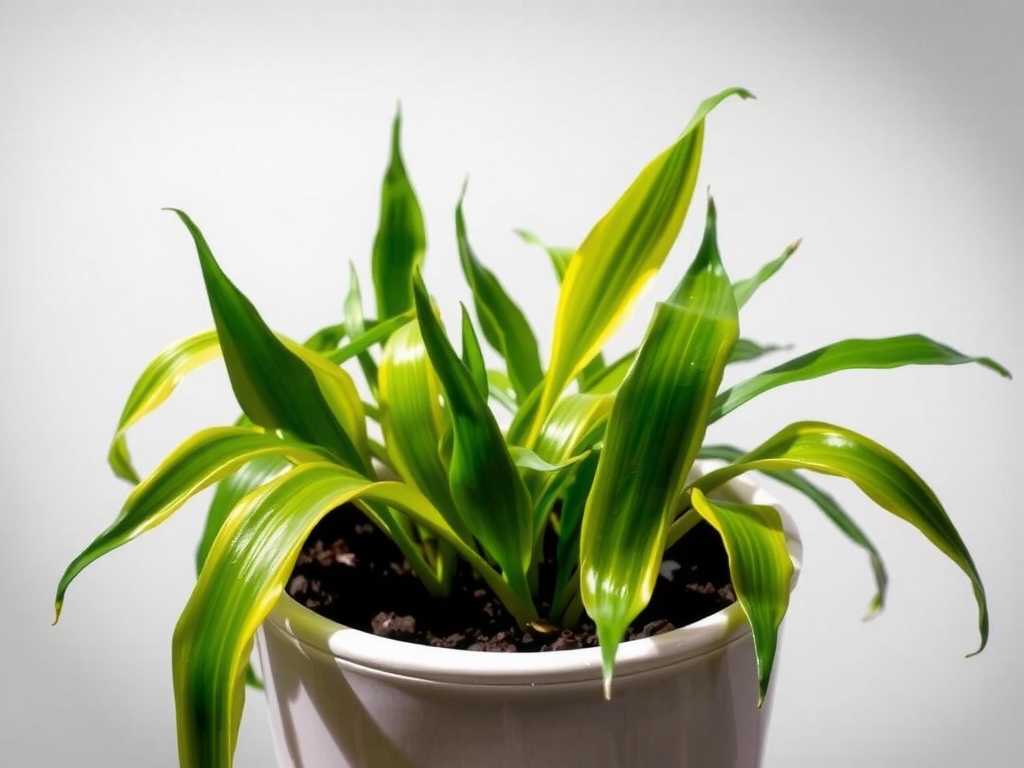
- The Deficiency Test: Gently squeeze a leaf between your fingers. If it feels less firm, slightly spongy, or bends more easily than usual, it’s starting to use its internal water reserves. In a severely underwatered snake plant, the leaves may become wrinkled or develop longitudinal creases, feeling noticeably thin and leathery.
- My Two-Week Experiment: I deliberately withheld water from a mature snake plant for two weeks in moderate light. By day 10, the firmness had noticeably decreased. By day 14, the older leaves showed slight wrinkling. This physical change is a slower but very telling sign.
3. Leaf Color and Appearance: Reading the Visual Cues
While dramatic yellowing often points to overwatering, subtle color shifts can indicate thirst.
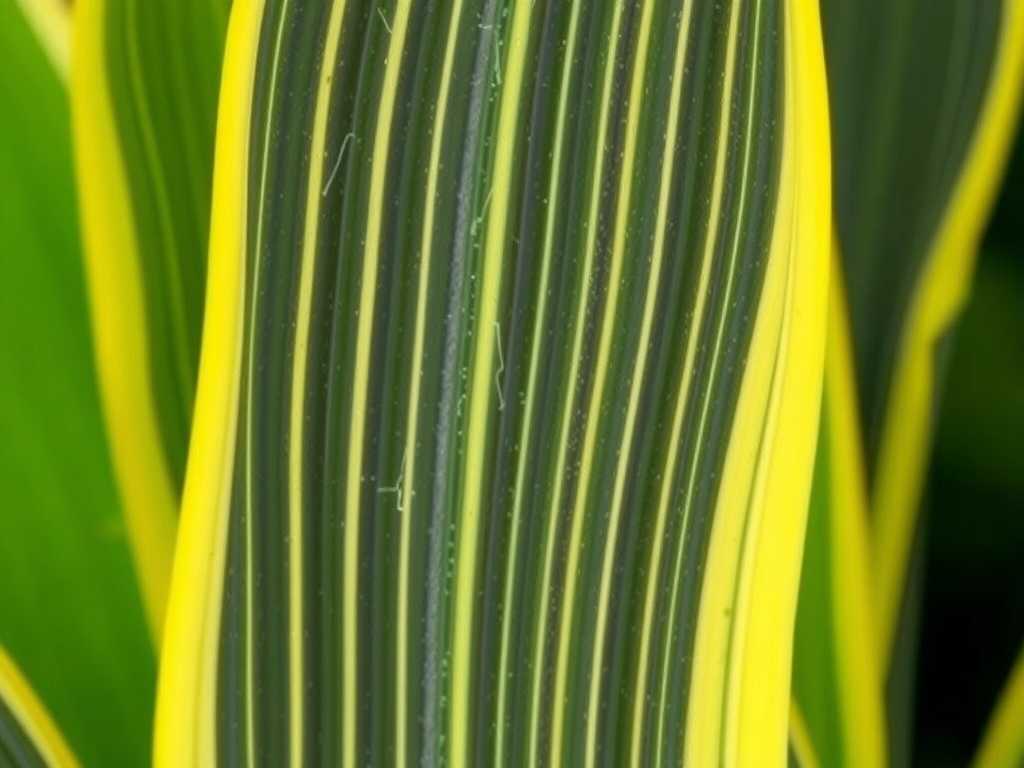
- Key Signs: The rich, vibrant green may begin to look dull or faded. The leaves might lose their luster. In some cases, you might see the leaf edges begin to dry out, becoming thin, brown, and crispy—starting from the very tip and moving inward. This is different from the soft, mushy, yellow-brown spots of overwatering.
- Important Distinction: Always check for pests! Spider mites can also cause a stippled, dull appearance. I learned this the hard way, mistaking a pest problem for a watering issue. Isolate the plant and inspect the undersides of leaves closely.
4. Stunted Growth or Lack of New Pups
Snake plants are slow growers, but they do produce new shoots (called pups) when happy. A complete halt in growth during the active season (spring/summer) can be a sign of chronic underwatering. The plant is in conservation mode, directing all remaining resources to survival, not expansion. My consistently underwatered plant didn’t produce a single new pup for over a year until I corrected its care.
5. Pot Weight: The Lift Test
This became my favorite quick-check method. Get familiar with how your pot feels right after a thorough watering (heavy) and when the soil is completely dry (surprisingly light). Lifting the pot is a fast, non-invasive way to gauge moisture content. I practiced this with several of my plants until I could reliably tell the difference.
My Correct Watering Protocol: How to Rehydrate Properly
Diagnosing the problem is only half the battle. How you water is critical. Here’s my fail-safe method, developed after causing root rot with “little and often” watering.
- Confirm the Need: Use the deep soil check and leaf firmness test together.
- Water Thoroughly: Take the plant to the sink or bathtub. Water slowly and evenly over the soil surface until water flows freely out of the drainage holes. This ensures the entire root ball is moistened.
- Let it Drain Completely: This step is crucial. I let the pot sit in the sink for at least 30-60 minutes to drain all excess water. Never let the plant sit in a saucer of standing water.
- Return to its Spot: Only return the plant to its decorative cover pot once drainage has stopped.
The Result of My Adjusted Care: After adopting these judgment-based watering practices, the change in my previously struggling plant was remarkable. Within 3-4 weeks, the leaves regained their firmness and deep green color. Most excitingly, after the next growing season, it produced two healthy new pups—a clear sign it was no longer just surviving, but thriving.
Common Questions on Snake Plant Watering
How often should I water my snake plant? There is no single answer. In bright, warm conditions, it might be every 2-3 weeks in summer. In low light or cool temperatures, it could be every 6-8 weeks or longer in winter. Always let the plant’s condition and soil dryness guide you, not the calendar.
The leaves are turning brown and crispy at the tips. Is this underwatering? It can be, especially if combined with other signs like dry soil and flexible leaves. However, crispy tips can also be caused by low humidity, fluoride in tap water, or a minor salt buildup in the soil. If the plant is otherwise firm and the soil isn’t bone dry, try using filtered or distilled water for a few waterings.
I’m scared of overwatering. Is it better to underwater? While snake plants are more tolerant of drought than flood, chronic underwatering will stress the plant, stunt its growth, and make it susceptible to pests like spider mites. The goal is not to neglect the plant, but to water it deeply and infrequently based on its needs. Finding that balance is the secret to a truly resilient snake plant.
Learning to read your snake plant’s language transforms your care routine. By focusing on the key indicators—deep soil dryness, leaf firmness, and subtle visual changes—you move from following arbitrary rules to responding to your plant’s actual needs. It’s a shift from fear (“am I killing it?”) to confident understanding. The resilience of the snake plant is real, but it shines brightest when we provide thoughtful, informed care. Start with the deep finger test and the gentle squeeze; those two simple actions will tell you more than any schedule ever could.
发表评论