 admin
admin How to Prevent Low-Temperature Freezing Damage for Snake Plants in Winter: A Gardener's Survival Guide
I’ll admit it: I used to think my snake plants were invincible. They thrived on neglect, bounced back from underwatering, and seemed to laugh in the face of poor light. That is, until one harsh winter, I walked into my sunroom to find several of my favorite Sansevieria specimens with mushy, collapsed leaves. The heartbreak was real. I learned the hard way that while snake plants are tough, low-temperature freezing damage is their silent, cold-weather nemesis. If you’re worried about your snake plants turning to mush this winter, you’re not alone. This guide is born from my own trial, error, and a successful two-week rescue and prevention mission that saved my plant collection.
Understanding the Cold Enemy: Why Snake Plants Freeze
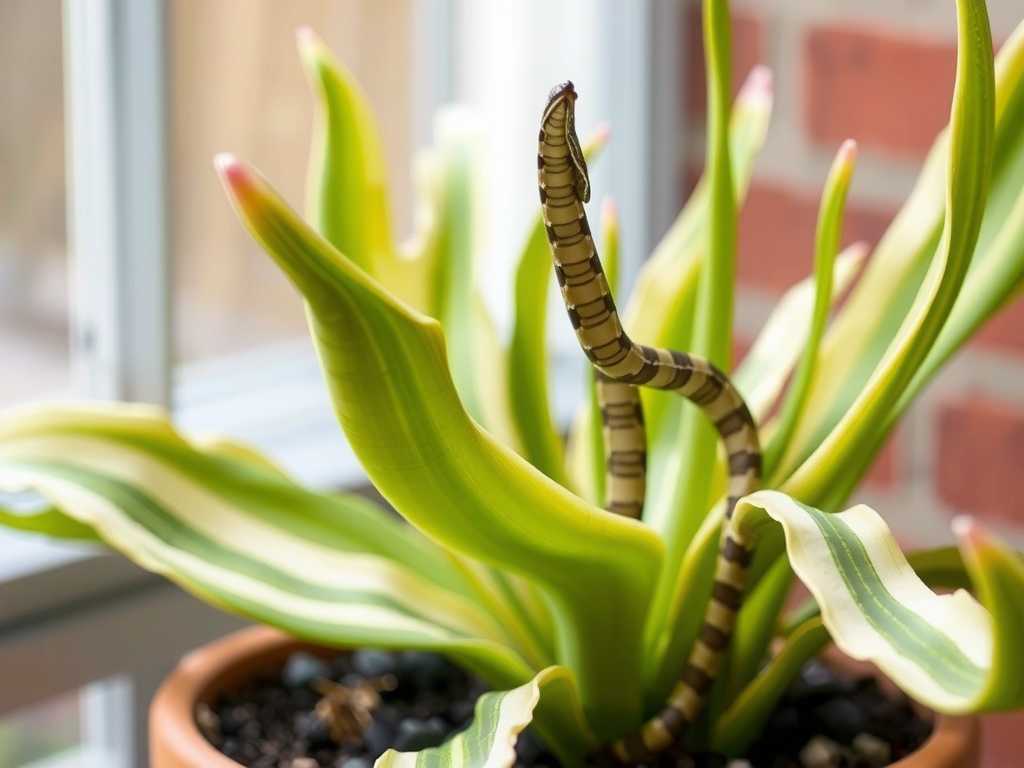
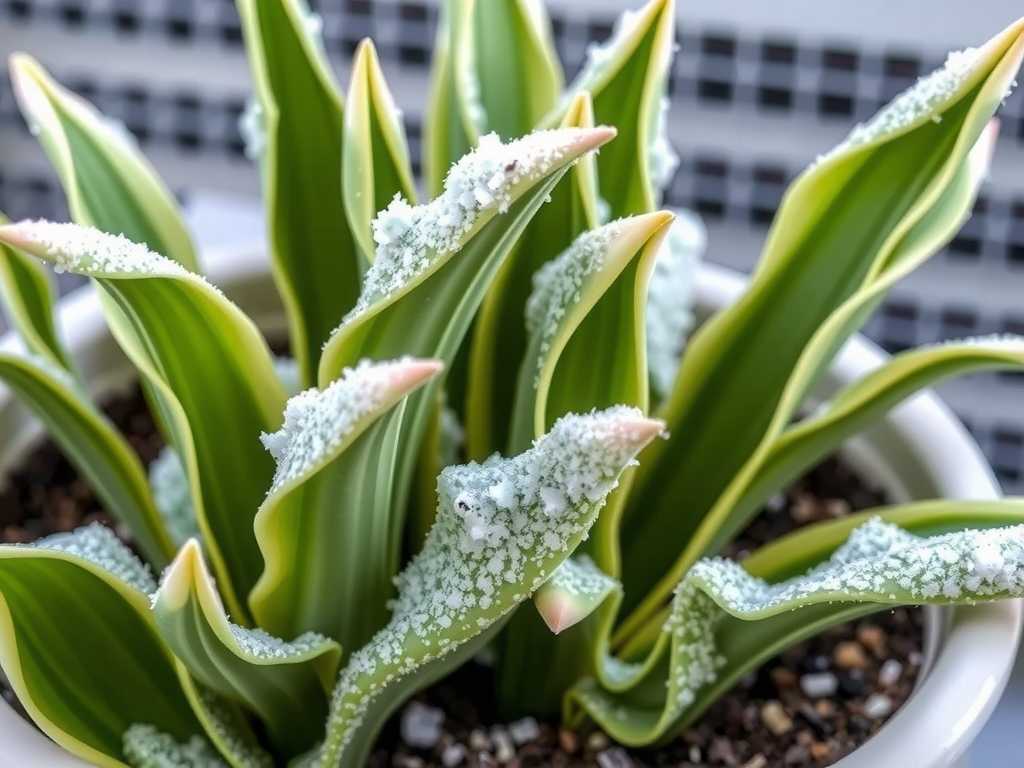
Snake plants, hailing from warm climates in West Africa, have zero tolerance for frost. Their cells are full of water, and when temperatures dip below 50°F (10°C) for extended periods, they become stressed. Dip below freezing, and the water inside their leaves actually freezes, forming ice crystals that rupture cell walls. This is the freezing damage prevention for snake plants in a nutshell: stopping that internal ice from forming. The damage often isn’t immediate; you might see soggy, water-soaked patches that later turn brown and mushy. According to the Royal Horticultural Society (RHS), tender perennials like Sansevieria are among the first to suffer when indoor temperatures fluctuate near cold windows or in drafty halls.
My 2-Week Winter Protection Protocol: A Step-by-Step Diary
After my initial loss, I devised a plan. I selected three snake plants in different locations—one near a drafty window, one in a cool interior room, and one that had already shown mild chill stress—for close observation. Here’s exactly what I did.
Week 1: Assessment and Immediate Action
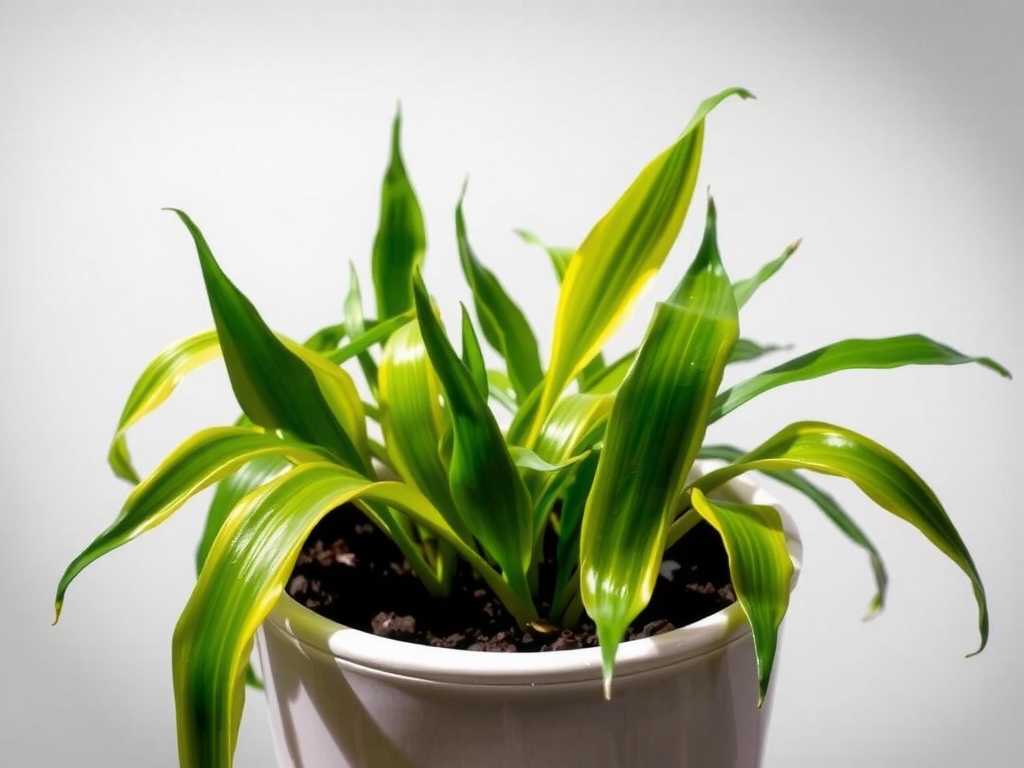
Day 1-2: The Triage and Move First, I gently inspected every plant. For the one with early signs of damage (slightly soft, bending leaves), I moved it immediately to the warmest, brightest spot in my house—a south-facing room away from any vents or doors. I stopped watering completely. Wet soil in cold conditions is a death sentence, as it reduces root function and increases chill. The "Gotcha" Moment: I almost made a critical mistake. I initially placed the plant near a heating vent for warmth. I quickly remembered from an American Horticultural Society (AHA) article that sudden, direct heat is just as stressful as cold. It can desiccate leaves rapidly. I moved it to a spot with consistent, ambient warmth instead.
Day 3-5: The Insulation Strategy For the plant by the drafty window, I created a buffer. I moved it a good 2-3 feet away from the glass. At night, I started placing a thick curtain between the plant and the window. For pots on cold floors, I used simple pot feet or a folded towel to insulate them from the chilly tile. Observation: The leaves of the window plant felt cooler to the touch than the others in the morning. This simple move of creating distance made a measurable difference within 48 hours.
Day 6-7: The Watering Discipline This was the hardest part. My instinct was to "care" for them with water. I fought it. I used a moisture meter to confirm the soil was bone dry deep into the pot. The RHS emphasizes that dormant or chilled plants need very little water, as they aren’t growing. Overwatering is the fastest way to induce root rot when coupled with cold.
Week 2: Monitoring and Adjustment
Day 8-10: Signs of Stability The mildly damaged plant’s soft spots had not spread. This was a major win—it meant the condition was contained. The plant in the interior room showed no change (which was good). The formerly drafty-window plant now had leaves that felt the same temperature as the room air.
Day 11-14: The Humidity Check Winter air indoors is dry. While snake plants don’t need tropical humidity, extremely dry air can stress them further. I grouped my plants together slightly, which creates a microclimate of slightly higher humidity. I avoided misting, as wet leaves in cold air can promote fungal issues.
Key Tactics for Winter Snake Plant Care
Based on my two-week experiment, here are the non-negotiable rules I now live by to ensure winter care for Sansevieria successfully.
Perfect Your Plant's Position Location is everything. Identify cold spots in your home: single-pane windows, exterior doors, uninsulated walls. Keep snake plants well away from these. A constant room temperature between 60-75°F (15-24°C) is ideal. Remember, warmth at the root zone is as crucial as air temperature.
Master the Art of Dry Winter Watering This is the most critical skill. From late fall to early spring, you must radically reduce watering. For most of my snake plants in winter, this means watering only once every 4-8 weeks, if that. Always check the soil moisture 2-3 inches down. When in doubt, wait another week. A plant’s need for protection from cold for indoor plants is directly tied to keeping its roots dry and dormant.
Draft-Proof and Buffer Your Greens Use weather stripping on drafty windows. Employ thermal curtains. Even a simple sheet of bubble wrap placed between the pot and a cold window sill can act as a great insulator. For plants you can’t move, a decorative screen can break the direct path of cold air.
What If Damage Occurs? The Rescue Operation
Despite our best efforts, damage can happen. Here’s what I did with my initially damaged leaf.
- Act Immediately: Move the plant to a warm, stable environment.
- Assess the Extent: If only a leaf tip or a small section is mushy, you can cut it off. Using a sterile, sharp knife, cut well above the damaged tissue into healthy, firm flesh. The leaf will callus over.
- The Hard Decision: If the entire leaf is collapsed and mushy at the base, it’s best to remove the whole leaf at the soil line to prevent rot from spreading to the rhizome (root system).
- Do Not Fertilize: The plant is under stress and focusing on survival, not growth. Fertilizing can burn roots and add further stress.
- Patience is Key: The plant may not show new growth for months. Your job is to keep it stable, warm, and barely watered until spring signals it’s time to grow again.
My snake plant’s leaves are bending or folding lengthwise. Is this cold damage? Not necessarily. This is often a sign of thirst or extreme light deficiency. Cold damage typically presents as soft, mushy, or water-soaked patches. Check your soil moisture and light conditions first before assuming it’s the cold.
Can I put my snake plant back in a cold spot once winter is over? Snake plants prefer consistent warmth. While they can tolerate cooler nights in the spring and fall, it’s best to avoid subjecting them to prolonged temperatures below 50°F (10°C) at any time. Find them a stable, permanent home where they can thrive year-round.
How do I know if the cold damage has killed the roots? Gently remove the plant from its pot and inspect the rhizome (the thick, underground stem) and roots. Healthy roots are firm and may be orange or white. If the rhizome is mushy, brown, and foul-smelling, the plant may not be salvageable. However, if there are any firm, healthy sections of rhizome with roots, you can cut away all the rot, let it callus for a day, and repot in fresh, dry succulent mix.
Keeping your snake plant safe from winter’s chill is less about complex gardening and more about mindful stewardship. It’s a practice of restraint—watering less, moving with purpose, and observing quietly. By understanding their need for warm, dry feet and a draft-free space, you’re not just preventing freezing injury in houseplants; you’re setting the stage for vigorous, resilient growth when the warmer days return. Trust the process, learn from the subtle signs your plant gives you, and you’ll enjoy these architectural beauties for many winters to come.
发表评论