 admin
admin How to Solve Leaf Blight Infections on Snake Plants: Step-by-Step Fixes
Discovering unsightly, discolored patches on your beloved snake plant can be alarming. Leaf blight, a common but serious fungal or bacterial disease, threatens the iconic, upright beauty of these popular houseplants. If left unchecked, it can spread rapidly, causing leaves to rot and collapse. This guide provides clear, actionable steps to not only treat an active infection but also to prevent it from returning, ensuring your snake plant thrives for years to come.
Understanding Leaf Blight on Snake Plants
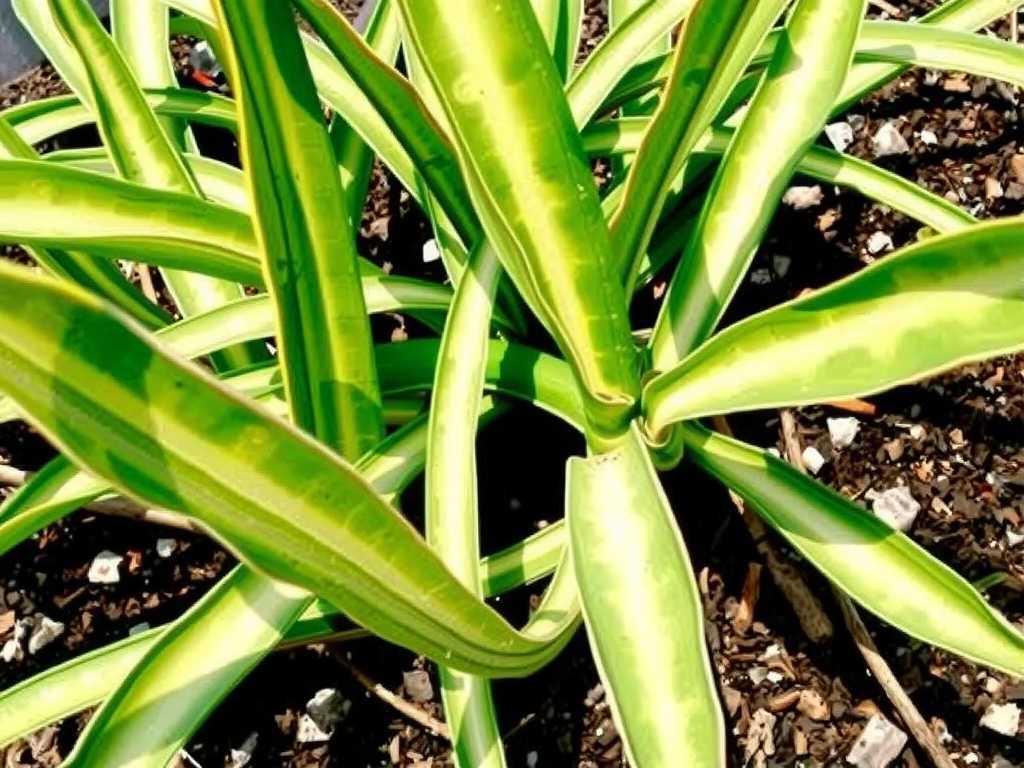
Leaf blight typically manifests as water-soaked, brown, or black spots on the leaves. These lesions often start small but can enlarge and merge, sometimes surrounded by a yellow halo. In severe cases, the entire leaf may become mushy and wilt. The primary culprits are often overwatering and poor air circulation, which create a damp environment perfect for pathogens like the fungi Fusarium or bacteria like Erwinia to flourish.
Immediate Action: Diagnose and Isolate
Your first move upon spotting suspicious lesions is critical. Correctly identifying the problem is half the battle.
First, carefully examine the plant. True leaf blight spots are often irregular and can feel slightly sunken or soft. Rule out other issues like physical damage, sunburn (which causes dry, crispy patches), or simple overwatering without disease (generalized yellowing, soft base).
Once you suspect blight, immediately isolate the infected snake plant. Move it away from all other houseplants. This quarantine step is non-negotiable to prevent the potential spread of spores or bacteria to your healthy plant collection. Place it in an area with good light and airflow while you prepare for treatment.
Step-by-Step Treatment Protocol
Now, let’s move to the hands-on healing process. Gather clean, sharp scissors or pruning shears, rubbing alcohol, a clean cloth, and your chosen fungicide.
Step 1: Prune the Infected Leaves Sterilize your cutting tools with rubbing alcohol to avoid transmitting the disease. Carefully cut away all severely affected leaves at the soil line. For leaves with minor spots, you can trim off just the infected portion, cutting into a small margin of healthy tissue. Dispose of these leaves immediately in the trash—do not compost them.
Step 2: Treat the Remaining Foliage After pruning, you must address any latent pathogens on the remaining healthy-looking leaves. Dr. Jane Greenfield, a plant pathologist, advises, "A gentle yet effective post-pruning treatment is crucial. For fungal issues, a solution of neem oil or a copper-based fungicide applied as a foliar spray can suppress further development." Wipe down both sides of each remaining leaf with a soft cloth dipped in a diluted neem oil solution (follow product instructions) or a mild soap and water mix. This removes dust and potential spores.
Step 3: Address the Root Zone The infection often starts in overly wet soil. Gently remove the plant from its pot. Shake off the old soil and inspect the roots. Healthy snake plant roots are firm and orange-tinted. Cut away any black, mushy, or foul-smelling roots with your sterilized shears. This is a vital step in saving the plant.
Step 4: Repot with Fresh, Well-Draining Soil Discard all the old potting mix. Choose a brand-new pot with excellent drainage holes—terra cotta is ideal as it breathes. Fill it with a fresh, fast-draining succulent or cactus mix. You can further improve drainage by adding extra perlite or pumice. Repot your snake plant, ensuring the root ball sits comfortably without being buried too deeply.

Preventing Future Leaf Blight Outbreaks
Treatment is only part of the solution. Prevention is the ultimate key to a healthy snake plant. Adopt these cultural practices to create an environment where blight cannot gain a foothold.
Master the Watering Technique Overwatering is the number one cause of snake plant problems. These plants are drought-tolerant succulents. Always allow the soil to dry out completely between waterings. In winter, you may only need to water once every 6-8 weeks. When you do water, water thoroughly until it runs from the drainage holes, then empty the saucer. Never let the plant sit in standing water.
Optimize Light and Airflow Place your snake plant in bright, indirect light. While they tolerate low light, better light promotes stronger growth and helps soil dry more efficiently. Ensure there is some air movement around the plant; a stagnant, humid corner is a disease haven. A gentle fan in the room can help immensely.
Choose the Right Soil and Pot Always use a well-draining potting medium. Standard indoor potting soil retains too much moisture. A succulent blend is specifically formulated to prevent waterlogging. As mentioned, the pot must have drainage holes. This simple factor is a major line of defense against root and leaf diseases.
Maintain Plant Hygiene Keep the leaves dust-free by wiping them periodically. This allows the plant to breathe and photosynthesize efficiently. Avoid misting snake plants, as wet leaves can invite fungal spores to germinate. When watering, try to apply water directly to the soil, not the foliage.
What are the first signs of leaf blight I should look for? The earliest signs are small, dark brown or black spots on the leaves, often starting near the soil line or on lower leaves. They may appear water-soaked and can quickly develop a yellow border. Catching it at this stage makes treatment much easier.
Can I use a home remedy instead of a commercial fungicide? For very early, minor cases, a solution of one part 3% hydrogen peroxide to nine parts water sprayed on the leaves can help. A baking soda solution (1 teaspoon per quart of water with a drop of soap) may also alter leaf pH to inhibit fungal growth. However, for confirmed or advanced infections, a commercial fungicide labeled for ornamental plants is more reliable.
My snake plant lost many leaves to blight. Will it recover? Yes, snake plants are remarkably resilient. If you have a healthy root system and at least some leaf tissue remaining, the plant will recover with proper care. It may direct energy into producing new pups (baby plants) from the rhizome. Be patient, maintain optimal care, and you should see new growth in the coming months.
Successfully managing leaf blight involves swift isolation, careful pruning of diseased tissue, and a fresh start in appropriate soil. The long-term health of your snake plant hinges on preventative care—mastering a disciplined watering routine, providing ample light and airflow, and using a pot and soil mix that prioritizes drainage. By understanding these needs, you transform from a reactive plant owner to a proactive one, creating an environment where your snake plant doesn’t just survive, but confidently thrives.

发表评论