 admin
admin How to Fix Dry and Black Leaf Tips on Snake Plants: Key Solutions
You’ve chosen a snake plant for its legendary toughness, only to find its elegant leaves marred by unsightly dry, brown, or black tips. This common frustration can leave any plant owner puzzled. Why is a plant famed for being nearly indestructible showing such clear signs of distress? The good news is that these crispy leaf tips are your plant’s way of communicating. They are a symptom, not a death sentence. With the right diagnosis and simple adjustments, you can restore your snake plant to health and prevent the problem from recurring. This guide will walk you through the precise steps to identify the cause and implement the key solutions for fixing dry and black leaf tips on snake plants.
Understanding Why Snake Plant Leaf Tips Turn Dry and Black
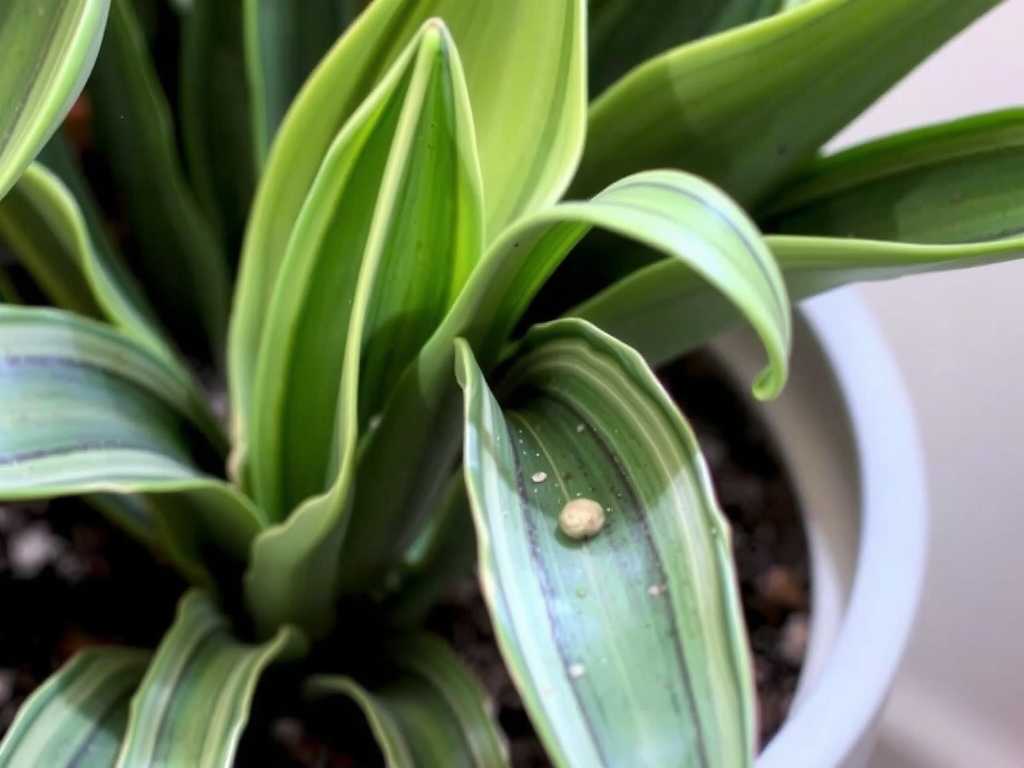
Before you can fix the problem, you need to understand what your plant is telling you. Snake plants (Sansevieria) are succulents, storing water in their thick, fleshy leaves. Their issues almost always stem from their care routine mimicking a tropical plant rather than the drought-tolerant survivor they are. The browning or blackening of tips is typically a reaction to stress, often related to moisture—but not always in the way you might think.
The primary culprits are often linked to watering habits, environmental factors, and soil conditions. By learning to interpret the clues, such as whether the blackening is crispy or mushy, or if it’s isolated to the tips or spreading, you can pinpoint the exact issue.
Diagnosing the Root Cause: A Step-by-Step Check
Is the Damage Dry/Crispy or Soft/Mushy? This is your first critical clue. Dry, crispy brown tips usually point to underwatering, low humidity, or chemical burn. Soft, mushy, dark brown or black tips, especially if the discoloration is spreading down the leaf, are a classic sign of overwatering and potential root rot.
Check Your Watering Routine and Soil Moisture Do you water on a strict schedule or only when the soil is dry? Snake plants demand the "soak and dry" method. Insert your finger or a moisture meter into the soil. If the top 2-3 inches of soil are still damp, hold off on watering. Consistently wet soil is a major red flag.
Examine Light and Environmental Conditions Is your plant in direct, hot sunlight? While tolerant of low light, intense direct sun can scorch leaves, causing bleached, crispy patches and tips. Conversely, is it near a heat vent, fireplace, or drafty window? Extreme temperature fluctuations and dry air from heating systems can dehydrate leaf tips.
Investigate Your Water Quality and Fertilizer Use Snake plants are sensitive to chemicals like fluoride and chlorine found in tap water, which can accumulate in the leaf tips and cause browning. Similarly, over-fertilization leads to a buildup of salts in the soil, which "burns" the roots and manifests as brown, crispy leaf margins and tips.
Key Solution 1: Mastering the Perfect Watering Technique
Overwatering is the single most common killer of snake plants, often leading to black leaf tips as an early warning. The goal is to replicate the occasional, heavy rains of their native habitat.
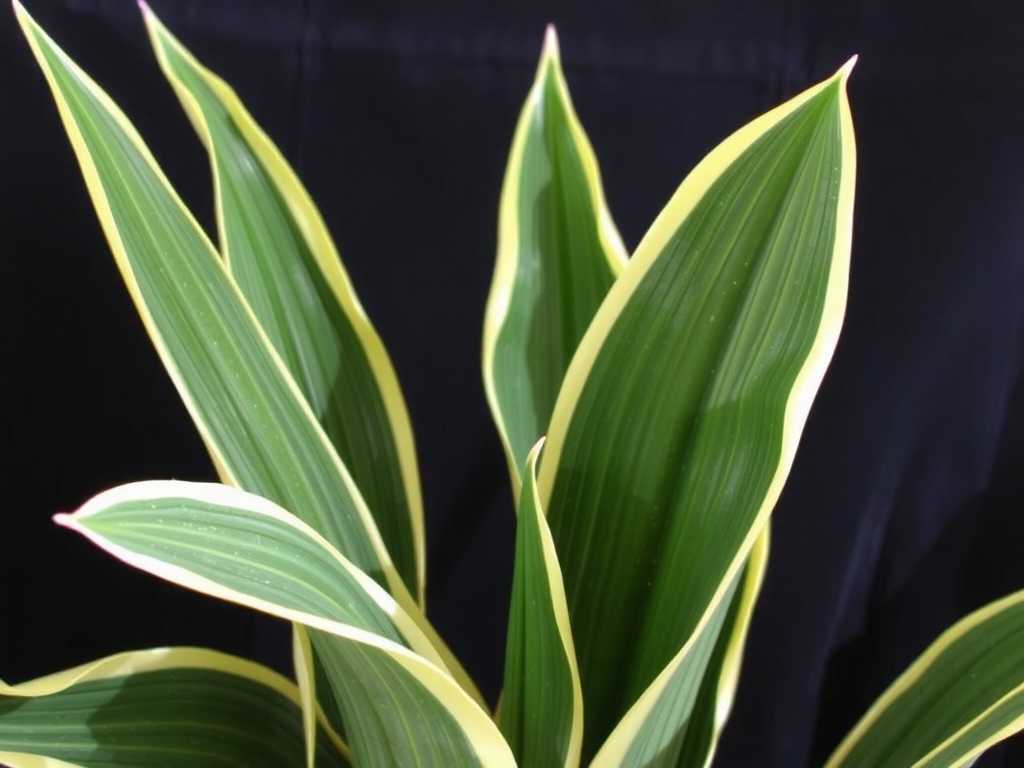
The Golden Rule: Soak and Dry Water your snake plant thoroughly until water runs freely out of the drainage holes. This ensures the entire root ball is hydrated. Then, let the soil dry out almost completely. For most home environments, this means watering every 3-6 weeks, depending on pot size, light, and season. Always err on the side of dryness.
Use the Right Tools Ditch the watering schedule. Use your finger as a probe. If the soil is dry several inches down, it’s time to water. A wooden chopstick or a simple moisture meter can provide even more accuracy. Ensure your pot has at least one drainage hole to let excess water escape.
Seasonal Adjustments Snake plants go semi-dormant in fall and winter. Their water needs drop significantly. You may only need to water once every 6-8 weeks during this period. Overwatering in low-light winter months is a fast track to root rot.
Key Solution 2: Optimizing Potting Mix and Container
Even with perfect watering, the wrong soil or pot can sabotage your efforts. The ideal setup promotes quick drainage and prevents water from pooling around the roots.
Choosing a Well-Draining Soil Mix Standard potting soil retains too much moisture. Opt for a cactus or succulent potting mix, which is formulated to drain quickly. For even better results, create your own blend by mixing two parts of a standard potting mix with one part perlite or coarse sand. This creates the gritty, airy structure snake plant roots crave.
Selecting the Appropriate Pot Terracotta or clay pots are excellent choices because they are porous, allowing soil to dry from the sides as well as the top. Plastic or glazed ceramic pots retain moisture longer. Whichever you choose, a drainage hole is non-negotiable. The pot should also be sized appropriately—a pot only 1-2 inches larger in diameter than the root ball is ideal. Too large a pot holds excess soil that stays wet for too long.
When and How to Repot If you suspect root rot or if your plant is severely pot-bound, repotting is necessary. Gently remove the plant, shake off the old soil, and inspect the roots. Healthy roots are firm and orange or white. Rotten roots are mushy, brown, or black and may smell foul. Prune away all affected roots with sterile shears. Repot in fresh, dry, well-draining mix and do not water for at least a week to allow roots to heal.
Key Solution 3: Correcting Environmental and Nutritional Stress
Sometimes, the issue isn’t the water you give, but what’s in it, or the environment surrounding the leaf.
Addressing Water Quality and Fertilizer Burn To avoid chemical buildup, use filtered water, rainwater, or simply leave tap water out in an open container for 24 hours to allow chlorine and fluoride to dissipate. When fertilizing, less is more. Feed only during the active growing season (spring and summer) with a balanced, diluted liquid fertilizer at half strength, no more than once a month. Flush the soil every few months by running plenty of water through the pot to leach out accumulated salts.
Providing Ideal Light and Humidity Place your snake plant in bright, indirect light for best growth. It will tolerate lower light, but growth will slow. Avoid prolonged exposure to hot, direct afternoon sun which can scorch leaves. While snake plants don’t require high humidity, extremely dry air from heating systems can contribute to crispy tips. Grouping plants together or using a pebble tray with water can provide a slight humidity boost. Keep plants away from cold drafts and direct blasts from air conditioners or heaters.
Treating and Preventing Pest Issues Though not a primary cause of black tips, stress from pests like spider mites can weaken a plant. These tiny pests suck sap, potentially causing localized damage. Wipe leaves down with a damp cloth periodically and inspect for fine webbing. Treat infestations promptly with insecticidal soap or neem oil.
FAQ
Can I trim off the brown tips? Yes, you can for aesthetic reasons. Use clean, sharp scissors and cut straight across the leaf, following its natural shape. Do not cut into the healthy green tissue, as this can create an open wound. Simply remove the damaged brown part. Trimming does not fix the underlying problem, so ensure you have addressed the care issue first.
My snake plant has mushy black spots on the leaves, not just the tips. What should I do? This indicates advanced overwatering and probable root rot. Immediately remove the plant from its pot. Cut away all affected leaves and mushy, rotten roots. Repot the remaining healthy plant with healthy roots into fresh, dry cactus mix. Do not water it for at least 7-10 days to allow the roots to callous over and recover.
Is it normal for older, lower leaves to turn brown and die? Occasionally, yes. As a snake plant grows, it’s natural for the oldest, outer leaves to yellow and slowly brown as the plant redirects energy to new growth. If this is happening to one or two leaves at a time and the rest of the plant looks vigorous, it’s likely a normal part of the growth cycle. Simply cut the leaf off at the soil line.
Dry and black leaf tips on your snake plant are a fixable issue. By shifting your care approach to align with the plant’s succulent nature—prioritizing infrequent but deep watering, ensuring fast-draining soil in a proper pot, and protecting it from chemical and environmental extremes—you can stop the damage. The existing crispy tips may remain, but with these consistent corrections, your plant will push out new, healthy, vibrant growth, restoring its striking architectural beauty.
发表评论