 admin
admin How to Pick the Best Spring and Autumn Time for Snake Plant Cuttings
You’ve decided to propagate your snake plant. You have your shears ready and a healthy mother plant in sight. But then, doubt creeps in. Is now the right time? If you cut today, will your precious cuttings thrive or simply struggle to survive? This uncertainty is the single biggest hurdle for many plant enthusiasts. Choosing the wrong season can lead to slow rooting, rot, or complete failure, wasting your effort and potentially harming your parent plant. The secret to consistent success lies not in a green thumb, but in timing. This guide will demystify the process, showing you precisely how to pick the best spring and autumn time for snake plant cuttings to ensure vigorous, healthy new growth.
Understanding the Snake Plant’s Growth Cycle
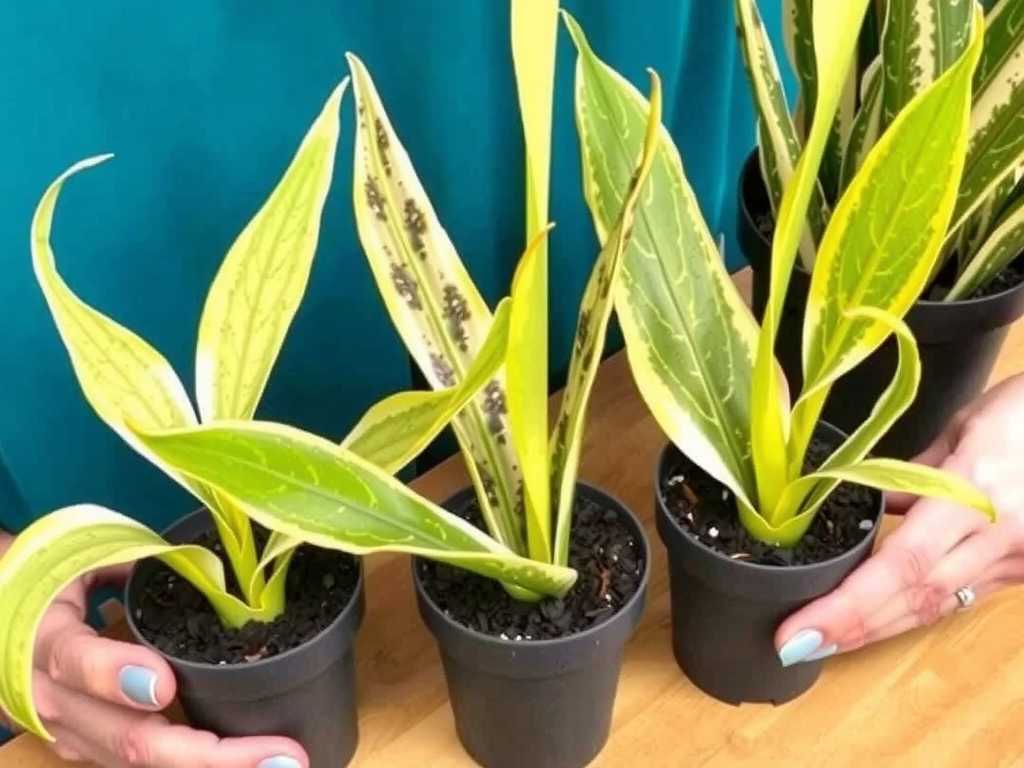
Snake plants, or Sansevieria, are celebrated for their resilience. However, even the toughest plants have active and dormant phases. Their growth is directly influenced by light and temperature.
During the warm, bright days of spring and summer, your snake plant is in its active growth phase. It’s photosynthesizing efficiently, producing new energy, and expanding its root system. This internal engine is primed for healing and creating new life, making it the ideal window for propagation.
Conversely, winter brings a period of dormancy. With shorter days and cooler temperatures, growth slows dramatically. The plant conserves energy. A cutting taken during this time lacks the internal resources to push out new roots quickly, leaving it vulnerable to drying out or succumbing to soil-borne fungi while it sits idle.
Why Spring and Autumn Are the Golden Windows
Propagation is a form of minor surgery. For a clean recovery and new growth, the plant needs optimal conditions. Spring and early to mid-autumn provide this perfect balance.
Spring: The Season of New Beginnings As daylight increases and temperatures consistently stay above 60°F (15°C), your snake plant wakes up. This surge of natural energy is your greatest ally. Cuttings taken in spring benefit from:
- Faster Root Development: Ample light and warmth stimulate rapid cell division, leading to a robust root system in weeks.
- Higher Success Rate: The plant’s natural vigor reduces the risk of failure from rot or desiccation.
- A Full Growing Season Ahead: A spring-established cutting has the entire summer to grow into a substantial new plant before winter dormancy.
Autumn: The Second Chance Early to mid-autumn, before temperatures drop significantly, offers a second prime opportunity. The summer’s growth has stored energy in the leaves. The heat of summer has passed, but the soil is still warm. This combination is excellent because:
- Moderate Temperatures Reduce Stress: The intense heat of summer can sometimes stress fresh cuttings. Autumn’s milder warmth is gentler.
- Active Roots Before Dormancy: A cutting propagated in early autumn can establish enough roots to survive the winter quietly, ready to explode with growth the following spring.
- Ideal for Water Propagation: Many experts note that slightly cooler water temperatures in autumn can actually slow algae growth in water propagation vessels, keeping the environment cleaner for developing roots.
The precise timing within these seasons matters. The goal is to avoid extremes.
The Ideal Spring Window Wait until the threat of frost has completely passed and nighttime temperatures are reliably above 55°F (13°C). This is typically late spring for many regions. Look for signs of new growth on your mother plant—a fresh, emerging leaf is a clear signal it’s “go time.”
The Ideal Autumn Window Plan your propagation for late summer to mid-autumn. The critical rule is to allow at least 6-8 weeks before the first expected frost. This gives the cutting critical time to initiate roots and settle in. If you live in a climate with mild winters, your autumn window extends longer.
Step-by-Step: Taking Cuttings in the Optimal Season
Knowing when to propagate is half the battle. Pairing that timing with the correct technique guarantees success.
1. Selecting and Preparing the Mother Plant Choose a healthy, mature leaf from a pest-free plant. A floppy or discolored leaf will produce a weak cutting. Using a clean, sharp knife or scissors, cut the leaf horizontally. You can cut a single leaf into multiple 2- to 4-inch segments. Crucially, mark the bottom of each cutting. The end closest to the soil must go into the propagation medium, as roots will only form from this oriented end.
2. Choosing Your Propagation Method
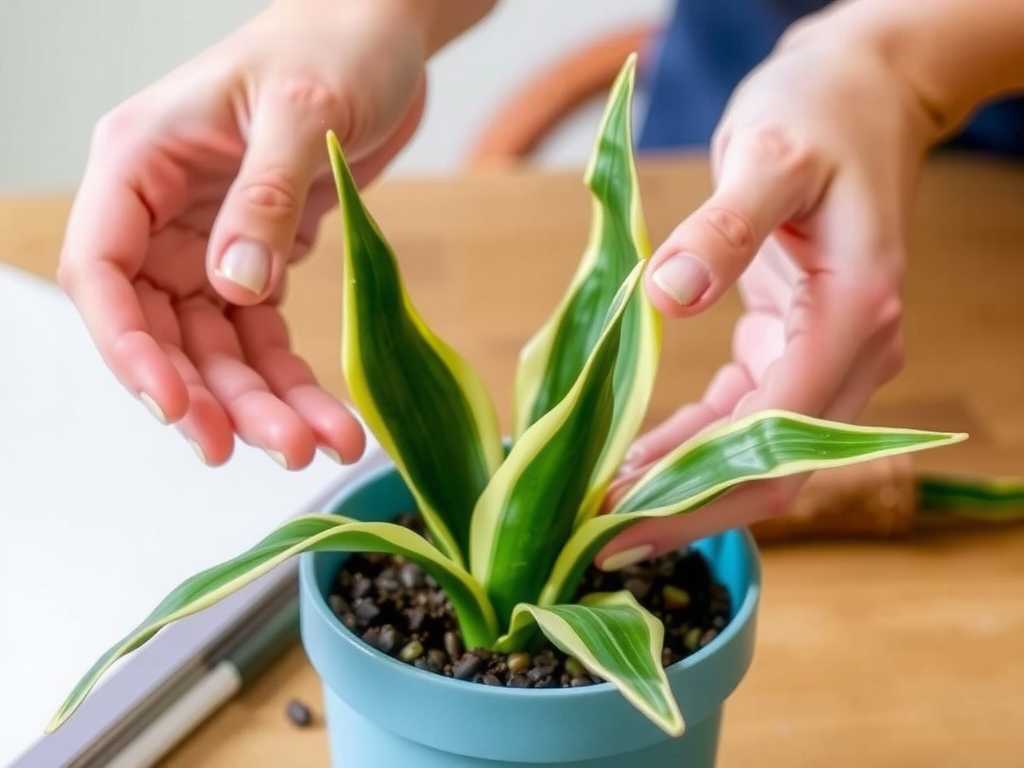
- Water Propagation: Place the bottom of the cutting in a jar of clean water, submerging only about an inch. Change the water weekly. This method allows you to watch root development, which is satisfying and educational.
- Soil Propagation: Let the cut end callous over for 1-2 days to form a dry seal. Then, insert it about an inch deep into a well-draining succulent or cactus mix. Water lightly initially, then only when the soil is completely dry.
3. Post-Cutting Care for Success Place your cuttings in bright, indirect light. Direct sun can scorch them. Maintain a warm environment, ideally between 65-75°F (18-24°C). For soil propagations, practice “neglect with care”—resist the urge to overwater. The most common cause of failure is root rot from soggy soil.
Signs Your Seasonal Timing Was Perfect
How do you know you picked the best spring or autumn time for your snake plant cuttings? Look for these positive indicators:
- Root Appearance: In water, you’ll see white, sturdy roots emerging from the marked bottom within 3-5 weeks in optimal seasons. In soil, gentle resistance when you give the cutting a very slight tug indicates roots have formed (wait at least 4 weeks to test this).
- New Growth: The ultimate sign of success is a brand new “pup” or shoot emerging from the soil line (for soil propagation) or from the base of the cutting. This is the new snake plant forming and is a clear signal your timing and technique were spot on.
My cutting hasn’t rooted after a month. What went wrong? The most likely culprits are temperature and season. If you propagated in late autumn or winter, the plant is simply dormant. Be patient and wait for spring. Other causes include planting the cutting upside down, using a non-draining soil that caused rot, or not allowing the soil-cut end to callous before planting.
Can I propagate snake plant cuttings in summer? Yes, you can, especially if summer is mild. However, in very hot climates, the stress from extreme heat can sometimes hinder rooting. Spring and autumn generally provide a more consistently ideal temperature range. If propagating in summer, ensure cuttings are not in direct, scorching sunlight.
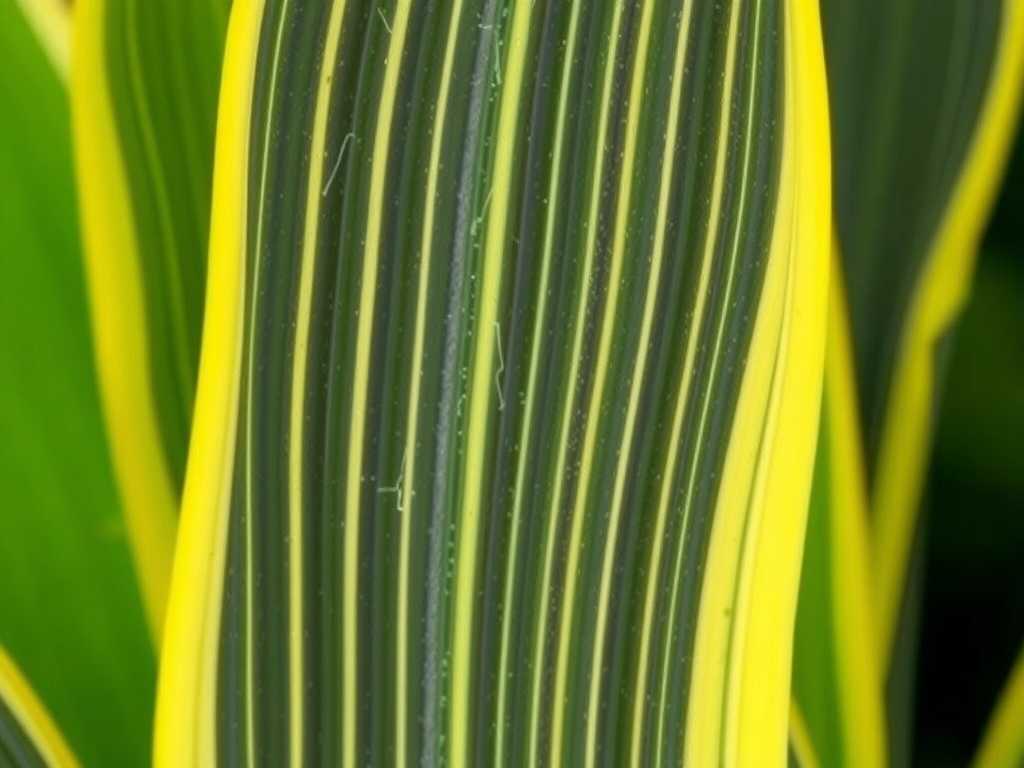
The leaf is rooting but isn’t producing any new shoots or pups. Why? This is normal, especially for cuttings taken from certain snake plant varieties like the popular ‘Laurentii’ (yellow-edged). These variegated cultivars may root successfully but only produce all-green pups from cuttings. To preserve the exact variegation, division of the root ball (rhizome) is the recommended method. Your rooted leaf will grow into a healthy, but potentially different-looking, plant.
Mastering the timing of snake plant propagation transforms it from a guessing game into a reliable practice. By aligning your efforts with the plant’s natural rhythms in spring and autumn, you provide the fundamental conditions for success. Remember the key signals: warm soil, reliable warmth, and active growth on the mother plant. With this knowledge, you can confidently make more plants to enjoy or share, turning one snake plant into a lifelong collection. The best time to start is when nature is ready to help.


发表评论