 admin
admin How to Choose the Best Seedling Environment for Snake Plant Cuttings
You’ve carefully taken a healthy cutting from your snake plant, full of hope for a new, independent plant. But weeks pass, and instead of robust roots, you’re met with a mushy, rotting stem or a cutting that simply refuses to grow. The disappointment is real. The secret to turning this scenario into a success story lies not just in the cutting itself, but in the environment you create for it. Choosing the best seedling environment for snake plant cuttings is the single most critical factor that separates thriving new plants from failed propagation attempts.
This guide will walk you through every element of that perfect environment. We’ll move beyond basic instructions and delve into the why, helping you understand the science behind the steps. By mastering these environmental controls, you can dramatically increase your propagation success rate and grow your snake plant collection with confidence.
Understanding the Snake Plant’s Natural Blueprint
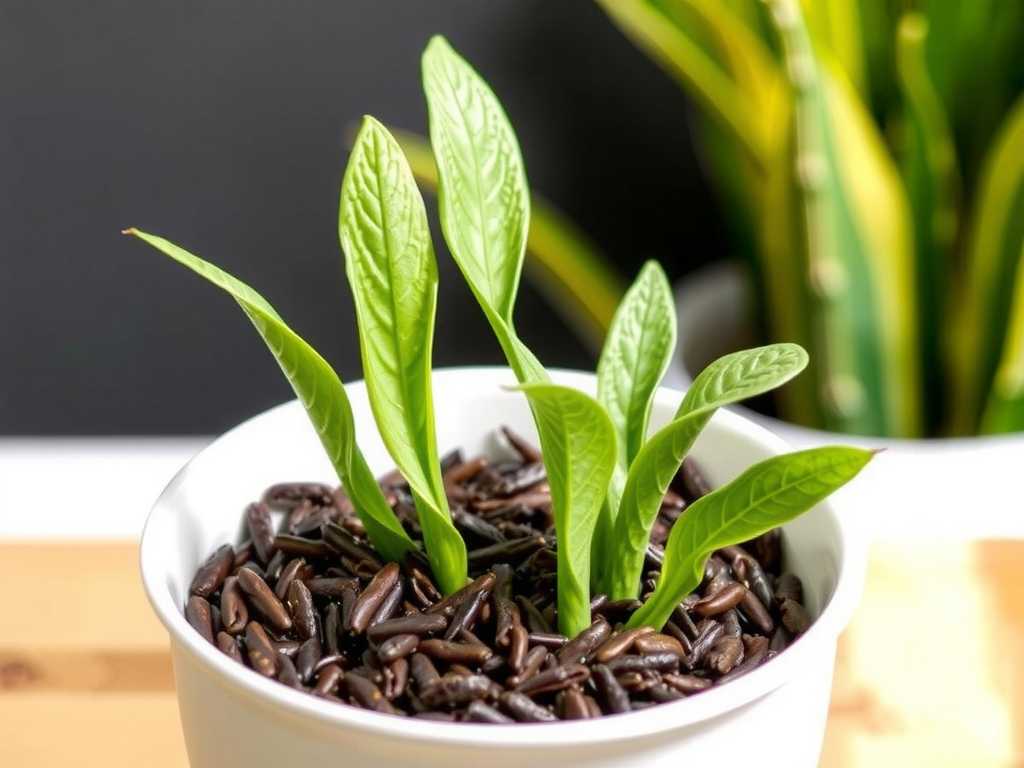
To create the ideal artificial environment, we must first look to nature. Snake plants (Sansevieria, now reclassified as Dracaena) are native to arid regions of West Africa. They thrive in rocky, well-draining soil and are adapted to survive drought and bright, indirect light. Their cuttings do not root in waterlogged, dark, or cold conditions. Therefore, the best seedling environment for your cuttings will mimic these natural preferences: bright indirect light, warmth, and excellent drainage to prevent rot. This principle of mimicking native habitats is a cornerstone of successful plant propagation, as noted by horticulturalists at the Royal Horticultural Society.
The Four Pillars of the Perfect Propagation Environment
Creating the right setting rests on balancing four key pillars: the growing medium, moisture, light, and temperature. Getting these elements to work in harmony is your goal.
Pillar 1: The Foundation – Selecting Your Growing Medium
The medium is what surrounds your cutting’s base and is responsible for providing support, moisture, and air. It is the cornerstone of your seedling environment.
-
Option A: Soilless Mixes (Often the Best Choice) A well-draining, soilless mix is frequently the top recommendation. A perfect blend might include:
- Perlite: Provides crucial aeration, preventing soil compaction and keeping oxygen available to the developing root cells.
- Coarse Sand or Grit: Enhances drainage dramatically, mimicking the gritty soil of its native habitat.
- A Small Amount of Cactus/Succulent Mix: Offers minimal organic matter and a structure that resists holding excess water. A 1:1:1 ratio of these components creates an outstanding, sterile medium that holds just enough moisture while allowing excess to flow away freely.
-
Option B: The Water Method Placing a snake plant cutting in a clear vessel of water is a popular and visually rewarding method. It allows you to watch roots develop. For this method, use filtered or distilled water to minimize mineral buildup and change the water weekly to keep it oxygenated and prevent bacterial growth. While effective, water-propagated roots are often more fragile and must adapt when later transplanted to soil.
-
What to Avoid: Heavy, moisture-retentive potting soils or garden soil. These stay wet for too long, creating an anaerobic environment that invites root rot pathogens, the arch-nemesis of snake plant cuttings.
Pillar 2: Mastering Moisture – The Delicate Balance
This is where most propagations fail. The cutting has no roots to absorb water, so its base must be kept slightly moist to encourage root formation, but never soggy.
- The Golden Rule: Think “damp sponge,” not “wet mud.” Before inserting your calloused cutting, moisten your chosen medium thoroughly, then let any excess water drain completely.
- Watering Technique: Do not water on a schedule. Instead, check the medium by touch. When the top inch feels completely dry, provide a gentle, thorough watering around the base of the cutting, allowing full drainage again. A spray bottle can be useful for lightly moistening the surface without overdoing it.
- Humidity’s Role: While snake plants don’t require tropical humidity, a slightly humid ambient environment can reduce moisture loss from the cutting’s leaves. Placing a clear plastic bag or a propagation dome loosely over the pot can create a mini-greenhouse effect. Ensure you remove it for an hour every few days to allow fresh air circulation and prevent mold.
Pillar 3: Providing the Right Light & Warmth
Light and temperature are the engines of growth, providing the energy and conditions needed for cellular activity and root development.
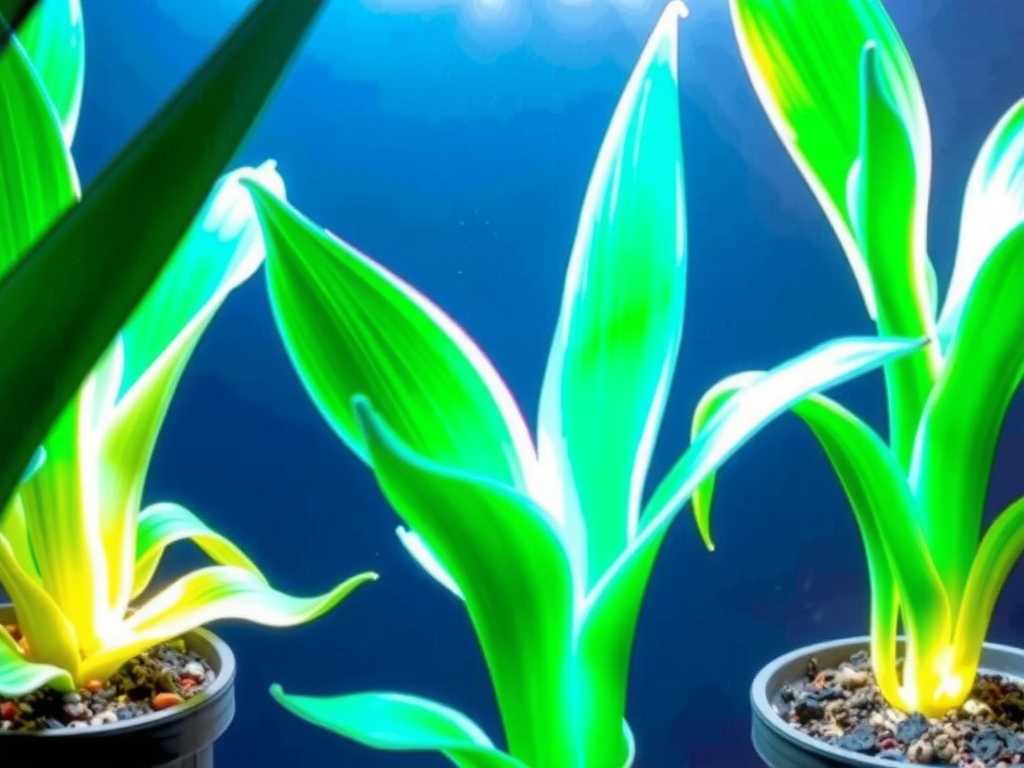
- Ideal Lighting Conditions: Bright, indirect light is non-negotiable. A north or east-facing windowsill is often perfect. Direct, hot sunlight—especially through a window—can scorch the tender cutting and cause excessive water loss. Conversely, a dark corner will starve the cutting of the energy it needs to create roots. If natural light is limited, a simple grow light placed a few feet away for 10-12 hours a day can be an excellent solution for maintaining consistent light levels.
- Optimal Temperature Range: Warmth encourages root growth. Aim to keep your cutting in an environment between 70°F and 85°F (21°C to 29°C). Avoid drafts, cold windowsills in winter, or places near air conditioning vents. Temperatures consistently below 60°F (15°C) can severely slow or halt the rooting process entirely.
Step-by-Step: Assembling Your Propagation Setup
Now, let’s put these pillars together into a practical, step-by-step guide for creating the best seedling environment.
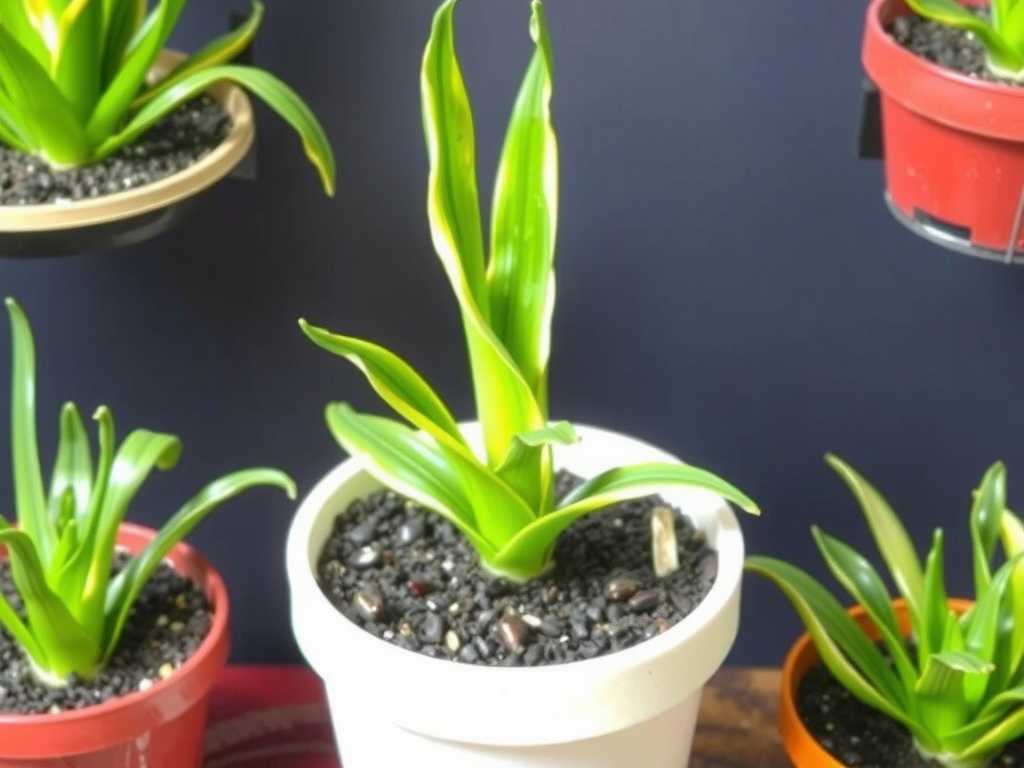
- Prepare Your Cutting: Start with a healthy leaf section, cut cleanly with a sterile tool. Allow the cut end to callous over for 1-3 days in a dry, airy spot. This seals the wound and is a critical first defense against rot.
- Choose and Prepare Your Container: Select a pot with ample drainage holes. A small, shallow pot is better than a deep one, as it prevents a large volume of wet medium surrounding the small cutting. Fill it with your pre-moistened, well-draining medium.
- Plant the Cutting: Insert the calloused end about 1-1.5 inches into the medium. Gently firm the medium around it for support. If using the water method, place the cutting so only the bottom inch is submerged, using props to keep it in place.
- Place in the Ideal Spot: Position your pot in its permanent spot—a warm location with bright, indirect light. Avoid moving it frequently, as stability reduces stress on the cutting.
- Implement the Maintenance Routine: Follow the moisture check routine, resist the urge to overwater, and ensure stable temperature and light. Patience is key; snake plant cuttings can take 4-8 weeks to show significant root growth.
Troubleshooting Common Environment-Related Issues
- Cutting is Mushy or Rotting: This is a clear sign of excess moisture and poor drainage. Immediately remove the cutting, cut away all soft, rotten tissue back to firm, healthy flesh, let it callous again, and restart in a fresher, drier, and more aerated medium.
- Cutting is Wrinkled or Shriveled: This indicates underwatering or excessive moisture loss. Check if the medium has become bone dry. Give it a thorough soak (with drainage) and consider increasing ambient humidity slightly with the bag method.
- No Growth After Several Weeks: Double-check your temperature and light. Is the spot too cold or too dark? Move it to a warmer, brighter location and ensure you are not disturbing the cutting by pulling it up to check for roots.
How long does it take for a snake plant cutting to root in the best conditions? Even in an ideal environment, snake plants are not fast propagators. You can expect to see the first signs of roots in about 4 to 6 weeks, with a solid root system developing in 2 to 3 months. Growth from a leaf cutting into a pup (a new baby plant) can take 6 months to a year. Patience is truly a virtue in snake plant propagation.
Can I use rooting hormone on my snake plant cutting? Yes, you can. While not strictly necessary, a rooting hormone powder or gel can stimulate faster root development and provide a mild antifungal benefit. After your cutting has calloused, dip the very end into the hormone before planting it in your medium. This can be especially helpful if you’ve had previous failures or are propagating a particularly valuable variety.
Is it better to propagate snake plant cuttings in water or soil? Both methods can be successful when their specific environmental needs are met. Water propagation is excellent for beginners as it’s simple and visual. Soil propagation, in a proper well-draining mix, often produces stronger roots adapted to soil from the start, eliminating the sometimes tricky transition from water to soil. For the highest long-term success rate and plant strength, many experienced growers prefer starting cuttings directly in a suitable soil mix.
Propagating snake plants is a rewarding exercise in patience and precision. By focusing your efforts on crafting the right seedling environment—prioritizing a well-draining medium, disciplined moisture management, consistent warmth, and bright indirect light—you provide the essential foundation for life. Remember, the cutting has everything it needs within; your role is simply to offer the stable, supportive conditions that allow it to express that potential. With this understanding, you can move from hopeful experimentation to confident propagation, filling your home with resilient, thriving snake plants grown by your own hand.
发表评论