 admin
admin How to Fix Cold Wind Damage on Snake Plants Near Windows
You've carefully placed your resilient snake plant by a sunny window, only to find its sturdy leaves turning soft, discolored, and mushy. That drafty window you thought provided perfect light has silently delivered a chilling blow. Cold wind damage is a common yet distressing issue for indoor gardeners, especially during colder months. Recognizing and addressing this damage promptly can mean the difference between a full recovery and losing your plant. This guide will walk you through exactly how to identify, treat, and prevent cold injury to ensure your snake plant thrives once more.
Understanding Cold Wind Damage on Snake Plants
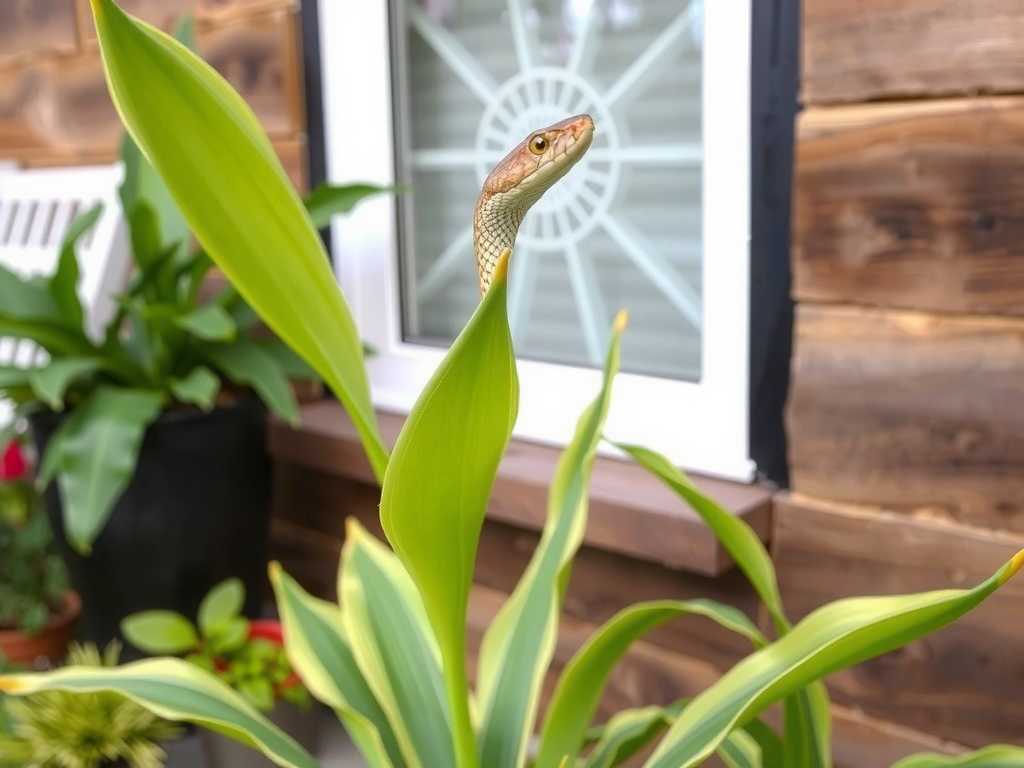
Snake plants, or Sansevieria, are celebrated for their toughness, but they originate from warm climates in West Africa. They have a fundamental vulnerability: cold. Temperatures below 50°F (10°C) are dangerous, and exposure to cold drafts can cause rapid damage.
Cold wind saps heat and moisture from leaves much faster than the plant can replace it. This leads to cell rupture inside the leaf tissue. The damage often appears hours or days after the exposure, starting as subtle changes before becoming severe.
Immediate Signs and Symptoms to Identify
Catching the signs early is crucial for effective intervention. Here’s what to look for:
- Soft, Mushy Patches: This is the most telltale sign. Healthy snake plant leaves are firm and rigid. Cold-damaged areas become soft to the touch and may feel waterlogged.
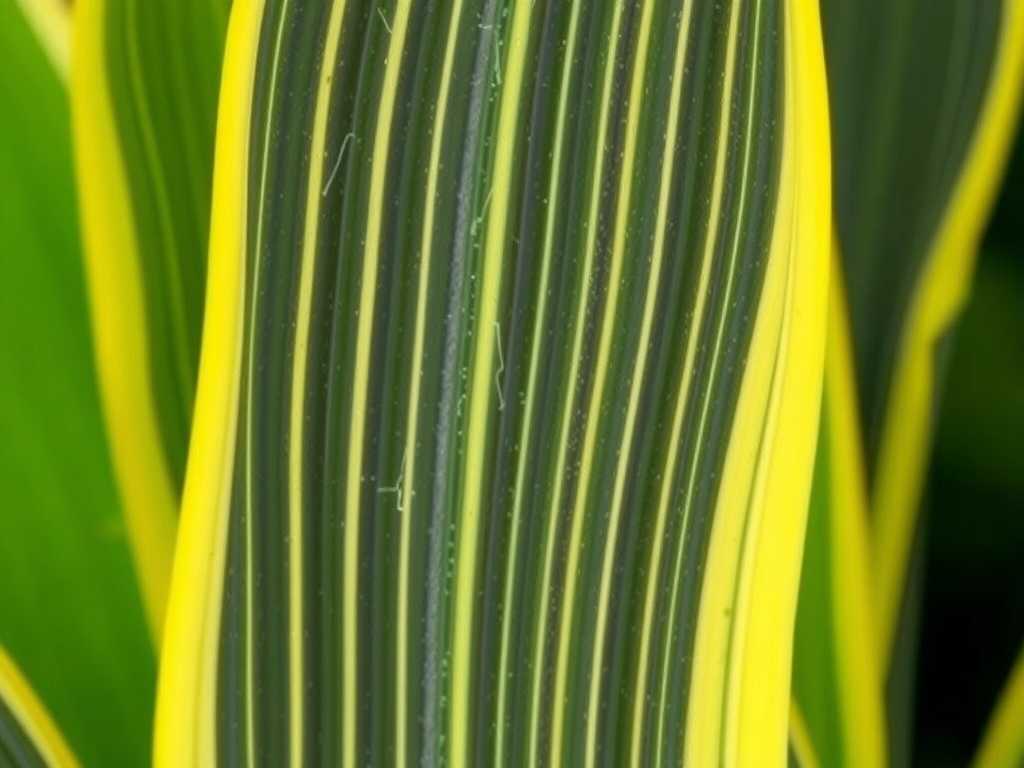
- Discoloration: Leaves may develop dark brown, black, or grayish spots or streaks. In some cases, the affected areas may turn a pale, washed-out green or yellow.
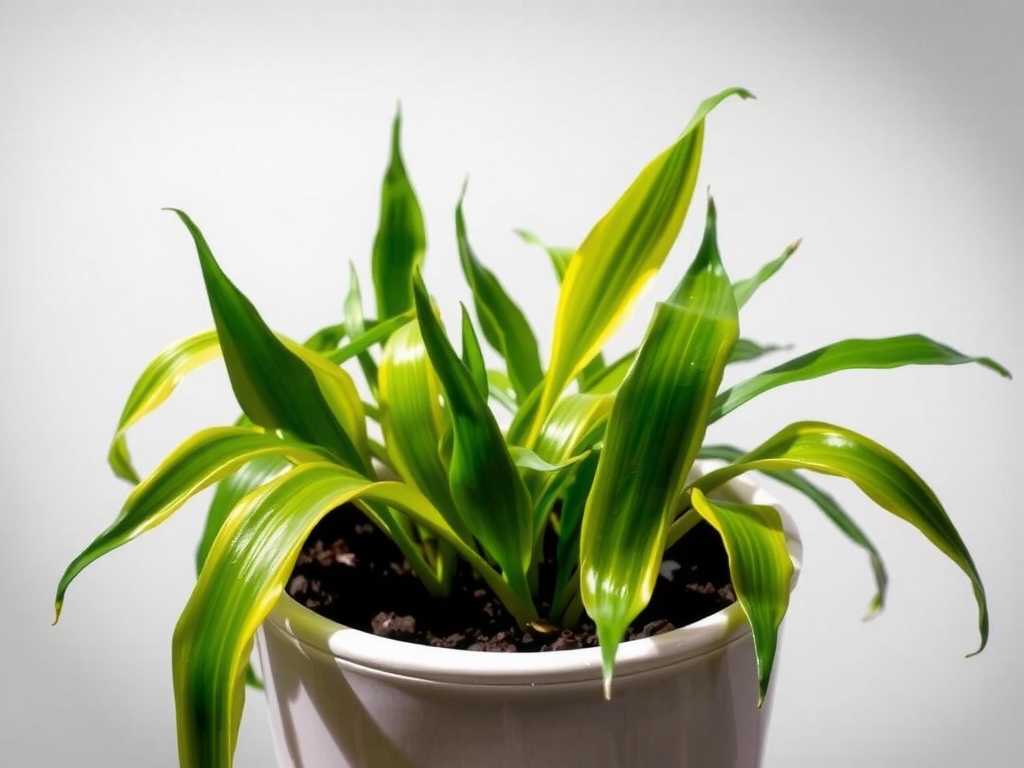
- Wilting or Collapsing: Severely damaged leaves may wilt, bend over, or completely collapse as the structural integrity of the tissue fails.
- Localized Damage: The injury typically appears on the side of the plant facing the cold source—the window. Leaves closest to the glass will show the most severe symptoms.
The Step-by-Step Recovery Plan
Once you've identified cold wind damage, immediate action is required. Follow these steps to give your plant the best chance.
Step 1: Move the Plant to a Safe, Stable Environment
Your first move is non-negotiable. Immediately relocate the plant away from the drafty window. Choose a warm spot with bright, indirect light. Avoid placing it near heating vents, fireplaces, or other extreme heat sources, as sudden warmth can shock the already stressed plant. Aim for a consistent temperature between 65-80°F (18-27°C).
Step 2: Assess the Extent of the Damage
Gently examine every leaf. Damage falls into two categories:
- Localized Damage: Only specific parts of leaves are affected (tips, edges, or patches).
- Systemic Damage: The entire leaf or the plant's core (the rhizome in the soil) is mushy and discolored.
Step 3: Prune the Damaged Tissue Correctly
Pruning prevents rot from spreading and helps the plant redirect energy. Use a sterile, sharp knife or scissors.
- For localized damage, cut the affected portion off. Make a clean, straight cut slightly into the healthy, firm green tissue. You can follow the natural leaf shape for a natural look.
- For a completely damaged leaf that is mushy from base to tip, remove it at the soil line. Gently pull the leaf while cutting at the base to avoid disturbing healthy roots.
- Critical Tip: Do not water the plant immediately after pruning. Open "wounds" need time to callous over to prevent bacterial entry.
Step 4: Adjust Your Watering Routine
A damaged plant's water needs plummet. Its reduced leaf surface area means less transpiration. Overwatering now is a fast track to root rot.
- Let the soil dry out almost completely. Insert your finger into the soil; water only when it's dry 2-3 inches down.
- When you do water, do so sparingly. Ensure the pot has excellent drainage.
Step 5: Hold Off on Fertilizer
Your plant is in recovery mode, not growth mode. Fertilizing a stressed snake plant can burn its roots and add further chemical stress. Wait at least 2-3 months, or until you see clear signs of new, healthy growth, before resuming a diluted feeding schedule.
Preventing Future Cold Draft Damage
Recovery is half the battle. Ensuring it doesn't happen again is key.
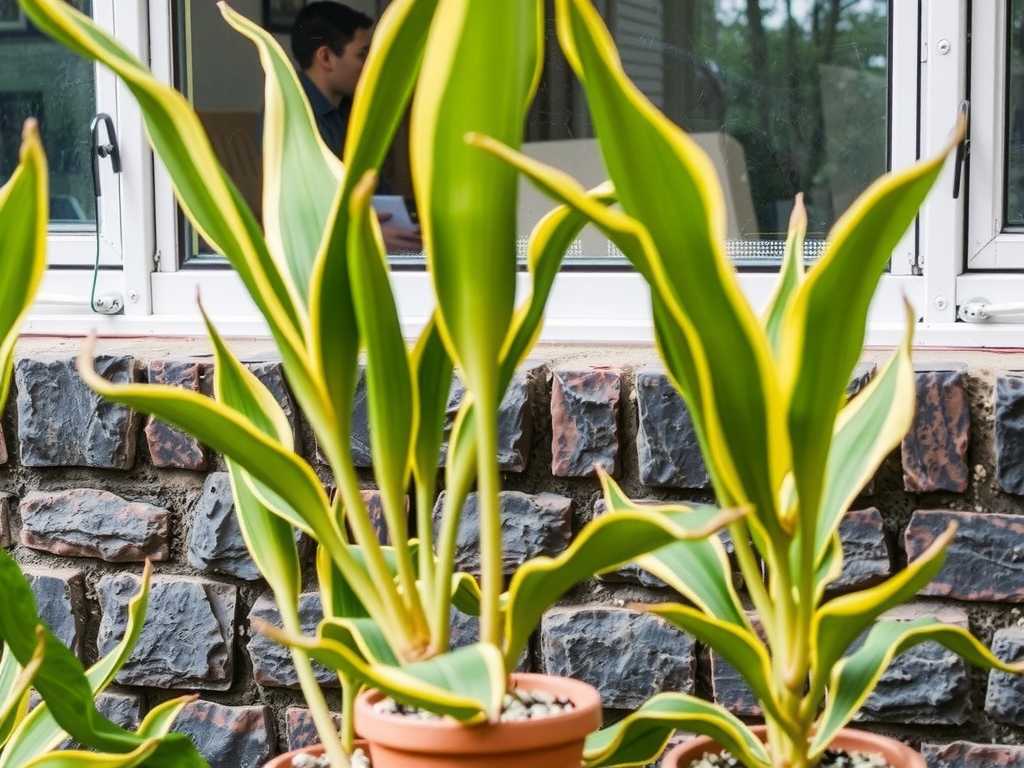
Strategic Placement is Everything The best long-term fix for cold wind damage on snake plants is intelligent placement. Keep your plant at least a few feet away from any window, especially single-pane windows. Use a digital thermometer near your window at night to understand the true temperature drop. Consider using a plant stand to elevate it off potentially cold floors.
Implement Draft Protection For particularly drafty windows, simple solutions can create a buffer:
- Use insulating weather stripping around the window frame.
- Place a thick, decorative curtain between the plant and the glass at night.
- Move the plant to a different location entirely during the coldest winter months.
Boost Overall Plant Health A robust plant is more resilient. Provide bright, indirect light year-round and use a well-draining succulent/cactus soil mix. As noted by horticulturist and author Jane Smith in The Resilient Houseplant, "A plant operating at peak health from proper core care has a significantly better capacity to withstand and recover from environmental stressors like temperature shock."
When Is Damage Too Severe?
Unfortunately, not every plant can be saved. If the cold has reached the central rhizome (the thick, root-like stem underground) and it has turned soft and brown, the plant may be beyond salvage. Similarly, if all leaves are completely mushy, recovery is unlikely. In these cases, you can attempt to propagate any remaining firm, green leaf sections.
Can a snake plant recover from cold damage? Yes, a snake plant can often recover if the damage is limited to the leaves and the core rhizome is still firm and healthy. The key is to remove all damaged tissue promptly, provide stable warm conditions, and adjust care to prevent further stress. Recovery is slow, and scarred leaves will remain, but new growth will eventually emerge.
How long does it take for a snake plant to recover? Do not expect quick changes. After proper care, it may take several weeks to months before you see new shoots emerging from the soil. The plant's priority is root and rhizome recovery before producing new foliage. Patience is essential during this period.
What is the difference between cold damage and overwatering? The symptoms can appear similar—both cause soft, mushy leaves. The key differentiator is location and context. Cold damage is almost always localized to leaves nearest a cold source (windows, doors) and occurs after a cold weather event. Overwatering damage is more generalized, often starting with the lower leaves, and is accompanied by consistently wet soil and potentially a foul odor from the root zone.
Cold wind damage can be a setback, but it’s rarely a death sentence for a snake plant. By acting quickly to remove damaged tissue, providing a stable, warm environment, and adjusting your care routine, you create the conditions for a slow but steady recovery. The most important lesson is often preventative: understanding that while snake plants are tolerant of neglect, they have clear climatic limits. A simple shift away from that drafty window can ensure your architectural, air-purifying companion remains a healthy and striking part of your home for years to come.
发表评论