 admin
admin How to Make Roots of Newly Divided Snake Plant Seedlings More Robust
You've just successfully divided your mature snake plant, giving you several new, promising seedlings. But now comes the crucial part: ensuring those fragile new root systems don't just survive, but thrive. The fear of root rot, stunted growth, or watching your new plants slowly decline is a real concern for any plant enthusiast. The key to transforming these divisions into robust, independent plants lies in mastering the post-division care, specifically targeting root development. This guide will walk you through the exact steps and conditions needed to build strong, healthy roots for your newly divided snake plant seedlings.
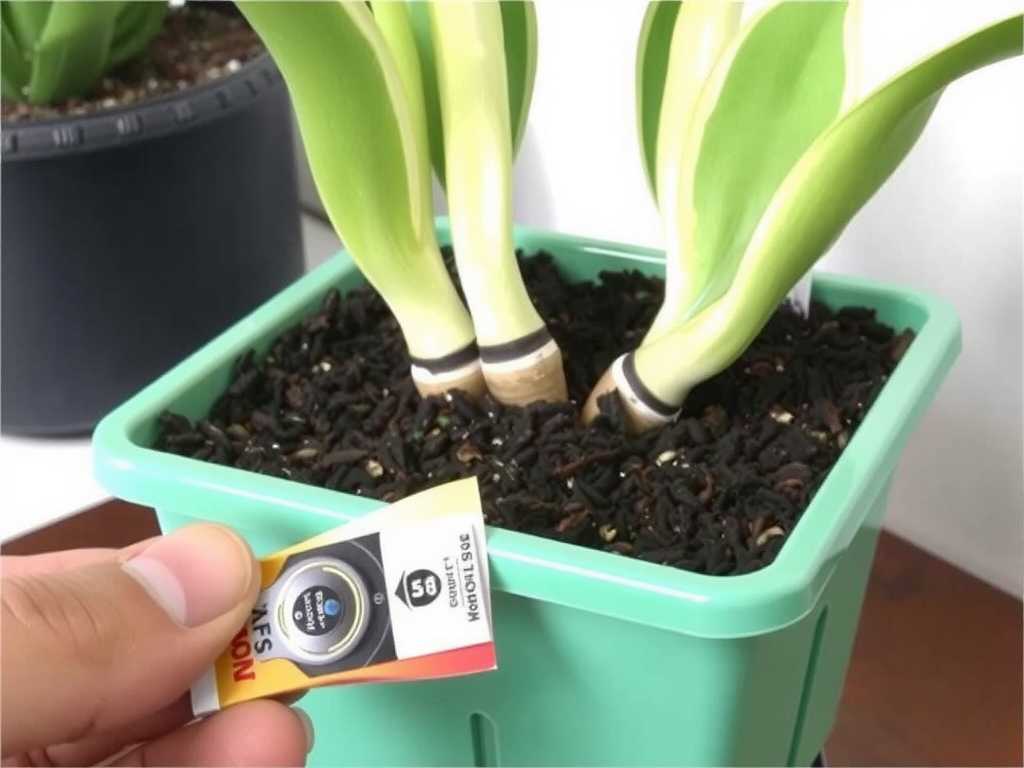
Understanding the Snake Plant's Root System After Division
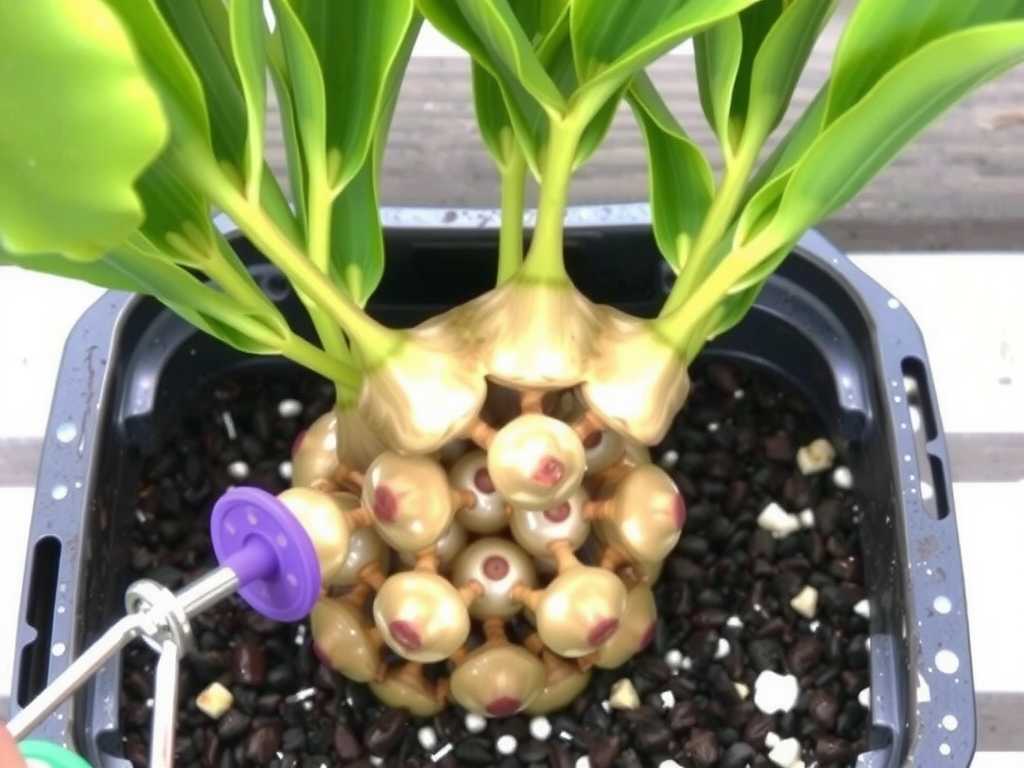
When you divide a snake plant, you are essentially performing minor surgery. You've separated a section of rhizome and roots from the parent plant's established system. Initially, these seedlings have a reduced root mass that must work harder to support the foliage and begin new growth. Their primary goal is to recover from the stress and expand their root network to seek water and nutrients. A robust root system is the foundation for drought tolerance, nutrient uptake, and overall plant vigor. According to horticulturist Dr. Linda Chalker-Scott, plant stress after division is normal, but the correct aftercare can significantly "minimize transplant shock and redirect energy to root regeneration."
Essential Step 1: The Right Potting Mix for Root Development
The single most important factor for encouraging robust roots is the medium you plant them in. Snake plants demand excellent drainage to prevent rhizome and root rot, which is the biggest threat to a recovering division.
- The Ideal Mix Formula: Avoid using standard, moisture-retentive potting soil alone. Instead, create a well-draining, airy mix. A proven recipe is one part standard potting soil, one part perlite, and one part coarse sand or succulent/cactus mix. This combination provides slight moisture retention while allowing excess water to drain freely and oxygen to reach the roots.
- Why Drainage is Key: Oxygen in the soil space is critical for root cell function and growth. Waterlogged soil pushes out oxygen, suffocating roots and creating an environment where harmful fungi thrive. A gritty mix encourages roots to grow freely and strongly as they seek out moisture.
Essential Step 2: Strategic Watering for Root Growth
Your watering technique post-division must encourage the roots to grow and explore, not drown them.
- The First Watering: After potting your division in its dry, well-draining mix, give it a thorough initial watering until water flows from the drainage holes. This settles the soil around the roots.
- The "Soak and Dry" Method: Then, practice the golden rule: allow the potting mix to dry out completely between waterings. Stick your finger about 2 inches into the soil. If it feels dry, it's time to water thoroughly again. This cycle is crucial. It teaches the roots that water must be sought deeper in the pot, promoting downward and outward growth as they follow the receding moisture. Constantly damp soil leads to lazy, shallow roots that are prone to rot.
Essential Step 3: Optimal Environmental Conditions
Light, temperature, and pot choice work together to create a root-friendly environment.
- Bright, Indirect Light: Place your seedling in bright, indirect light. Avoid deep shade or harsh direct afternoon sun, which can scorch leaves. Ample light drives photosynthesis, creating the energy (sugars) that is then directed down to fuel root growth. Low light means less energy for roots.
- Warmth is Vital: Snake plants are tropical. Root growth is most active in warm conditions, ideally between 70°F and 90°F (21°C - 32°C). Keep your plant away from cold drafts or chilly windowsills, especially after division.
- Choosing the Correct Pot: Select a pot with ample drainage holes. The pot size should be just 1-2 inches larger in diameter than the root ball. A pot that is too large holds excess soil that stays wet for too long, far away from the roots, increasing rot risk. A snug pot helps the soil dry more evenly.
Essential Step 4: The Role of Fertilization (And When to Wait)
Nutrients support growth, but timing is everything with new divisions.
- The Waiting Period: Do not fertilize your newly divided snake plant for at least 4-6 months. The fresh potting mix contains enough nutrients to sustain it. More importantly, fertilizer salts can burn and damage tender, recovering roots, setting back their development.
- Introducing a Root Boost: After this initial period, you can begin a gentle feeding regimen to encourage robustness. Use a balanced, water-soluble fertilizer (such as a 10-10-10 formula) diluted to half-strength, or a fertilizer higher in phosphorus (the "P" in N-P-K), which supports root development. Apply only during the active growing season (spring and summer), and never more than once a month.
Troubleshooting and Signs of Success
How do you know your methods are working?
- Signs of Robust Root Growth: The most obvious sign is new leaf growth emerging from the center of the plant. This indicates the roots have established themselves and are now supporting new foliage. Gently tugging on the plant after a few months should also meet with firm resistance, meaning roots have anchored well in the soil.
- Addressing Slow Growth: If growth seems stalled, reassess light levels and temperature. Ensure the plant is warm enough and receiving sufficient indirect light. Double-check that you are not overwatering.
- Preventing Root Rot: If leaves become mushy at the base, you must act fast. Unpot the plant, remove all soft, brown, or blackened roots and rhizome sections with a sterile knife. Let it air dry for a day, then repot in fresh, dry, well-draining mix. Hold off on watering for a week to allow calluses to form.
My plant's leaves are wrinkling or folding. Does this mean it needs more water? Not necessarily, and this is a critical point. While underwatering can cause wrinkling, overwatering leading to root rot can also prevent roots from taking up water, causing similar above-ground symptoms. Always check the soil moisture first. If the soil is wet and leaves are wrinkling, root rot is likely. If the soil is bone dry, a thorough drink is needed.
How long does it typically take for a divided snake plant to fully establish? You can expect to see signs of establishment, like new leaf growth, within 2 to 3 months under ideal conditions. However, for the root system to become fully robust and fill the pot, it often takes 6 months to a full growing season. Patience is key.
Can I use rooting hormone on my snake plant division? Yes, you can. While snake plants often root readily without it, applying a rooting hormone powder to the cut end of the rhizome and roots before potting can potentially speed up the development of new root cells. It's not a requirement for success but can be a helpful boost, especially if the division had fewer roots.
Building a powerful root system for your newly divided snake plant is a deliberate process centered on providing the right support and avoiding common pitfalls. By focusing on a well-draining soil mix, mastering a disciplined watering routine that promotes deep root seeking, and ensuring warm, bright conditions, you create the perfect environment for underground growth. Remember to resist the urge to fertilize too soon and choose a pot that fits the root ball snugly. With this approach, your seedlings will develop the resilient, robust foundation they need to grow into stunning, low-maintenance specimens for years to come.
发表评论