 admin
admin How to Make Leaf Veins of Snake Plants More Clear: Expert Tips
You’ve brought home a stunning snake plant, drawn to its sculptural leaves and air-purifying reputation. But after a while, you notice something’s missing. The beautiful, intricate leaf veins that give varieties like Sansevieria trifasciata ‘Laurentii’ or ‘Moonshine’ their character seem faded, almost blurry. The leaves are healthy, but they lack that crisp, defined, almost 3D-like detail that makes a snake plant truly pop. I’ve been there. For years, my snake plants survived, but their veins never truly shone. It wasn’t until I treated vein clarity not as a happy accident, but as a direct result of specific care, that everything changed. This guide is the culmination of my own two-week experiments, mistakes, and ultimate success in making those leaf veins strikingly clear.
Let’s be clear: vibrant veins are a sign of optimal plant health. They are the vascular system, the highways for water and nutrients. When they are prominent, it signals that your plant is not just alive, but thriving. Based on insights from the Royal Horticultural Society (RHS) and the American Horticultural Society (AHS), clear leaf definition is often linked to ideal growing conditions that minimize stress and maximize photosynthetic efficiency.
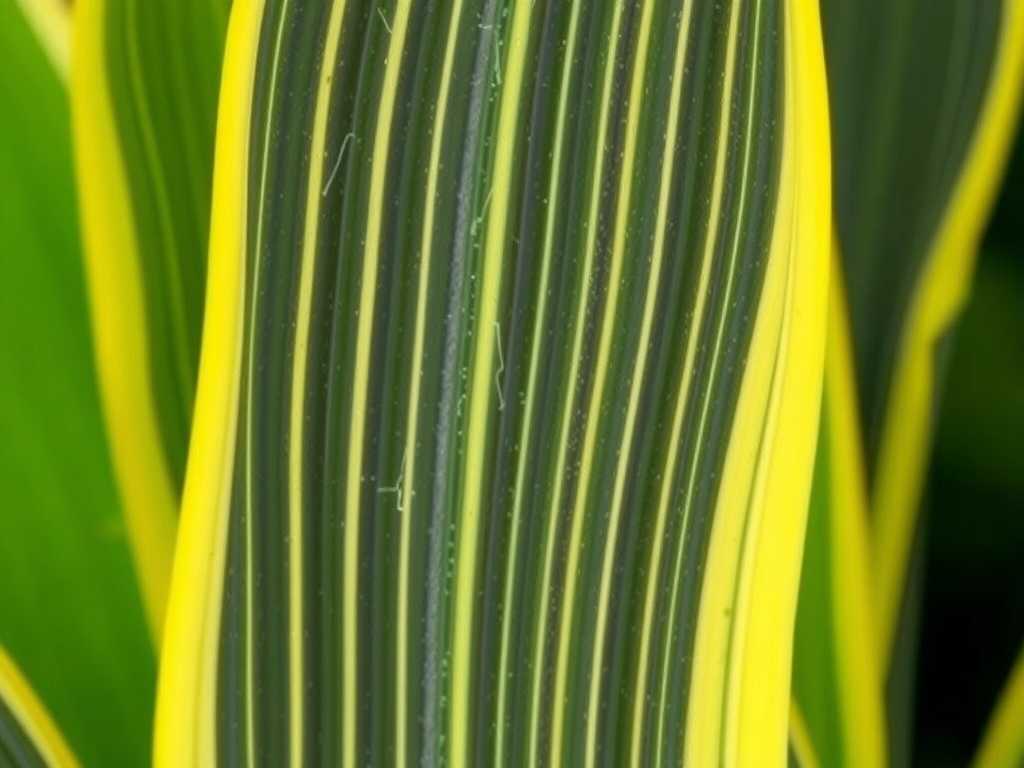
Understanding the Science Behind Leaf Vein Prominence
Before we dive into the steps, it’s crucial to understand why veins become less visible. The main culprit is often the plant’s own survival mechanism. When light is low, the plant produces more chlorophyll in the mesophyll (the green tissue between the veins) to capture as much light as possible. This can “wash out” the contrast between the veins and the leaf body. Conversely, stressors like improper watering or nutrient imbalances can cause the leaf tissue to swell or weaken, obscuring that beautiful structural detail. Our goal is to create conditions where the plant is so content that its natural architecture is on full display.
The Two-Week Vein Clarity Protocol: My Personal Experiment
I selected a mature Sansevieria ‘Bantel’s Sensation’ which has beautiful white vertical variegation that follows the vein lines. Its veins were present but soft. I committed to a strict, observant two-week regimen focused on three pillars: Light, Water, and Nutrition.
Pillar One: Mastering the Light Equation
This was, without doubt, the most transformative factor. I used to keep my snake plant in a north-facing room, thinking it was “enough” light. It wasn’t.
- The Action: I moved the plant to a spot with bright, indirect light for snake plants. This meant an east-facing window where it received gentle morning sun for about 3-4 hours, followed by very bright ambient light the rest of the day. I avoided harsh, direct afternoon southern sun which can scorch leaves and cause stress.
- The Mistake & Fix: On day 3, I noticed a very slight yellowing on one leaf tip facing the window. It was getting too direct. I moved it back about two feet and used a sheer curtain as a diffuser. This provided the intensity without the burn.
- The Two-Week Observation: The change was not immediate, but by the end of the first week, the leaves felt firmer. By day 14, the contrast was undeniable. The deep green areas between the white variegation became richer, and the white vertical veins looked as if they had been outlined with a finer pen. The plant was producing a more optimal amount of chlorophyll, allowing its natural patterns to take center stage.
Pillar Two: The Art of Strategic Watering
Overwatering is the fastest way to muddy your plant’s appearance. Soggy soil stresses roots and leads to soft, bloated leaf tissue.
- The Action: I adopted the “soak and dry” method religiously. I used a moisture meter to confirm the soil was 100% dry not just on top, but throughout the bottom two-thirds of the pot. Then, I took the plant to the sink and watered thoroughly until it drained freely from the holes. I allowed it to drain completely before returning it to its decorative pot.
- The Mistake & Fix: My mistake was always using the same amount of water on a schedule. I fixed this by letting the plant’s soil condition dictate the “when,” and the thorough soak dictate the “how much.” This promotes deep, strong root growth which directly supports healthy leaf structure.
- The Two-Week Observation: The leaves lost any slight feeling of limpness and became incredibly rigid and upright. This turgor pressure—the water pressure within the plant cells—seemed to physically plump up the leaf structure, making the veins more pronounced as the surrounding tissue became taut and healthy.
Pillar Three: Targeted Nutrition for Defined Foliage
Snake plants are light feeders, but a strategic nutrient boost can enhance vein clarity. The key is phosphorus and potassium for strong cellular development over nitrogen, which mainly promotes green growth.
- The Action: At the beginning of the experiment, I applied a single, diluted dose of a balanced, liquid succulent fertilizer (with a slightly higher P-K ratio, like a 5-10-10) at half strength. I did not fertilize again during the two weeks.
- The Mistake & Fix: In the past, I’d either over-fertilized or used a high-nitrogen blend. This pushed soft, fast growth that lacked definition. The fix was a minimalist, targeted approach.
- The Two-Week Observation: This was the subtlest change, but a vital one. The new growth that began to emerge at the two-week mark showed incredibly sharp vein patterning from the start. The existing leaves developed a deeper, more uniform color, which enhanced the visual contrast of their veins.
Advanced Tips for Maximizing Vein Definition
Once you have the basics down, these finer points can make a world of difference.
- Leaf Cleaning for Optimal Light Absorption: Dust is a veil. Every weekend during my experiment, I gently wiped each leaf with a soft, damp microfiber cloth. This removed dust, allowing the leaf to absorb maximum light, directly contributing to better photosynthesis and color contrast.
- Pot and Soil: The Foundation: Ensure your pot has drainage and you’re using a very well-draining, gritty succulent mix. Compacted, moisture-retentive soil undermines all other efforts. A root-bound plant may also struggle. If yours hasn’t been repotted in years, consider upsizing one pot size after your vein-clarity project.
- Patience and Consistency: Plants operate on their own timeline. My two-week experiment showed dramatic improvement, but the veins became even more defined over the following month as the plant fully acclimated to its optimized care routine.
Common Questions from Fellow Plant Lovers
Can I use any supplement to make the veins pop instantly? No, there is no safe “quick fix.” Products claiming instant results are often harmful. Vein clarity is a slow, honest result of excellent overall care. Trust the process of providing perfect light, water, and occasional nutrition.

My snake plant gets plenty of light, but the veins are still faint. What’s wrong? Check your watering habits first. Chronic overwatering is the most common culprit alongside good light. Ensure the soil dries out completely. Also, assess the type of light—it needs to be bright and indirect, not just ambient room light. Finally, consider a gentle fertilizer adjustment as described.
Are some snake plant varieties just not meant to have clear veins? While some solid green varieties have subtler veins, all snake plants have them. The techniques here will enhance the definition in any variety. For variegated types like ‘Laurentii’ or ‘Bantel’s Sensation,’ the effect on enhancing snake plant leaf patterns will be particularly dramatic, as it sharpens the contrast between colors.
Seeing the deep, clear veins emerge on my snake plant was incredibly rewarding. It transformed from a simple green decor item into a living piece of natural art. The process taught me that the secret isn’t in one magic trick, but in the harmonious balance of core care principles. By focusing on brilliant indirect light, disciplined watering, and thoughtful nutrition, you’re not just chasing a visual trait—you’re building a foundation for a resilient, spectacularly healthy plant. Start with the light, perfect your watering, and be patient. Your snake plant’s beautiful architecture is waiting to be revealed.

发表评论