 admin
admin How to Replace Nutrient Solution for Hydroponic Snake Plant Cuttings Properly
You've successfully propagated your snake plant in water, watching those promising roots develop. But now the water looks murky, algae is forming, and your once-vibrant cuttings seem sluggish. This common frustration highlights a critical, often overlooked step in hydroponic propagation: replacing the nutrient solution properly. Doing it incorrectly can shock your plants, stall growth, or even lead to rot. Mastering this simple maintenance task is the key to transitioning your cuttings from surviving to thriving in their water-based home.
This guide will walk you through the entire process, ensuring your hydroponic snake plant cuttings receive the clean, balanced nourishment they need for robust root and foliage development.
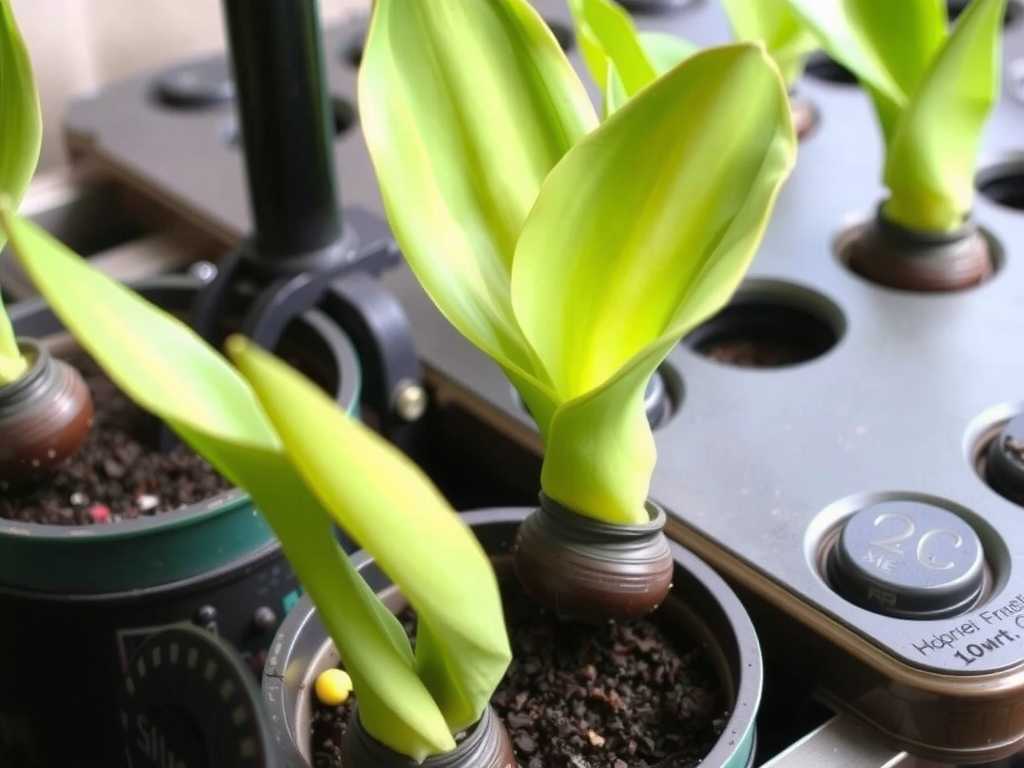
Why Proper Solution Replacement is Non-Negotiable
Simply topping off evaporated water is a recipe for problems in hydroponic systems. Over time, the water chemistry changes dramatically. Nutrients are absorbed by the plant at different rates, leading to imbalances. Water evaporation concentrates salts and minerals, which can "burn" tender new roots. Furthermore, stagnant water becomes a breeding ground for bacteria and algae, which compete for oxygen and can cause root rot.
A study on plant hydroponics emphasizes that maintaining solution equilibrium is crucial to prevent nutrient toxicity or deficiency, both of which manifest as poor growth and discoloration. Regular, complete replacement resets the environment, providing fresh oxygen and a predictable nutrient profile your cuttings can rely on.
Pre-Work: Gathering Your Supplies
Before you begin, assemble everything you need. This makes the process swift and minimizes stress for your plants.
- Fresh Water: Use filtered, distilled, or rainwater if possible. Tap water can be used but should sit out for 24-48 hours to allow chlorine to evaporate.
- Hydroponic Nutrient Solution: Choose a balanced, water-soluble fertilizer formulated for hydroponics or foliage plants. A diluted general-purpose formula works well.
- Clean Vessel: Your existing vase or jar, thoroughly washed.
- Soft Brush or Cloth: For gently cleaning roots and container.
- Pruning Shears (sterilized): For trimming any unhealthy roots.
- Gloves (optional): To keep hands clean.
Step-by-Step: How to Replace Nutrient Solution for Hydroponic Snake Plant Cuttings
Follow these clear steps to ensure a smooth transition for your plants.

Assess Your Cutting's Health First, carefully remove the snake plant cutting from its current container. Hold it by the leaf base, not the roots. Gently rinse the root system under a soft stream of lukewarm water to remove any old solution and debris. This is your chance to inspect closely. Healthy roots on snake plant cuttings are firm and orange or white. Dark, mushy, or slimy roots must be trimmed away with sterilized shears.
Thoroughly Clean the Container Algae and biofilm cling to container walls. Wash the vase with hot water and a little dish soap. Use a bottle brush to scrub all interior surfaces. Rinse it thoroughly until no soap residue remains. This step is vital to prevent immediately re-contaminating your fresh solution.
Prepare the New Nutrient Mix This is the most critical step for proper hydroponic care. Never use fertilizer at full strength. For young snake plant cuttings, a quarter-strength solution is ideal. If the bottle recommends 1 teaspoon per gallon for soil, use ¼ teaspoon per gallon for your hydroponic setup. Always add the nutrients to the water, not water to concentrated nutrients, and stir well. The solution should be very lightly colored, almost clear.
Replant and Position Correctly Place your cleaned cutting back into the spotless container. Pour the fresh, properly diluted nutrient solution around the roots. Ensure only the roots and base are submerged; the leaf stem and foliage must remain completely above water to prevent rot. Finally, position your cutting in a location with bright, indirect light. Avoid direct sun, which can overheat the water and promote algae.
Optimizing Your Replacement Schedule
How often should you perform this complete solution change? It depends on factors like temperature, light, and plant size.
- General Rule: A full replacement every 2-4 weeks is a good standard for snake plant cuttings.
- Visual Cues: Replace immediately if the water looks cloudy, has floating particles, or shows green algae growth.
- Topping Off: Between changes, top off with plain, dechlorinated water to maintain the level as evaporation occurs. Do not add more nutrient mix during top-offs.
Troubleshooting Common Issues After Replacement
Even with proper care, issues can arise. Here’s how to address them.
- Solution Turns Cloudy Quickly: This usually indicates bacterial growth. Ensure your container and roots were cleaned impeccably. Consider using a darker container to block light.
- Roots Appear Slimy: This is a sign of the beginning of root rot. Remove the cutting, rinse the roots, trim affected areas, and replace the solution again. You may rinse the roots in a mild hydrogen peroxide solution (1 part 3% H₂O₂ to 4 parts water) for a few minutes before replanting in fresh solution.
- Cutting Looks Wilted or Shocked: Ensure the new solution was not too cold and that the nutrient strength was very dilute. Place the plant in stable, gentle light conditions and allow it a few days to acclimate.
Frequently Asked Questions
Can I use the same water and just add more nutrients? No, this is not recommended. Evaporation concentrates minerals and salts, and metabolic byproducts from the plant build up. This leads to nutrient lockout and toxicity. A complete change is necessary to reset the chemical balance and provide fresh oxygen to the roots.
What is the best hydroponic nutrient solution for snake plant cuttings? Look for a balanced, water-soluble formula with an even NPK ratio, such as 10-10-10 or 5-5-5. The key is consistent, heavy dilution. Some experts specializing in indoor hydroponics recommend formulas with added calcium and magnesium for stronger cell development in water-grown plants.
My cutting has grown large roots. When should I move it to soil or a permanent hydroponic setup? When the roots are robust, several inches long, and have secondary branching (smaller roots off the main roots), your cutting is ready. You can transplant it into a well-draining soil mix or transfer it to a permanent passive hydroponic system like LECA, following a proper transition protocol to avoid shock.
Mastering the art of replacing the nutrient solution transforms hydroponic propagation from a guessing game into a reliable science. By providing clean water, a meticulously diluted nutrient mix, and a hygienic environment, you create the ideal conditions for your snake plant cuttings to develop powerful root systems and vigorous growth. Consistent care during this stage builds the foundation for a resilient, healthy plant that will thrive for years to come, whether it remains in water or eventually moves to soil.

发表评论