 admin
admin How to Choose the Right Tools for Snake Plant Division (Avoid These Mistakes)
You’ve decided it’s time. Your snake plant, once a compact cluster, is now bursting from its pot, roots circling tightly, leaves crowding each other for space. Division is the clear next step for a healthier, thriving plant. But here’s the common pitfall many plant lovers encounter: they grab the nearest kitchen knife or a pair of rusty scissors and dive in. This hasty approach often leads to crushed rhizomes, jagged cuts that invite disease, and unnecessary stress that can set your plant back for months. The secret to a successful, stress-free division isn’t just technique—it’s starting with the right tools for snake plant division.
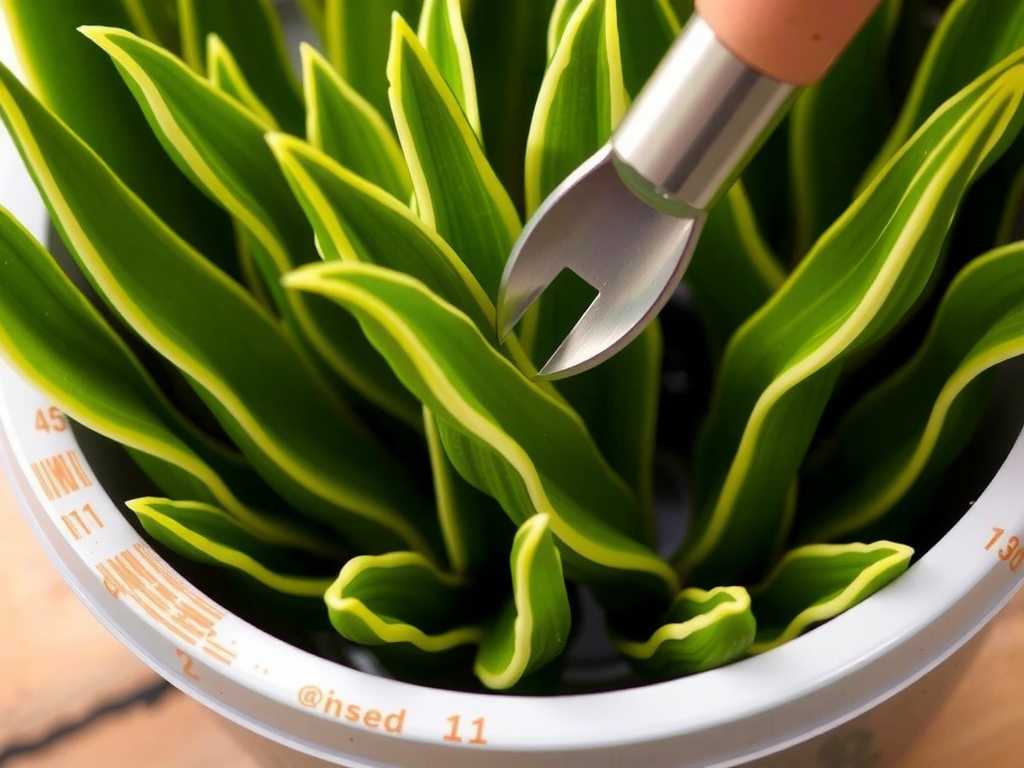
Using improper tools is one of the most frequent and damaging mistakes in plant propagation. The right equipment doesn’t just make the job easier; it ensures clean, precise cuts that heal quickly, minimizing the risk of rot and infection. This guide will walk you through exactly what you need and why, helping you avoid the common errors that can turn a simple task into a plant-parenting headache.
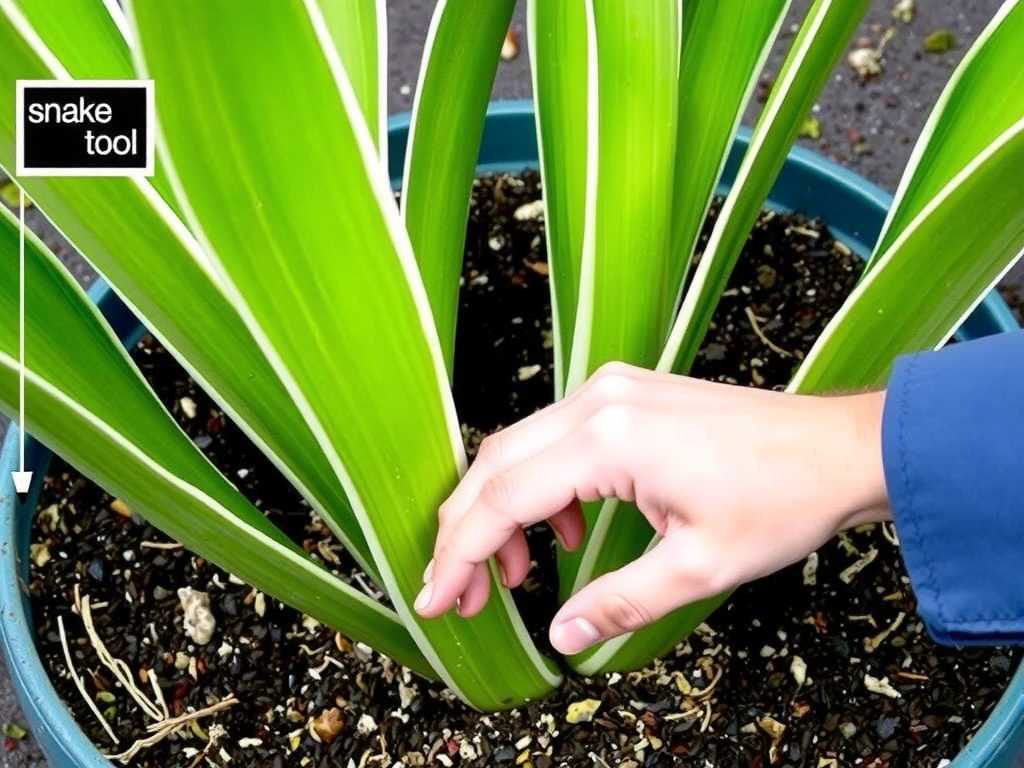
Essential Tools for the Job: A Curated List
Think of dividing your snake plant like a minor surgical procedure. You want everything to be clean, sharp, and purpose-built. Here’s your essential toolkit.
The Cutting Champions: Knives vs. Saws vs. Shears
Your primary tool is the one making the cut through the tough root mass. The choice here is critical.
A sharp, sterilized gardening knife or a sturdy hori-hori knife is often the top recommendation from horticulturalists. Its rigid, sharp blade can slice through dense, woody rhizomes with a clean, straight cut. Cleanliness is non-negotiable. Wipe the blade with isopropyl alcohol before and during the process, especially if moving between plants, to prevent transmitting any pathogens.
For extremely pot-bound plants with a solid, tangled root ball, a serrated garden knife or even a small, clean hand saw might be necessary. The serrated edge can grip and cut through the toughest mats without requiring excessive force that could damage the plant’s structure.
While bypass pruners or micro-tip snips are excellent for trimming individual leaves or cutting away dead roots, they are generally not the best primary tool for separating snake plant rhizomes. The crushing action of anvil-style pruners or the limited cutting diameter of snips can damage the crucial rhizome tissue. Save your sharp, clean pruners for the fine detail work after the main division is complete.
The Support System: Pots, Soil, and Other Necessaries
The right tools extend beyond the blade. Proper support ensures your new divisions have the best start.
Prepare new, clean pots with adequate drainage holes. A general rule is that the new pot’s diameter should be about one-third the span of the plant’s leaves. Terracotta pots are a fantastic choice for snake plants as they are porous, promoting soil drying and preventing overwatering—a key cause of root rot.
Use a well-draining succulent or cactus potting mix. You can enhance a standard potting mix by adding perlite or coarse sand (up to 50% by volume) to ensure it drains rapidly. According to a study by the University of Florida IFAS Extension, a fast-draining medium is paramount for preventing root rot in succulent plants like Sansevieria.
Don’t overlook these helpers:
- A tarp or newspaper to contain the mess.
- A soft-bristled brush for gently removing old soil from the root system to better see the division points.
- Rooting hormone (optional). While snake plants root readily, a light dusting on cut rhizomes can encourage faster root development, especially for divisions with fewer existing roots.
Critical Mistakes to Avoid When Selecting Tools
Now that you know what to use, let’s highlight what not to do. Avoiding these errors is just as important.
Using Dull or Dirty Blades
This is the cardinal sin of plant division. A dull blade doesn’t cut; it tears and crushes the plant’s cells, creating a ragged wound that is slow to heal and highly susceptible to fungal and bacterial infections. A clean, sharp cut creates a smooth surface that can callous over quickly. Always sterilize and sharpen your tools before you begin.
Choosing the Wrong Tool for the Root Structure
Assess your plant’s root ball before you cut. A common mistake in snake plant propagation is using flimsy scissors on a dense root mass, which requires prying and twisting that can snap leaves from rhizomes. If the roots are soft and pliable, a sharp knife may suffice. If it’s a solid block, you’ll need the saw. Let the plant’s condition dictate your tool choice.
Overlooking Post-Division Care Essentials
The job isn’t over once the cuts are made. Failing to have the correct soil mix for divided snake plants ready is a major oversight. Placing a fresh division into dense, moisture-retentive soil can undo all your careful work. Similarly, potting into a container that’s too large holds excess moisture around the small root system, increasing rot risk. Always prepare your post-op recovery station—pot, soil, and a bright, indirect light location—before you make the first cut.
A Step-by-Step Guide to the Division Process
With your curated toolkit assembled, you’re ready to proceed with confidence.
- Preparation: Water your snake plant lightly about a week before division to make the roots more pliable, but the soil should not be soggy. Gather all your sanitized tools, new pots, and fresh potting mix on your workspace.
- Removal and Inspection: Gently tip the pot and ease the plant out. Use your hands or a brush to carefully remove old soil so you can clearly see the rhizomes (the thick, stem-like structures under the soil) and the root system.
- The Division: Identify natural separation points where clusters of leaves are connected to a rhizome. Using your chosen sharp, sterile knife or saw, make decisive cuts to separate the rhizomes, ensuring each new division has at least one healthy rhizome and several attached leaves. Teasing apart by hand is preferable if the connections are loose.
- Potting Up: Place each division in its new pot, backfilling with your well-draining soil mix. Plant at the same depth it was previously growing. Do not water immediately.
- The Crucial Aftercare: This is where patience is key. Place the new divisions in bright, indirect light and wait at least 5-7 days before giving them a thorough watering. This allows the cut rhizome ends to callous over, sealing the wound and preventing rot. Resume a regular snake plant care routine (infrequent, thorough watering) only once the plant shows signs of new growth.
Frequently Asked Questions
Can I use a regular kitchen knife to divide my snake plant? While a very sharp, sturdy kitchen knife can work in a pinch, it is not ideal. Gardening knives are typically harder steel, designed to stay sharper when cutting through abrasive soil and roots. More importantly, a dedicated gardening tool ensures you don’t cross-contaminate between food and plant materials. Always sterilize any blade thoroughly with alcohol before use.
Is it necessary to use rooting hormone on the cuts? For snake plants, it is not strictly necessary as they are prolific rooters. However, using a rooting hormone powder containing IBA (Indole-3-butyric acid) can accelerate root development on divisions, especially if a section has a large cut surface with few existing roots. It provides an extra layer of insurance for success.
How long should I wait before watering the new divisions? This is a critical step. Wait a minimum of 5 to 7 days after repotting before the first watering. The goal is to allow the cut ends of the rhizomes to dry and form a protective callus. Watering too soon pushes moisture directly into the fresh wound, creating the perfect environment for root rot. When in doubt, wait it out.
Successful snake plant division hinges on mindful preparation. By selecting sharp, sterile cutting tools suited to your plant’s toughness and pairing them with a fast-draining soil mix and appropriate pots, you transform a potentially stressful event into a simple, rewarding process. Avoiding the common pitfalls of dull blades and improper aftercare ensures your mother plant and its new offspring will thrive for years to come, multiplying your greenery without the grief.
发表评论