 admin
admin How to Solve White Spots on Snake Plant Leaves: Step-by-Step Fixes
Discovering white spots on your snake plant leaves can be alarming. These unsightly marks disrupt the plant's sleek, architectural beauty and signal that something is off with its care. The good news is that this common issue is often fixable. This guide will walk you through identifying the exact cause and providing clear, actionable solutions to restore your plant's health.
Understanding what these white spots are is the first critical step. They are not a single problem but a symptom with several possible culprits. Accurate diagnosis is key to applying the right fix.
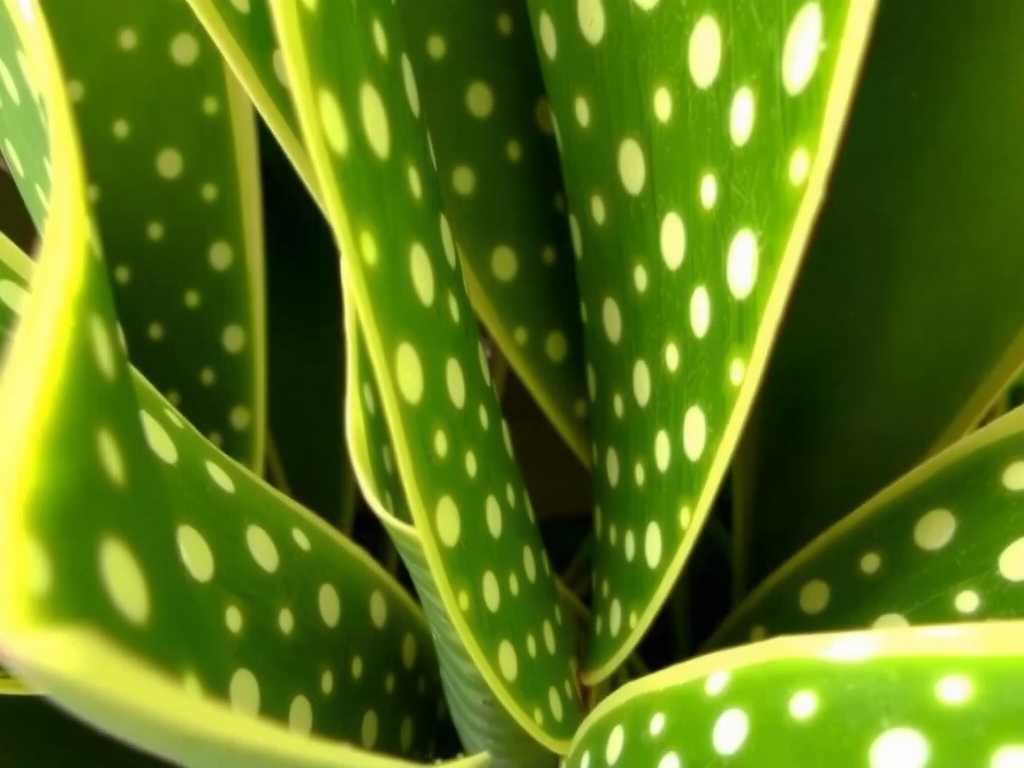
Identifying the Type of White Spots on Your Snake Plant
Look closely. The appearance, texture, and location of the spots offer vital clues. Here are the most common types.
1. Powdery Mildew: The Fuzzy White Coating This fungal disease looks like someone dusted your plant with white or grayish powder. It often starts on the upper sides of leaves but can spread. Unlike other issues, you can wipe it off with your finger. It thrives in conditions with poor air circulation, high humidity, and low light.
2. Mealybugs: The Cotton-Like Clusters These are pests, not a disease. Mealybugs appear as small, soft-bodied insects covered in a white, waxy, cotton-like substance. They tend to gather in leaf axils (where the leaf meets the stem) and on the undersides of leaves. You might also notice sticky honeydew residue on leaves or nearby surfaces.
3. Sunburn: The Dry, Scorched Patches Snake plants love bright, indirect light but can scorch in direct, harsh sunlight. Sunburn manifests as dry, crispy, bleached-white or brown patches, typically on the leaves facing the light source. The spots are often irregular and feel papery.
4. Mineral or Salt Buildup: The Crusty Deposits If you use tap water, especially if it's hard water, white, crusty deposits can accumulate on the soil surface and sometimes on the lower leaves. This is a buildup of salts and minerals. It can also appear as white streaks if water droplets evaporate on the leaves.
5. Physical Damage or Edema: The Blister-Like Spots Occasionally, overwatering can cause cells to rupture, leading to blister-like spots that may turn white or corky. Physical damage from bumps or scrapes can also create scarred, pale areas.
Step-by-Step Fixes for Each Cause
Once you've identified the likely cause, follow these targeted steps.
Fixing Powdery Mildew on Snake Plant Leaves
- Isolate the Plant: Immediately separate your snake plant from others to prevent the fungus from spreading.
- Improve Conditions: Increase air circulation around the plant. Move it to a brighter location with indirect light and consider using a fan. Reduce humidity if possible.
- Remove Affected Leaves: For severe cases, prune the most heavily infected leaves at the soil line with a sterilized knife or scissors. Dispose of them in the trash, not the compost.
- Apply a Treatment: Wipe remaining leaves with a soft cloth dampened with a mixture of 1 part milk to 2-3 parts water. For tougher cases, use a fungicide labeled for powdery mildew on houseplants, following all label instructions. Horticultural expert Dr. Linda Chalker-Scott notes, "Early intervention with cultural controls like improving airflow is often more sustainable than immediate chemical use for indoor plants."
Eliminating Mealybug Infestations
- Isolate: Quarantine the plant to protect your collection.
- Manual Removal: Dip a cotton swab in rubbing alcohol (isopropyl alcohol) and dab it directly on every mealybug you see. The alcohol dissolves their waxy coating, killing them on contact.
- Spray Treatment: For larger infestations, mix a solution of 1 part 70% rubbing alcohol with 3-4 parts water in a spray bottle. Add a few drops of mild dish soap as a spreader. Spray the entire plant, especially leaf undersides and crevices. Wipe away dead pests after a few hours.
- Repeat and Inspect: Repeat the alcohol treatment every 5-7 days for at least two weeks to catch newly hatched nymphs. Check the plant regularly thereafter.
Addressing Sunburn Damage
- Relocate: Move the plant immediately to a spot with bright, indirect light. An east-facing window or a few feet back from a south/west window is ideal.
- Do Not Remove Leaves: Unless a leaf is completely dead, leave it. The green parts can still photosynthesize and support the plant. The sunburned patches will remain as scars.
- Adjust Watering: Sunburn often coincides with underwatering in hot locations. Ensure you are watering thoroughly (but infrequently) when the soil is completely dry.
Resolving Mineral and Salt Buildup
- Flush the Soil: This is the most effective method. Take the plant to a sink or outdoors. Slowly pour a large volume of distilled water, rainwater, or filtered water through the soil for several minutes, allowing it to drain freely. This leaches excess minerals from the root zone.
- Change Your Water Source: Switch to watering with distilled, rainwater, or filtered water to prevent future buildup.
- Remove Crust: Gently scrape off any crusty salt deposits from the soil surface and replace them with fresh potting mix.
- Wipe Leaves: Use a damp cloth with distilled water to gently wipe any mineral streaks off the leaves.
Preventing White Spots in the Future
Consistent, proper care is your best defense. Here’s how to keep your snake plant spot-free.

- Water Correctly: This is the number one rule. Snake plants are drought-tolerant succulents. Water deeply only when the soil is 100% dry to the touch, and always ensure the pot has drainage holes. Overwatering is a root cause of many issues, including pest susceptibility and edema.
- Provide Optimal Light: Place your plant in bright, indirect light. It will tolerate lower light but thrives and resists disease better with ample indirect sunlight.
- Ensure Good Airflow: Avoid cramming plants tightly together. Good circulation discourages fungal growth and pests.
- Use Clean Tools: Always sterilize pruning shears or knives before cutting your plant to prevent transmitting disease.
- Inspect Regularly: Make a habit of checking your plant's leaves, including the undersides, during watering. Early detection makes any problem easier to solve.
Common Questions About White Spots on Snake Plants
Can I use neem oil on my snake plant for white spots? Yes, neem oil can be an effective organic treatment for both powdery mildew and mealybugs. It acts as a fungicide and a pest repellent. Always dilute it according to the product instructions and test it on a small leaf first, as some plants can be sensitive. Apply in the evening to avoid potential leaf burn from sunlight.
Should I repot my snake plant if it has white spots? Repotting is not usually the first step unless the cause is directly related to the soil, such as severe mineral buildup or root rot from overwatering. Address the surface issue (pests, fungus, etc.) first. If you suspect soil problems, repot into fresh, well-draining cactus/succulent mix and a clean pot with drainage.
Will the white spots on the leaves ever go away? The spots themselves will not disappear from the leaf tissue. Fungal scars, sunburn patches, and physical damage are permanent. However, with proper care, new growth will emerge healthy and spot-free. You can choose to prune away severely damaged leaves for aesthetic reasons once the plant is recovering and producing new growth.
Seeing white spots on your snake plant is a call to action, not a death sentence. By carefully observing the symptoms, accurately diagnosing the problem—be it powdery mildew, mealybugs, sunburn, or mineral deposits—and applying the specific step-by-step fix outlined, you can effectively resolve the issue. The resilience of the snake plant works in your favor. Focus on refining your core care practices: perfect your watering technique, provide the right light, and promote good airflow. With these adjustments, your plant will not only recover but will continue to thrive, adding robust, clean beauty to your space for years to come.

发表评论