 admin
admin How to Boost Low Germination Rate of Snake Plant Seeds: A Guide
You've carefully sown your snake plant seeds, patiently waited for weeks, and yet only a few tiny sprouts—or none at all—have appeared. This frustrating experience is common for many indoor gardeners. Snake plant seeds are notoriously tricky to germinate, with a naturally low and unpredictable success rate. But what if you could significantly improve those odds? This comprehensive guide is designed to demystify the process and provide you with proven, actionable strategies to boost the germination rate of your snake plant seeds, turning disappointment into a thriving nursery of new plants.
Understanding the Challenge: Why Snake Plant Seeds Struggle
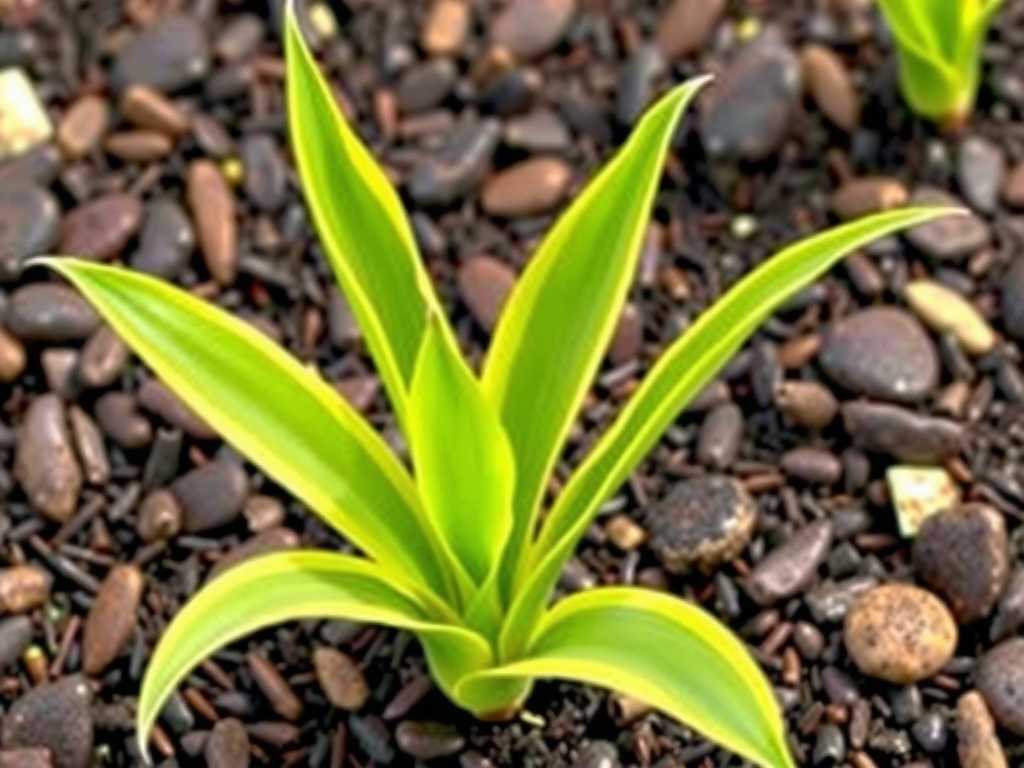
Before we dive into the solutions, it's crucial to understand the "why." Snake plant seeds have a low viability period. They lose their ability to germinate quickly after harvesting, often within a few months if not stored perfectly. Furthermore, they require very specific environmental conditions to break dormancy. Simply scattering them in regular potting soil and hoping for the best is a recipe for failure. The key is to mimic their natural germination triggers as closely as possible.
Essential Pre-Sowing Preparation
The steps you take before the seed even touches the soil are arguably the most important for success.
Seed Selection and Viability Test Always source your seeds from a reputable supplier to ensure freshness. Older seeds have a drastically reduced chance of sprouting. If you're unsure about your seeds' viability, you can perform a simple float test. Gently place the seeds in a cup of room-temperature water. Viable seeds tend to sink after a while, while non-viable, hollow seeds often remain floating. This isn't foolproof, but it can help manage expectations.
The Perfect Germination Medium Forget standard potting soil for the initial stage. Snake plant seeds need a sterile, light, and consistently moist medium that allows for delicate root development and prevents fungal diseases like damping-off.
- Recommended Mix: A combination of fine coconut coir and perlite (a 70/30 ratio works well) is excellent. Coconut coir retains moisture without becoming waterlogged, and perlite ensures superb aeration. Pre-moisten your medium thoroughly before sowing. Horticulturist Dr. Eleanor Greene notes, "Using a sterile, soilless mix is the single most effective way to prevent seedling loss to pathogens, a major cause of low germination rates in home settings."
Mastering the Germination Environment: The Three Critical Factors
Creating the right microclimate is where you truly boost your germination rate. Control these three elements meticulously.
1. Optimal Temperature for Germination Temperature is the primary trigger. Snake plant seeds require warm conditions to germinate. The ideal soil temperature range is between 70°F to 80°F (21°C to 27°C). Consistency is vital. Fluctuating temperatures can stall or prevent germination entirely.
- Solution: Use a seedling heat mat. This inexpensive tool placed under your seed tray provides a steady, bottom heat that is far more effective than relying on ambient room temperature. A thermostat-controlled mat is ideal for precision.
2. Precise Moisture Management The medium must stay evenly moist but never soggy. Dry spells will kill the emerging radicle (first root), while waterlogging will rot the seed.
- Solution: After sowing, cover your tray or pot with a clear plastic dome or place it inside a sealed plastic bag. This creates a mini-greenhouse, maintaining 100% humidity and eliminating the need for frequent watering. Check daily for condensation; if the dome is dry, mist the medium lightly.
3. Light Requirements for Sprouting Contrary to popular belief, snake plant seeds do not require darkness to germinate. In fact, they benefit from bright, indirect light.
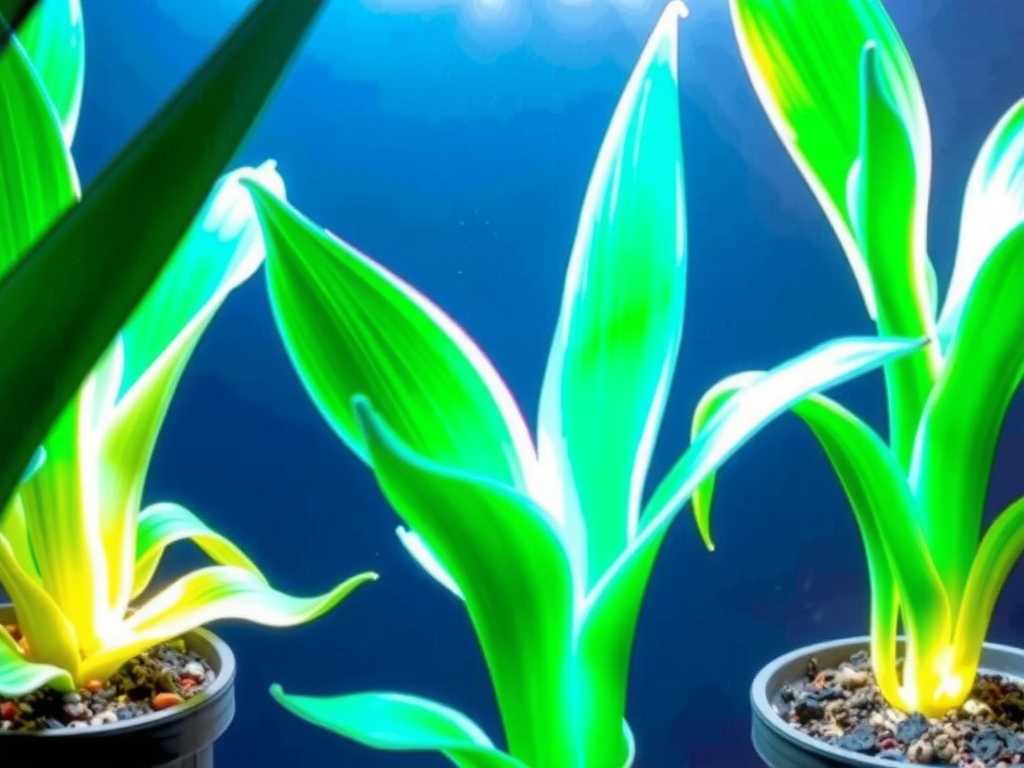
- Solution: Place your covered seed tray in a location with plenty of bright, filtered light but no direct sun, which can cook the seeds inside the humid environment. A north-facing window or under grow lights works perfectly.
Step-by-Step Sowing Process for Maximum Success
Follow this sequence to put all the prepared elements together.
- Fill and Pre-Moisten: Fill a clean seed tray or small pots with your pre-moistened germination mix. Gently firm the surface.
- Sow the Seeds: Since snake plant seeds are not tiny, you can space them about an inch apart. Press them lightly onto the surface of the mix. Do not bury them deeply; a very light dusting of the medium or fine vermiculite over them is sufficient.
- Create Humidity: Mist the surface gently one more time. Cover the tray with its clear plastic dome or place the entire pot inside a sealed plastic bag.
- Provide Warmth and Light: Place the covered setup on your seedling heat mat in its bright, indirect light location.
- The Waiting Game: Now, patience is essential. Germination can begin anywhere from 3 to 6 weeks, and sprouts may continue to appear for several months. Resist the urge to open the dome frequently.
Post-Germination Care: Ensuring Seedlings Survive
Your work isn't done once the first green appears. The seedling stage is delicate.
Acclimatizing Seedlings After a significant number have sprouted and developed their first true leaf (which looks different from the initial sprout), you need to wean them off the high-humidity environment. Over 3-4 days, gradually increase ventilation by propping open the dome for longer periods each day before removing it entirely. This hardens them off and prevents mold.
Transplanting for Growth When seedlings have a couple of true leaves and are sturdy enough to handle, they can be carefully transplanted into individual small pots with a well-draining succulent or cactus mix. Continue to keep the soil lightly moist and provide bright, indirect light.
Troubleshooting Common Germination Failures
- No Germination at All: Likely causes are old/non-viable seeds, temperatures that are too low, or the medium drying out completely.
- Seeds Rot or Mold Appears: This indicates excessive moisture and poor air circulation. Ensure your medium was sterile and lightly crack open the dome for a short period each day to allow fresh air exchange.
- Sprouts Emerge Then Collapse (Damping-off): This fungal disease is fatal. It underscores the necessity of using a sterile medium and clean containers from the start. There is no cure; prevention is key.
How long does it take for snake plant seeds to germinate? Be prepared for a long wait. While some seeds may sprout around the 3-week mark, it's common for germination to be sporadic over 6 to 10 weeks. Do not discard your tray too early.
Can I use regular potting soil to germinate snake plant seeds? It is not recommended. Standard potting soil can be too dense, may retain excess water, and often contains fungi that cause damping-off. A sterile, soilless mix specifically for seed starting is vastly superior for boosting your germination rate.
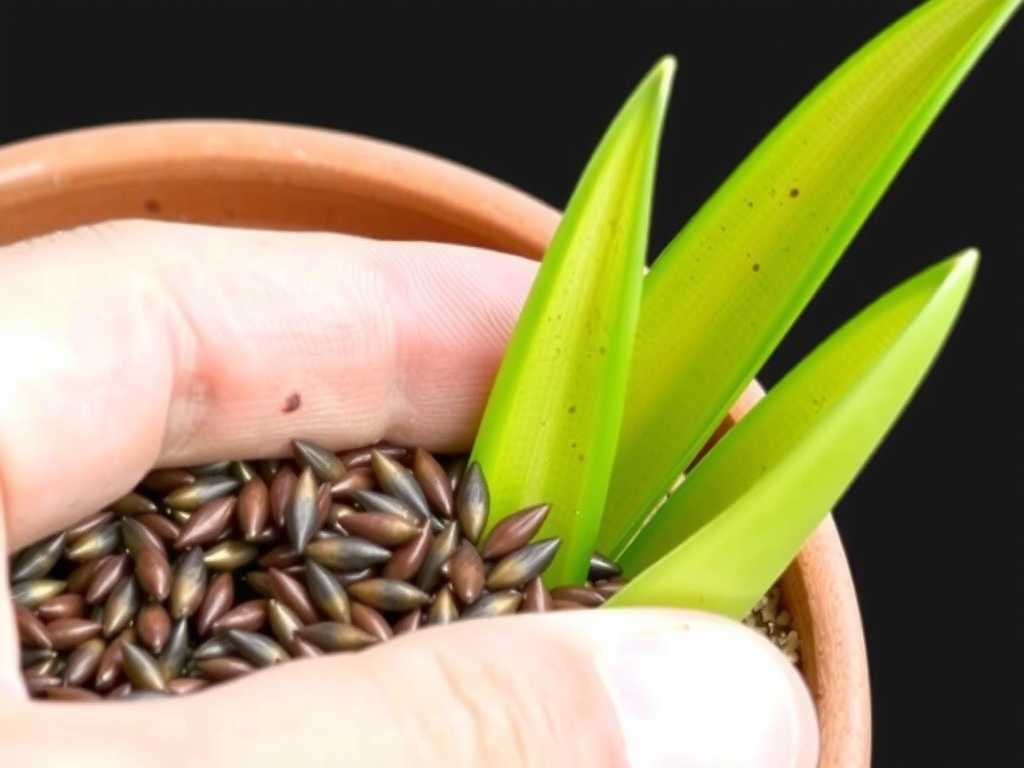
What is the most important factor for successful snake plant seed germination? Consistent warmth is the most critical trigger. A stable soil temperature in the 70-80°F range, provided by a seedling heat mat, will have the greatest positive impact on your germination success, more than any other single variable.
Successfully growing snake plants from seed is a test of patience and precision, but immensely rewarding. By focusing on seed viability, employing a sterile and airy medium, and meticulously controlling temperature, moisture, and light, you can transform a historically low germination rate into a satisfyingly high success rate. Remember, the journey from seed to a mature, striking snake plant is a slow one, often taking years, but it begins with mastering these foundational steps. Start with fresh seeds, apply this guide's methods, and watch your perseverance turn into a collection of unique, home-grown sansevierias.
发表评论