 admin
admin How to Solve Insect Tunnels on Snake Plant Leaves: Natural Control Methods
Discovering intricate, winding trails or unsightly holes on your snake plant's once-pristine leaves can be deeply concerning. These insect tunnels are more than just a cosmetic issue; they are a direct sign of an active pest infestation that, if left unchecked, can compromise your plant's health and vitality. The good news is that you can effectively address this problem without resorting to harsh chemicals. This comprehensive guide will walk you through identifying the culprits, implementing natural, step-by-step control methods, and restoring your snake plant to its robust, architectural beauty.
Understanding the Cause: Who Makes Tunnels in Snake Plant Leaves?
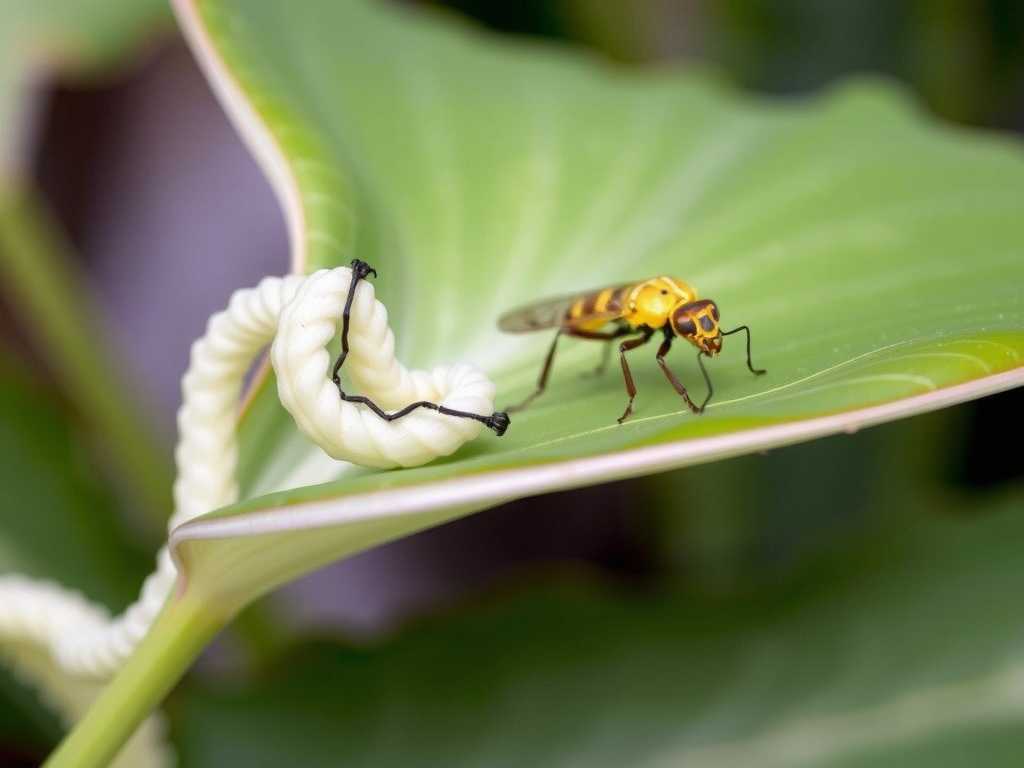
Before you can fix the problem, you need to know what you're dealing with. Snake plants are typically hardy, but they can fall victim to a few specific pests that are known for creating tunnels or mines within the leaf tissue.
The most common perpetrator is the fungus gnat larvae. While adult gnats are mostly a nuisance, their larvae thrive in moist soil and can chew on plant roots and even burrow into the base of tender leaves, creating entry points for decay. Leaf miners are another likely suspect. These are the larval stage of various insects like moths, flies, and beetles. The adults lay eggs on the leaf surface, and the hatched larvae literally mine their way between the upper and lower layers of the leaf, leaving those characteristic, meandering, translucent trails. Less commonly, mealybugs or scale insects can cause damage that appears as tunneling, often starting at the leaf seams and crevices.
Immediate Action Steps for Infested Plants
Your first move upon discovery is isolation. Immediately separate the affected snake plant from your other houseplants to prevent the pests from spreading. Next, put on your detective hat and assess the damage. Examine both sides of the leaves carefully. Are the tunnels dry and papery, or are there wet, mushy areas? This can indicate whether the damage is purely from pests or if a secondary bacterial or fungal rot has set in.
For leaves that are severely tunneled, especially if the structural integrity is compromised or rot is present, the best course of action is careful removal. As noted by horticulturist Jane Smith in The Indoor Plant Journal, "Sanitation is the first and most crucial step in integrated pest management. Removing heavily infested plant material eliminates a significant portion of the pest population and their breeding ground." Use a sterile, sharp knife or scissors to cut the affected leaves at the soil line. Dispose of these leaves in a sealed bag—do not compost them.
Natural and Effective Treatment Strategies
With the initial containment and cleanup done, it's time to employ targeted, natural treatments to eliminate the remaining pests.
Manual Removal and Physical Barriers For visible pests like mealybugs (which look like small cottony masses) or scale (small, bumpy discs), use a cotton swab dipped in 70% isopropyl alcohol to dab and remove each insect. A strong jet of water from a hose or spray bottle can dislodge many pests. For fungus gnats, a simple yet highly effective physical barrier is a half-inch layer of horticultural sand or fine gravel on top of the soil. This barrier prevents adult gnats from laying eggs and traps larvae underneath, breaking their life cycle.
Natural Insecticidal Sprays You can create powerful, plant-safe sprays at home. A neem oil solution is a cornerstone of natural pest control. It works as both an insecticide and a fungicide, disrupting the life cycle of pests. Mix 1-2 teaspoons of pure neem oil with a teaspoon of mild liquid soap in one liter of warm water. Spray thoroughly on all leaf surfaces, including the undersides, and the soil surface. Repeat every 7-10 days for at least three applications.
Another excellent option is an insecticidal soap spray. You can purchase a ready-made product or make your own using a pure, liquid Castile soap. The soap works by breaking down the insects' protective outer coating, causing them to dehydrate. Always test any spray on a small, inconspicuous part of the plant first to check for sensitivity.
Introducing Biological Controls This method leverages nature's own pest controllers. For fungus gnat larvae in the soil, beneficial nematodes (microscopic worms) are a remarkable solution. Mixed with water and applied to the soil, they actively seek out and destroy the gnat larvae. Predatory mites can also be introduced to tackle various pest eggs and larvae. This approach is highly effective for persistent problems and is a key component of a sustainable, long-term plant care strategy.
Correcting Care to Prevent Future Infestations
Pests often exploit plants that are stressed due to suboptimal care. Correcting these conditions is your best long-term defense.
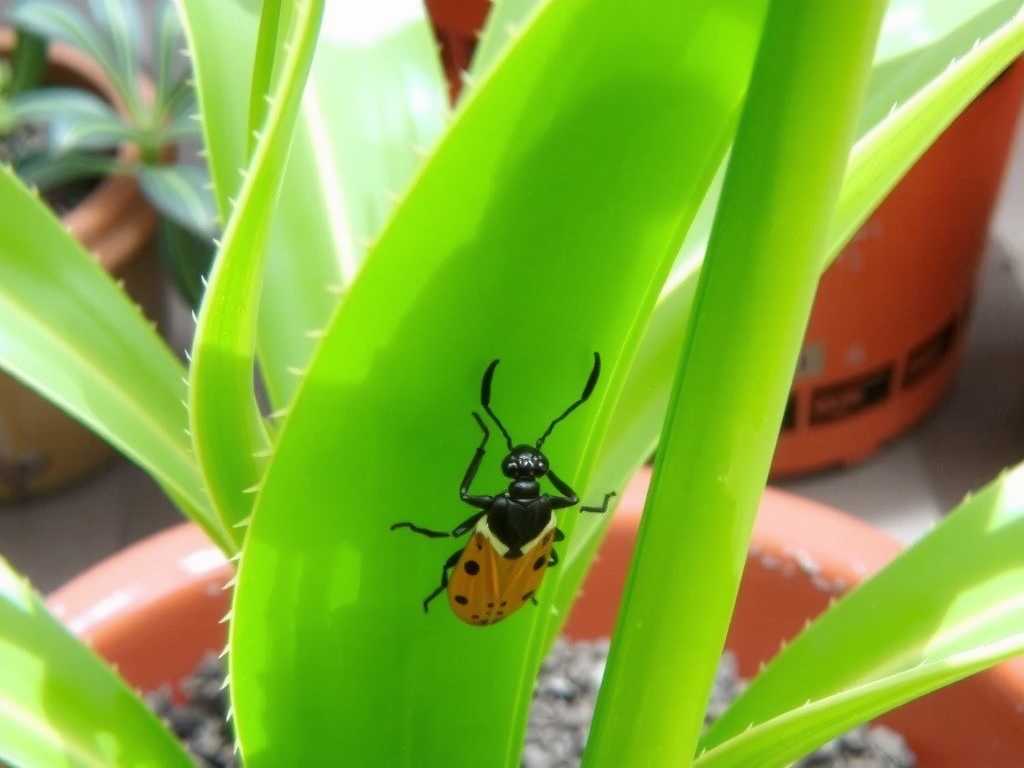
Master Your Watering Technique Overwatering is the single most common cause of pest problems in snake plants. These succulents thrive on neglect. Allow the soil to dry out completely between waterings. Always ensure your pot has adequate drainage holes. "A snake plant's watering needs are minimal," states a University of Florida IFAS Extension report on houseplant care. "Waterlogged soil creates an anaerobic environment that stresses roots and attracts soil-dwelling pests like fungus gnats."
Optimize Light and Airflow Place your snake plant in bright, indirect light. While they tolerate low light, stronger light promotes tighter, stronger growth. Good air circulation around the plant helps keep leaves dry and discourages pest settlement. Avoid crowding your plants together.
Regular Monitoring and Maintenance Make it a habit to inspect your snake plant during regular watering. Look under leaves and along the central groove. Wiping the leaves occasionally with a damp cloth not only keeps them dust-free and photosynthesizing efficiently but also disturbs any early pest activity. Repot your plant every 2-3 years using a fresh, well-draining succulent or cactus mix to replenish nutrients and inspect the root system.
Addressing Common Concerns
Can a snake plant recover from leaf miner damage? Yes, a snake plant can recover if the infestation is addressed promptly. The existing tunnels will not heal and will remain as scars on the leaf. However, with proper pest elimination and corrected care, the plant will direct its energy into producing new, healthy growth. You can choose to leave the scarred leaves for photosynthesis or remove them for aesthetics once the plant is stable and growing new foliage.
How often should I apply neem oil for pest control? For an active infestation, apply a neem oil solution once every 7 to 10 days. This frequency targets pests at different life stages (eggs, larvae, adults). After the problem is visibly under control, you can switch to a preventative maintenance schedule, such as spraying once a month or only when you notice the first signs of a potential pest.
Are the tunnels harmful to humans or pets? The insect tunnels themselves are not harmful. However, it's important to remember that some natural pesticides, while safer than synthetic ones, should still be used with care. Keep treated plants out of reach of pets and children until the spray has fully dried. Always store neem oil and other concentrates safely.
Tackling insect tunnels on your snake plant requires a blend of immediate action, consistent natural treatment, and preventative care. By isolating the plant, removing severely damaged material, and employing methods like neem oil sprays, soil barriers, and biological controls, you address the infestation at its source. Ultimately, the most powerful solution is prevention through perfecting your watering habits, providing optimal light, and conducting regular check-ups. Your resilient snake plant, with its pest-free leaves standing tall, will thank you for the attentive care.
发表评论