 admin
admin How to Tell If Newly Divided Snake Plant Seedlings Have Survived: Key Signs
You’ve carefully divided your mature snake plant, potted the new seedlings, and now the waiting begins. The first few weeks are crucial, and it’s natural to feel a bit anxious. Is that slight wilting normal? Is no new growth a bad sign? Understanding the survival signals of your newly propagated snake plants is key to ensuring they thrive. This guide will walk you through the definitive, easy-to-spot signs that your divided snake plant seedlings are not just surviving, but successfully establishing themselves for long-term health.
The First Crucial Weeks: What to Expect
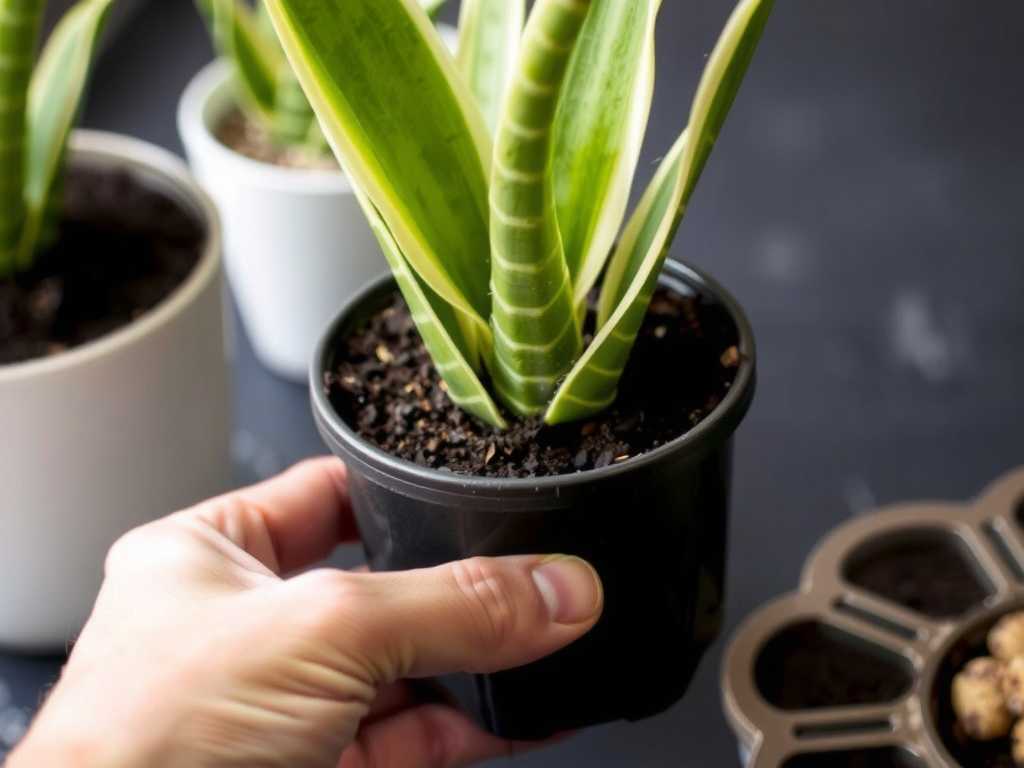
Immediately after division, snake plant seedlings enter a recovery phase. Their root systems have been disturbed, and they need time to adjust. Don’t expect dramatic growth right away. The primary goal in the first 2-4 weeks is stability and root re-establishment. Your focus should be on providing optimal care—indirect light, minimal water, and stable temperatures—while observing for the following key indicators of success.
Positive Sign 1: Firm, Upright Leaves
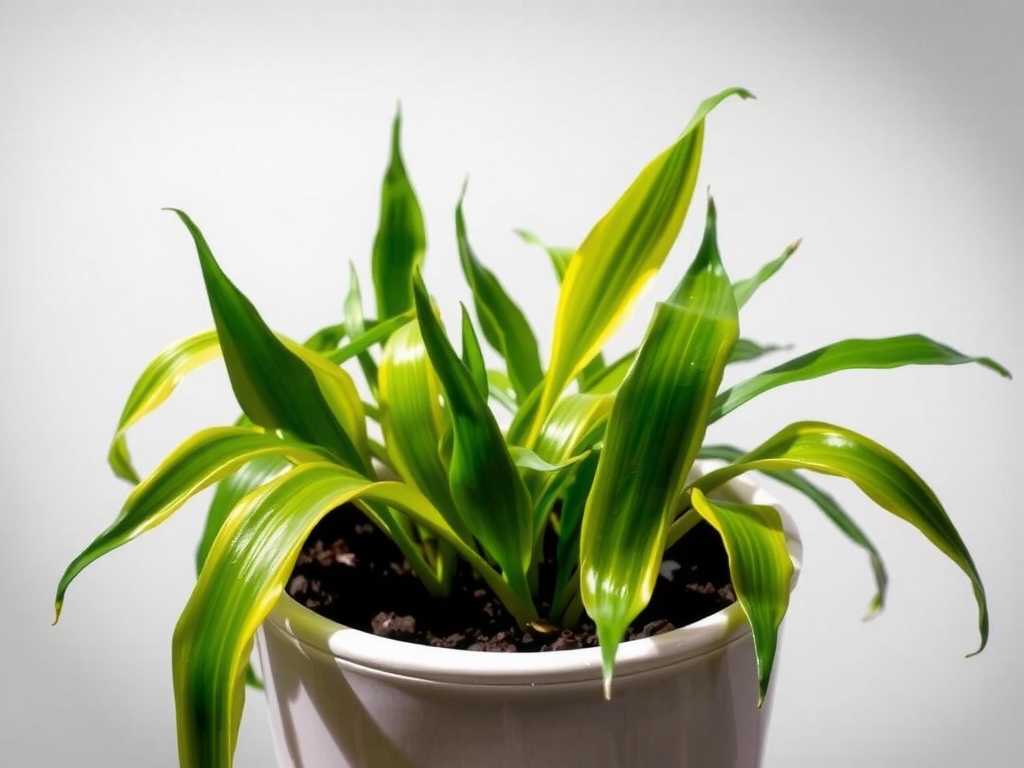
The most immediate sign of a healthy seedling is the condition of its leaves. A surviving snake plant division will have leaves that remain firm and upright. They should feel solid to the touch, not mushy or limp. Even if growth has paused, the existing foliage should retain its structural integrity. This firmness indicates that the roots are beginning to function and draw up moisture, supporting the plant’s core structure. A slight, temporary droop immediately after division can occur, but it should resolve within a week if conditions are right.
Positive Sign 2: New Root Growth (The Ultimate Confirmation)
While you can’t see them directly without disturbing the plant, evidence of new root growth is the most definitive proof of survival. You can infer this growth indirectly. Gently tug on the base of the plant after about 3-4 weeks. If you feel slight resistance, it’s a strong indicator that new roots have formed and are anchoring the plant in the soil. For a clearer view, horticulturists like those at the Royal Horticultural Society suggest waiting 6-8 weeks before a cautious inspection. If you see white, healthy roots peeking from the drainage holes or coiling slightly at the soil surface, your seedling is actively establishing itself.
Positive Sign 3: The Emergence of New Shoots
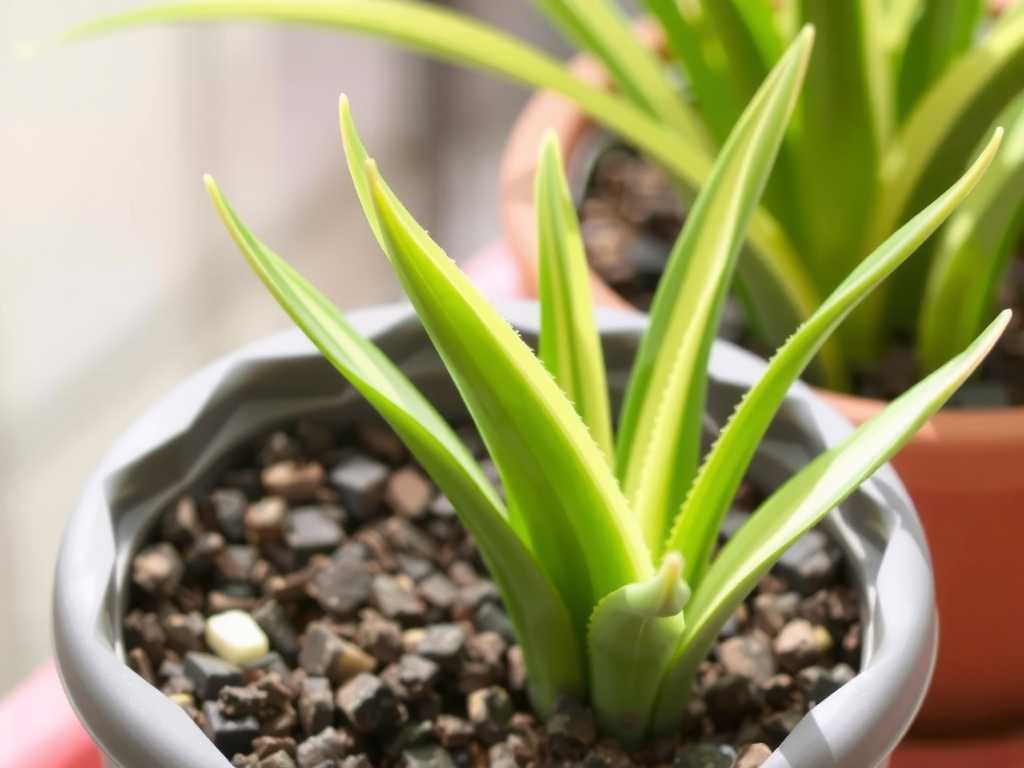
This is the unmistakable victory sign. The appearance of a tight, pointed new shoot emerging from the soil line is clear evidence that your divided plant is not just alive, but thriving and entering a growth phase. This new growth, often called a “pup,” signals that the root system is sufficiently developed to support and invest energy in expansion. It typically appears 4-8 weeks after a successful division. The shoot will be a vibrant green and slowly unfurl into a sturdy new leaf.
Warning Signs and How to Respond
It’s equally important to recognize trouble early. Here are critical signs your seedling might be struggling and the immediate actions to take.
Danger Sign: Persistent Soft, Mushy Leaves or Base
If leaves become persistently soft, wrinkled, or translucent, and the base of the plant feels mushy, this almost always points to overwatering and root rot. This is the most common cause of failure after division. Action: Stop watering immediately. Remove the plant from its pot, gently wash away the soil, and cut away any black, mushy roots with a sterile knife. Repot the remaining healthy portion into fresh, dry, well-draining succulent mix. Do not water for at least a week.
Danger Sign: Severe, Wrinkled Wilting and Dry Soil
Conversely, leaves that are severely wrinkled, curled, and crispy to the touch indicate underwatering or a complete failure of the roots to take up water. Action: Give the soil a thorough, deep soak. Ensure water runs freely from the drainage holes. Sometimes, a technique called “bottom watering”—placing the pot in a tray of water for 30 minutes—can help rehydrate the root ball effectively if the soil has become hydrophobic.
Danger Sign: No Change and Loose Anchoring
If after 5-6 weeks the plant shows no signs of growth (positive or negative) and offers no resistance when gently tugged, it may have failed to root. The division might be sitting in the soil without establishing a connection. Action: Unpot the division to inspect. If there are no new roots and the original cut end looks dry or shriveled, you may need to restart. Re-cut the base to expose fresh tissue and re-root it in water or fresh, barely moist soil.
Optimizing Care for Survival Success
Your observational skills must be paired with correct post-division care. According to a study on plant stress recovery published in the Journal of Plant Growth Regulation, minimizing environmental stress is paramount for root regeneration. Place your seedlings in bright, indirect light. Direct sun can scorch them while they are vulnerable. Water sparingly. The top two inches of soil should be completely dry before you consider watering. When you do water, water thoroughly but infrequently. Use a well-draining potting mix specifically formulated for cacti and succulents. This prevents water from pooling around the sensitive new root zone. Resist the urge to fertilize. New divisions have no need for fertilizer and it can chemically burn delicate new roots. Wait until you see consistent new growth, typically after 3-4 months.
How long does it take for a divided snake plant to show new growth? Typically, you can expect to see a new shoot or evidence of rooting within 4 to 8 weeks under ideal conditions. The initial focus is on root development, which happens beneath the soil, so patience is key.
Is it normal for divided snake plant leaves to turn slightly yellow? One or two of the outermost, oldest leaves may yellow and die back as the plant reallocates energy to root creation. This is normal. However, if multiple leaves or new growth is yellowing, reassess your watering habits.
Should I separate all the pups from my snake plant at once? It’s generally safer for the mother plant to divide only 2-3 robust pups at a time. Removing too many divisions simultaneously can over-stress the plant. Allow it to recover fully before propagating again.
Recognizing the signs of survival in your newly divided snake plant seedlings transforms uncertainty into confidence. Look for the steadfast firmness of the leaves, seek evidence of new root anchorage, and celebrate the emergence of fresh green shoots. By combining vigilant observation with restrained, appropriate care, you’ll not only ensure their survival but also foster the resilient, air-purifying beauty that makes snake plants a beloved staple in homes everywhere.
发表评论