 admin
admin How to Tell If Snake Plants Need More Light: Key Signs to Look For
I’ve been a proud plant parent to several snake plants for years, and like many of you, I used to believe the common myth that they thrive in any condition, especially deep shade. That belief cost me the vibrant, upright growth I desired. My plants were surviving, not thriving. The turning point came when I realized I was misdiagnosing their problems—thinking issues were due to overwatering when the real culprit was insufficient light. If you’re worried your resilient snake plant might secretly be craving more sunshine, you’re not alone. Let’s walk through the unmistakable signs together, based on my own hands-on experience and careful observation.
Understanding Your Snake Plant’s Light Language
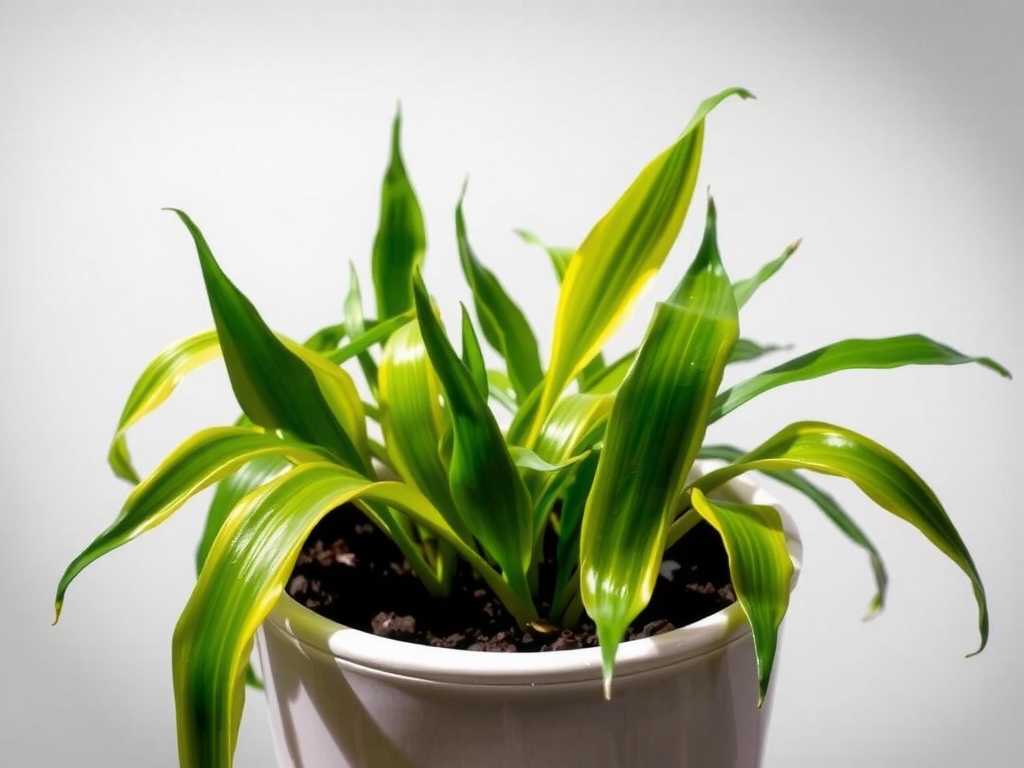
Snake plants (Sansevieria) are champions of adaptability, but they have a sweet spot: bright, indirect light. While they tolerate low light, prolonged deprivation triggers a cascade of stress signals. It’s not about keeping them barely alive; it’s about helping them flourish. I learned this the hard way after moving one of my favorite ‘Laurentii’ varieties to a dim corner. Over the following weeks, its silent pleas for help became impossible to ignore.
The Top Signs Your Snake Plant is Light-Starved
Leggy, Stretched Growth and Small New Leaves
The most classic sign is etiolation—when a plant stretches unnaturally toward a light source. My snake plant’s normally compact, tight rosette of leaves began to change. The new leaves growing in were noticeably farther apart on the rhizome, creating a sparse, “leggy” appearance. They were also thinner and weaker compared to the stout, broad leaves produced under better light. Instead of a proud, upright cluster, it started to look awkward and splayed. According to the Royal Horticultural Society (RHS), this elongated, weak growth is a direct physiological response to seek out more photons. It’s the plant’s survival mechanism, but it compromises its structural integrity and beauty.
Fading, Dull, or Yellowing Color
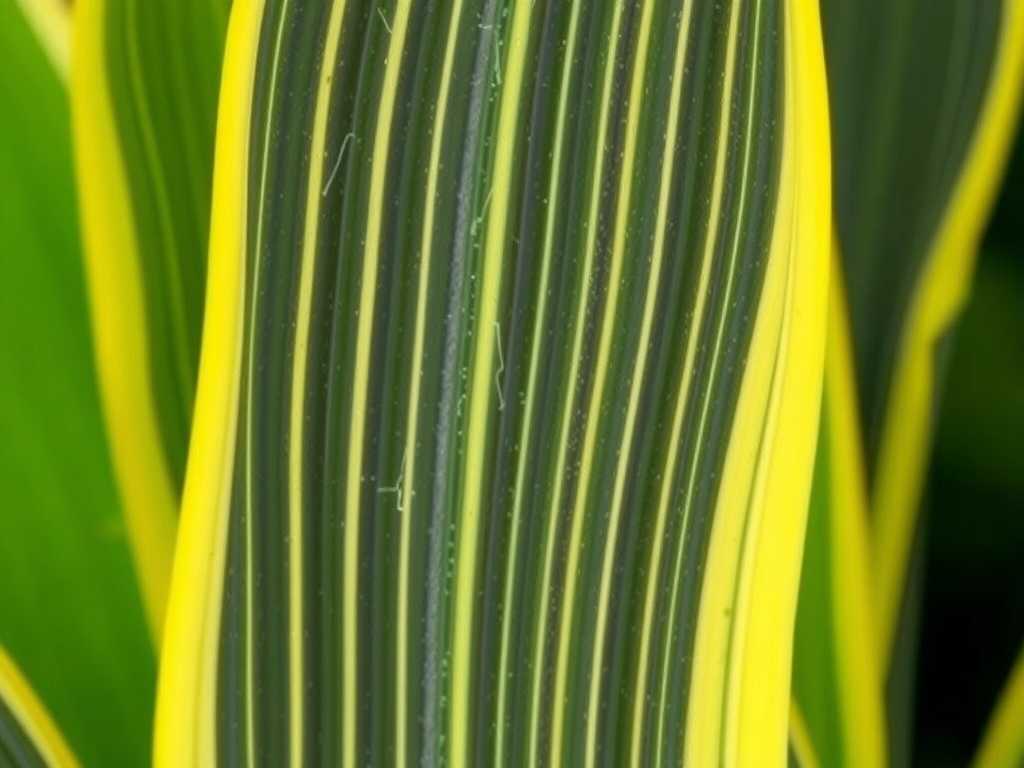
A healthy snake plant boasts deep, rich green hues, often with sharp, contrasting variegation on varieties like ‘Moonshine’ or ‘Bantel’s Sensation’. My ‘Moonshine’, once a stunning silvery-green, began to look washed-out and dull. The vibrant color faded into a pale, sickly yellow-green. For variegated types, the stunning yellow or white margins may become less distinct or even revert to green as the plant produces more chlorophyll in a desperate attempt to capture whatever minimal light is available. This loss of pigment is a clear distress call.
Slow or Completely Stalled Growth
Snake plants aren’t speed demons, but they do grow. In that dim corner, my plant’s growth didn’t just slow; it virtually halted for months. No new shoots emerged from the soil. This is a key indicator of insufficient light for snake plants. Light is the energy source for photosynthesis. Without adequate fuel, the plant enters a state of suspended animation, conserving every bit of energy just to maintain its existing leaves. If your snake plant hasn’t shown a hint of new growth in a growing season (spring/summer), light is a prime suspect.
Soil That Stays Wet For Far Too Long
This was the “aha!” moment for me. I noticed the soil in my affected plant’s pot remained damp for weeks, far longer than my other snake plants in brighter spots. I initially thought, “Great, I’m watering less!” But it was a trap. The real issue wasn’t my watering can; it was the lack of light. Without sufficient light, the plant’s metabolic processes, including water uptake through its roots, slow down dramatically. Furthermore, evaporation from the soil surface decreases. This creates a dangerous environment where the roots sit in moisture for too long, dramatically increasing the risk of root rot—a problem often misattributed to simple overwatering.
Weak, Floppy Leaves That Lose Their Stiffness
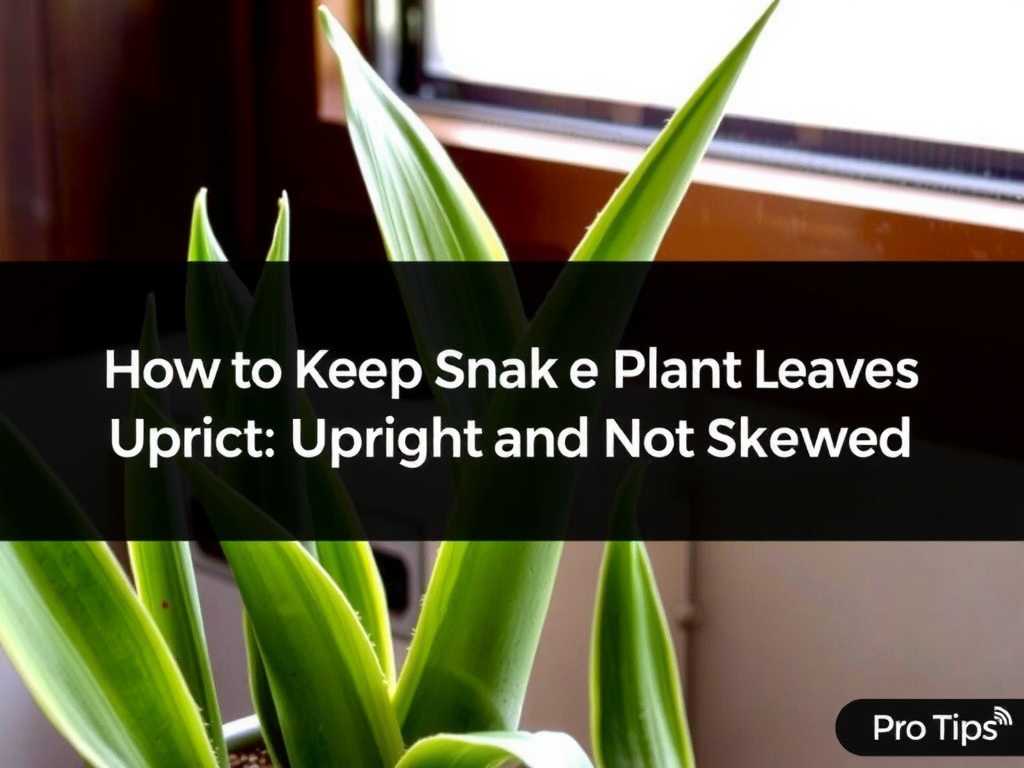
A hallmark of a healthy snake plant is its rigid, sword-like posture. Leaves should stand proud with minimal support. My light-deprived plant developed leaves that felt less firm. Some of the newer, stretched leaves even began to bend or flop over, unable to support their own weight. This loss of turgor pressure and structural strength is a result of inadequate energy to build robust tissues.
My 2-Week Rescue Experiment and Observations
After identifying these signs, I decided to conduct a structured two-week experiment to confirm the diagnosis and begin rehabilitation. I moved my struggling ‘Laurentii’ from its dark corner to a spot about 6 feet back from a large, east-facing window. This provided plenty of bright, indirect light with no direct sun rays hitting the leaves (which can cause scorching).
Week 1: The Adjustment Period The first few days were about monitoring for shock. I resisted the urge to water, as the soil was still moist. By day 5, I observed a subtle but perceptible change: the leaves seemed ever-so-slightly more upright. The most significant change, however, was in the soil moisture. For the first time in weeks, the top inch of soil began to feel dry. This confirmed my theory—the plant was starting to “drink” again as its metabolism perked up with increased light.
Week 2: Early Signs of Recovery Entering the second week, the color of the leaves appeared marginally richer. The pale yellow tinge on one leaf began to recede from the tips. While no new growth was visible (that takes longer), the overall posture of the plant improved. It looked less stressed and more stable. Crucially, a planned watering at the start of this week was fully absorbed, and the soil dried out on a normal schedule consistent with my other healthy plants.
The Pitfalls I Encountered and How I Solved Them
Pitfall 1: The Sudden Sunburn Scare In my initial enthusiasm, I made a classic mistake. I moved another low-light snake plant directly onto a south-facing windowsill. Within three days, I noticed ugly, crispy, brown spots on the leaves—sunburn. The American Horticultural Society (AHS) warns that plants acclimated to low light have reduced tolerance to intense direct sunlight. I solved this by immediately moving it back to bright, indirect light and trimming the scorched leaf tips for aesthetics. The lesson: Always acclimate your snake plant to more light gradually. Start in bright, indirect light and only introduce brief periods of mild direct morning sun if desired.
Pitfall 2: Overwatering During Recovery Because the plant was now in better light, I mistakenly thought it needed more frequent watering. This led to one leaf developing a soft, mushy base. I caught it early, unpotting the plant to check the roots. Fortunately, only a few small roots were affected. I let the root ball dry out thoroughly, removed the damaged material, and repotted into fresh, well-draining succulent mix. My fix was to strictly adhere to the “soak and dry” method, only watering when the soil was completely dry all the way to the bottom of the pot, and always checking with a finger or moisture meter first.
Optimizing Light for a Thriving Snake Plant
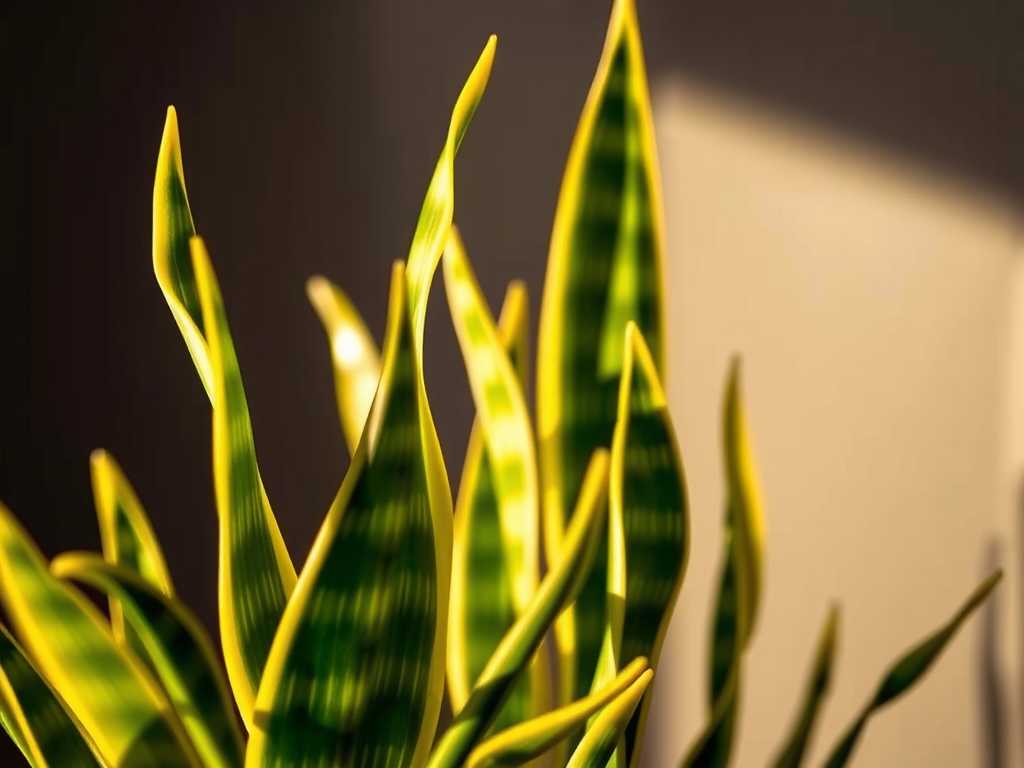
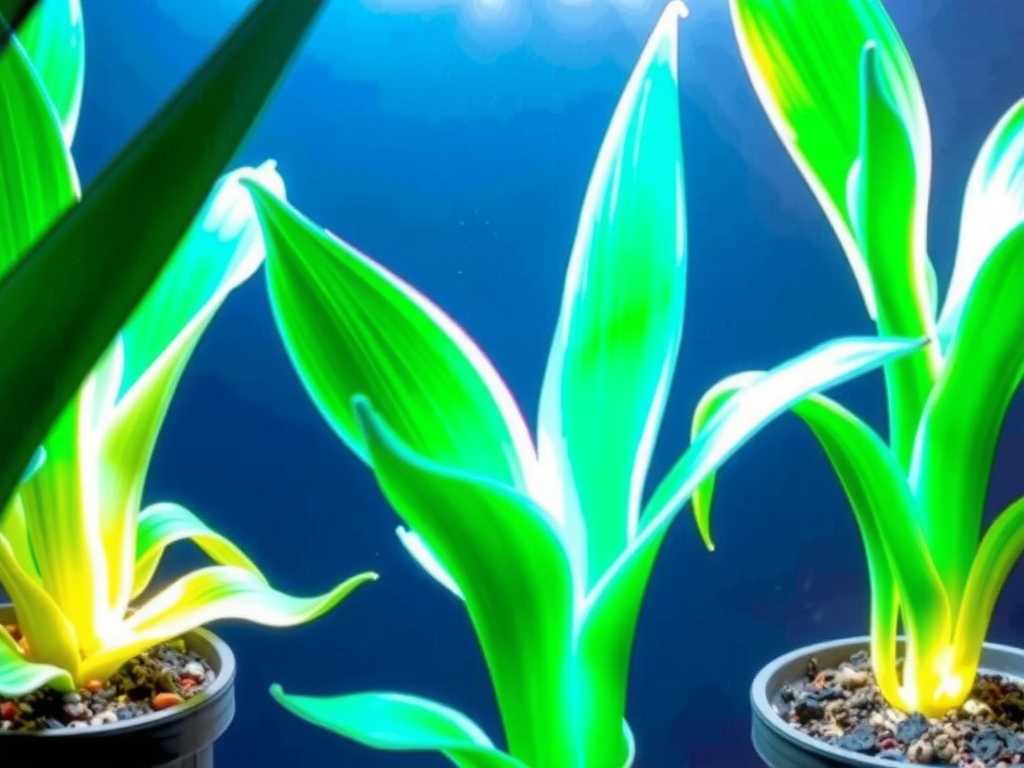
Finding the perfect spot is key. Bright, indirect light is the gold standard. An east-facing window is ideal, or a spot near a south/west window filtered by a sheer curtain. If you only have lower light, that’s okay, but manage your expectations: growth will be very slow, and you must water much less frequently. For homes with minimal natural light, consider using a full-spectrum LED grow light. I’ve successfully used a simple, low-wattage bulb placed about 12-18 inches above my plants for 10-12 hours a day to supplement during dark winters, with excellent results in maintaining color and firmness.
How often should I water my snake plant in low light versus bright light? This is the most critical adjustment. In low light, watering might be needed only once every 4-6 weeks, or even longer in winter. In bright, indirect light, you may water every 2-3 weeks during active growth. Always, always let the soil dry out completely between waterings. The pot’s weight and a moisture probe are more reliable than a calendar.
Can a snake plant recover from severe etiolation (stretching)? The existing stretched leaves will not shrink or revert to a compact form. The recovery lies in the new growth. With improved light, any new leaves that emerge will grow in compact and strong. For aesthetic purposes, you can propagate the healthy top sections of the elongated leaves, but the original plant’s silhouette will be permanently changed.
Are brown tips always a sign of too much light? Not necessarily. While direct sun can cause scorched patches, brown tips are more commonly linked to low humidity, inconsistent watering (both over and under), or a buildup of salts and minerals from tap water. It’s important to assess your plant’s overall condition and light exposure before jumping to conclusions.
Recognizing your snake plant’s need for more light transforms your care routine from guesswork to a confident practice. The signs—stretching, fading, slow growth, and persistent wet soil—are its way of communicating. My two-week experiment proved that a simple change in placement can kickstart recovery, but patience and avoiding common pitfalls like sudden sun exposure are crucial. By listening to these visual cues and providing that sweet spot of bright, indirect light, you’ll unlock your snake plant’s true potential, turning a survivor into a spectacular, thriving centerpiece.
发表评论