 admin
admin How to Fix Black Roots in Hydroponic Snake Plants: Easy Remedies
Discovering black roots on your hydroponic snake plant can be alarming. That vibrant, low-maintenance plant you love suddenly shows signs of distress beneath the waterline. Don't panic. Black roots are a common issue in water-based growing systems, but they are often a symptom, not a death sentence. Understanding the root cause—whether it's rot, algae, or a chemical imbalance—is the first step toward recovery. This guide will walk you through simple, effective remedies to restore your plant's health and prevent the problem from recurring. With prompt action and the right care, your snake plant can bounce back stronger than ever.
Understanding the Problem: What Black Roots Mean
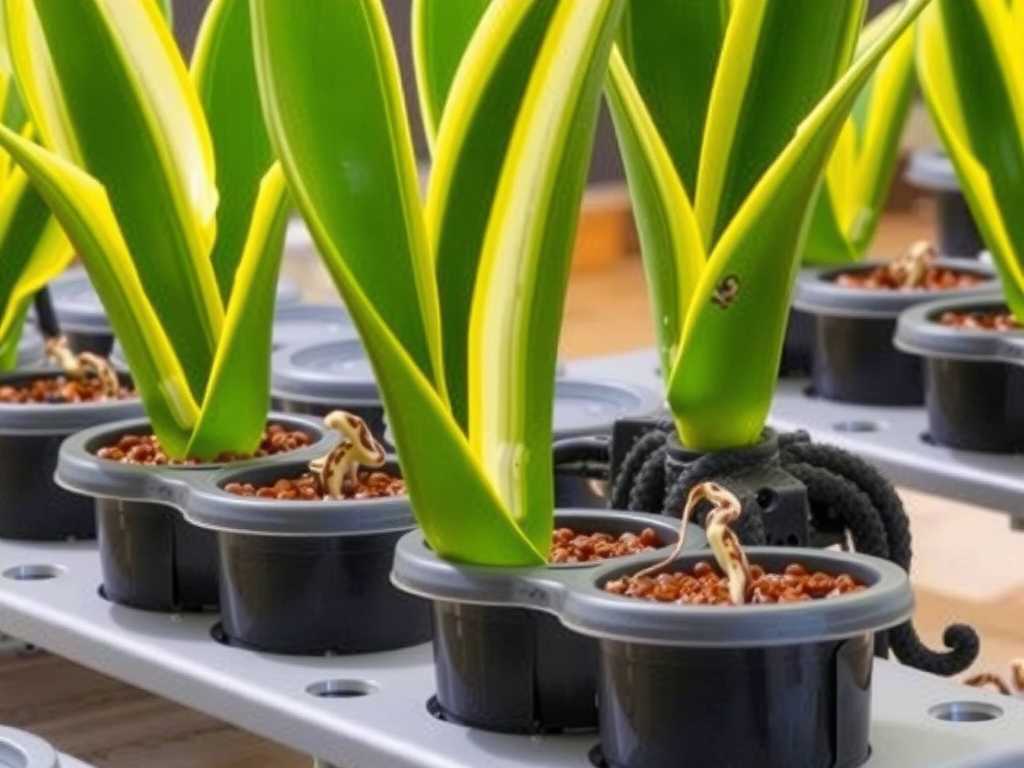
Healthy snake plant roots in a hydroponic setup are typically firm and range in color from white to a creamy tan, often with distinctive orange tips. Black roots signal that something in your system is out of balance. The discoloration usually points to one of three main issues: root rot, algal growth, or chemical burns from nutrient solutions.
Root rot is the most serious cause. It's a fungal or bacterial infection that thrives in stagnant, oxygen-poor water. The roots turn mushy, slimy, and black, and may emit an unpleasant odor. Algae growth, often green or brownish-black, can coat the roots, blocking light and competing for oxygen and nutrients. Finally, overly concentrated fertilizer or a buildup of salts can "burn" the roots, causing dark, brittle patches.
Immediate Action: Diagnose and Rescue Your Plant
Before you apply any remedy, you need to assess the situation. Gently remove your snake plant from its hydroponic vessel.
- Inspect and Smell: Healthy roots are firm. Gently squeeze them. If they feel soft, mushy, and fall apart easily, you're likely dealing with root rot. A foul, decaying smell confirms it. If the roots are firm but coated in a slimy film, algae might be the culprit. Dark, dry, and crispy roots often point to chemical burn.
- Perform Root Surgery: Using a pair of clean, sharp scissors or pruning shears, cut away all black, mushy, or severely damaged roots. Sterilize your tools with rubbing alcohol between cuts to prevent spreading pathogens. Be ruthless—only firm, healthy tissue should remain. It's better to have fewer healthy roots than many infected ones.
- Clean the Plant and Container: Rinse the remaining root system under lukewarm water to wash away any debris or algal film. Thoroughly scrub the hydroponic container, any support pebbles (like LECA), and all tools with a mild bleach solution (1 part bleach to 9 parts water) or hydrogen peroxide to kill any lingering pathogens. Rinse everything extremely well.
Effective Remedies to Treat and Prevent Black Roots
Once you've cleaned up the plant, choose a treatment based on your diagnosis and transition it back to a healthy environment.
Hydrogen Peroxide Treatment Hydrogen peroxide (H₂O₂) is a powerhouse for hydroponic growers. It adds oxygen to the water, kills anaerobic bacteria and fungi, and can help cleanse algae. For a root soak, mix a solution of one part 3% hydrogen peroxide with four parts water. Let the plant's roots soak in this bath for 20-30 minutes. This will help disinfect any remaining tissue. When you return the plant to its system, you can add a few milliliters of 3% H₂O₂ per gallon of fresh water as a preventative measure for the first week.
Optimize Your Hydroponic Environment Treatment is only half the battle. Correcting the environment that caused the problem is key to long-term health.
- Oxygenate the Water: Stagnant water is a root's worst enemy. If you're using a passive system (like a simple vase), change the water every 7-10 days without fail. For a more robust solution, consider adding a small aquarium air pump and air stone. The constant bubbles dramatically increase dissolved oxygen, preventing rot and promoting strong root growth.
- Manage Light Exposure: Algae need light to grow. Use an opaque or dark-colored container to block light from reaching the water and roots. If your container is clear, simply placing it inside a decorative opaque pot can solve the problem.
- Balance Nutrients: More is not better. Snake plants are light feeders. Use a hydroponic nutrient solution at half the recommended strength, and only during the active growing season (spring and summer). In fall and winter, use plain, fresh water. Always use pH-balanced water (aim for 5.5 to 6.5) to ensure your plant can actually absorb the nutrients you provide.
Transitioning to a More Resilient Setup If root rot was severe, consider a semi-hydroponic transition. Plant your snake plant in sterile, inorganic media like LECA (clay pebbles) or perlite within a net pot. This setup allows for excellent air circulation around the roots while still utilizing a water reservoir below. It provides more stability and oxygen than roots suspended directly in water, reducing the risk of future rot.
Can a snake plant recover from black roots? Yes, absolutely. Snake plants (Sansevieria) are remarkably resilient. If you catch the problem early and remove all the rotted tissue, the plant will often produce new, healthy roots from the remaining rhizome or stem. Recovery can take several weeks to a few months. Be patient, provide optimal conditions, and avoid overhandling the plant during this time.

How often should I change the water in my hydroponic snake plant? For a simple water culture setup, you should change the water completely every 7 to 10 days. This prevents the buildup of pathogens, algae, and excess minerals. When you change the water, rinse the roots gently and clean the container. If you have an air stone providing constant oxygenation, you can potentially extend this to every 2 weeks, but regular changes are still the best practice for plant health.
What is the best fertilizer for hydroponic snake plants? Use a balanced, water-soluble hydroponic fertilizer. A formula with an equal NPK ratio (like 10-10-10 or 5-5-5) is suitable. The critical rule is to dilute it to half the strength recommended on the label. Snake plants are native to arid regions and are adapted to poor soil, so they require minimal feeding. Fertilize only once a month during the spring and summer, and withhold fertilizer entirely in the fall and winter.
Black roots are a clear message from your plant that its current environment needs adjustment. Success lies in swift diagnosis, careful removal of damaged parts, and a commitment to improving the core growing conditions. By prioritizing oxygen, controlling light, and feeding sparingly, you create a foundation where healthy, white roots can thrive. Your hydroponic snake plant doesn't just survive—it flourishes, bringing clean, architectural beauty to your space with newfound resilience.
发表评论