 admin
admin How to Prevent and Control Damping-Off Disease for Snake Plant Cuttings
There’s nothing more frustrating for a plant enthusiast than watching your promising snake plant cuttings, full of potential, suddenly collapse. One day they look healthy, and the next, they’re mushy, discolored, and lifeless at the soil line. This common heartbreak is often caused by a stealthy enemy: damping-off disease. This guide is your comprehensive resource for understanding, preventing, and controlling damping-off in snake plant cuttings, ensuring your propagation efforts lead to thriving, robust plants.
Understanding Damping-Off: The Silent Cuttings Killer
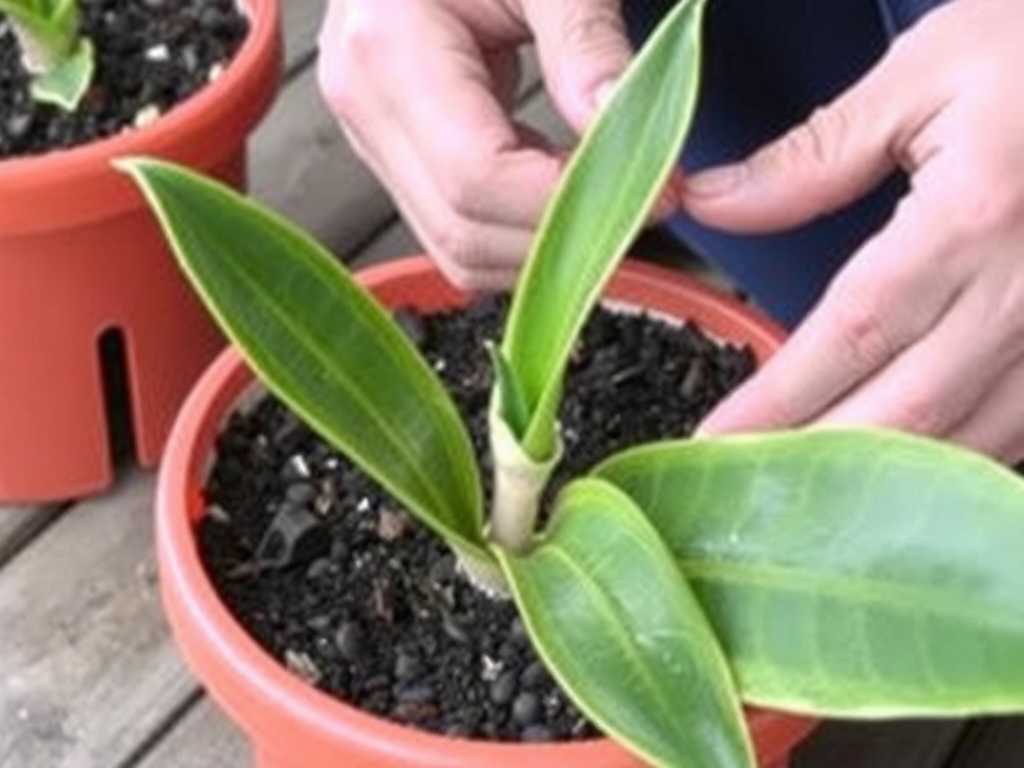
Damping-off isn't a single disease but a term for a variety of fungal and water mold pathogens, primarily Pythium, Rhizoctonia, and Fusarium. These organisms live in soil, water, and even on tools, waiting for the perfect damp, cool conditions to attack. Snake plant cuttings are particularly vulnerable during their rootless, early stages when they lack the defenses of an established plant.
The pathogens attack the tender stem at or below the soil surface, causing it to rot. You’ll first see a water-soaked, thin, or darkened area near the base. The cutting then topples over because its structural integrity is completely destroyed. It happens swiftly, often within 24 to 48 hours.
Proactive Prevention: Building a Strong Defense
The absolute best strategy for managing damping-off disease is to never let it start. Prevention hinges on creating an environment that is hostile to pathogens and supportive of your cuttings.
Start with Sterile Foundations
Every element that touches your cutting should be clean. This is the most critical step in disease prevention.
- Containers and Tools: Wash pots and trays with a 10% bleach solution or soapy hot water. Scrub all tools, including knives and shears, with rubbing alcohol before making each cut.
- Growing Medium: Never use garden soil or reused potting mix for cuttings. Opt for a sterile, well-draining medium. A mix of half perlite and half coconut coir or peat moss is excellent. According to horticultural pathologists, sterile soilless mixes significantly reduce the initial inoculum of damping-off pathogens.
- The Cutting Itself: Select healthy, firm leaf sections from a disease-free mother plant. Use a clean, sharp blade to make your cuts.
Master the Art of Watering
Overwatering is the primary trigger for damping-off. Your goal is to provide just enough moisture to encourage root growth without waterlogging the medium.
- The Initial Watering: After planting your cuttings, water the medium thoroughly until it drains. This settles the medium around the cutting.
- The Waiting Game: Before watering again, allow the top inch of the medium to dry out completely. You can check by feeling it with your finger. The bottom layer will remain slightly moist, which is ideal.
- Water Quality: Use room-temperature water. If possible, use distilled or filtered water to avoid introducing pathogens sometimes found in tap water.
Optimize Environmental Conditions
Pathogens thrive in stagnant, cool, humid air. Adjust the environment to favor your cuttings.
- Warmth: Maintain a consistent temperature between 70-80°F (21-27°C). Using a seedling heat mat can provide gentle bottom warmth, encouraging faster rooting and creating less favorable conditions for cool-loving fungi.
- Airflow: Provide gentle air circulation. A small oscillating fan on low, placed at a distance, can dramatically reduce surface humidity around the cuttings without drying them out. Avoid placing cuttings in stagnant, closed terrariums.
- Light: Provide bright, indirect light. Direct hot sun can scorch cuttings, but insufficient light weakens them, making them more susceptible to disease.
Effective Control Measures at the First Sign
If you notice the early symptoms—slight wilting or a dark spot at the base—act immediately. There is no cure for a severely rotted cutting, but you may save others.
Isolate and Remove Immediately remove the affected cutting and the portion of the medium it was in. Isolate the entire tray from your other plants to prevent potential spread.
Apply a Natural Fungicide For cuttings showing very early signs or as a preventative dip, natural options can help.
- Cinnamon: A light dusting of powdered cinnamon on the cut end and soil surface is a mild antifungal.
- Chamomile Tea: A cooled, brewed cup of chamomile tea can be used to water cuttings. It has natural antifungal properties.
- Hydrogen Peroxide: A diluted solution (1 part 3% hydrogen peroxide to 4 parts water) can be used to water the medium. It adds oxygen and helps combat anaerobic pathogens.
Consider a Commercial Fungicide For persistent problems, a commercial biological fungicide containing Bacillus subtilis or Trichoderma harzianum can be highly effective. These are beneficial bacteria and fungi that outcompete and attack the damping-off pathogens. They are considered safe and organic. Always follow the label instructions for drench applications.
Best Practices for Propagating Snake Plant Cuttings
Integrating these prevention steps into your standard propagation routine is key.
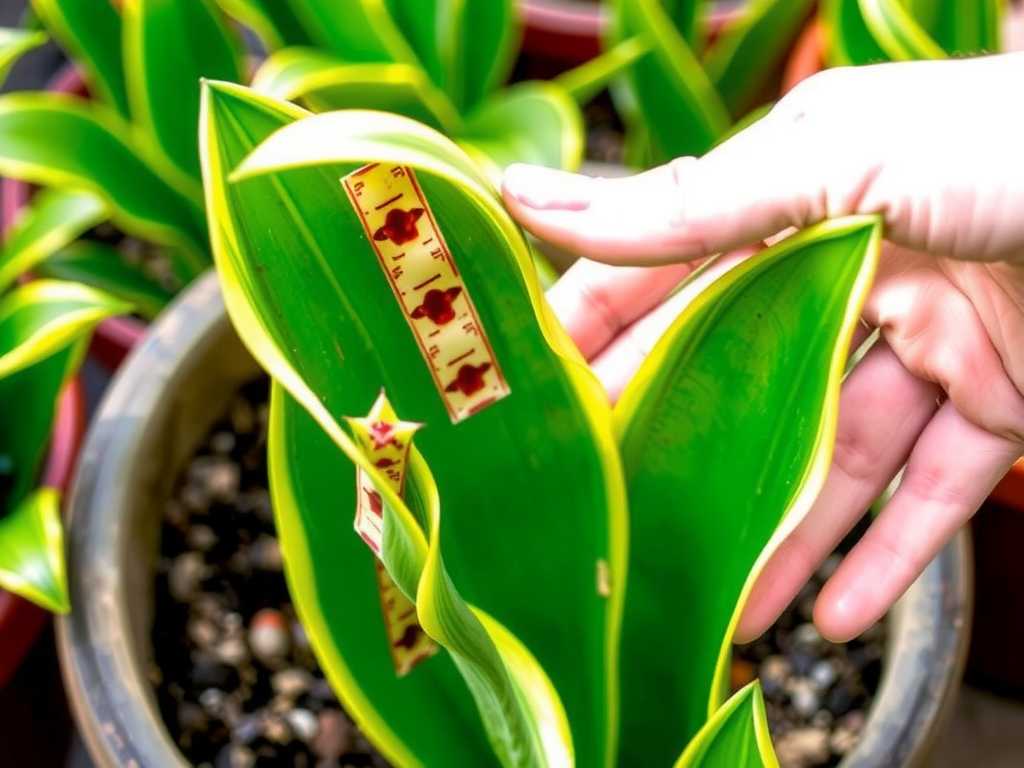
The Correct Cutting and Callousing Method Use a clean knife to cut a healthy leaf into 3-4 inch sections. Mark the "bottom" end. Crucially, allow the cut ends to callous over (dry and form a seal) for 1-3 days in a dry, airy spot before planting. This callous acts as a natural barrier against rot.
Choosing the Right Propagation Medium While water propagation is popular, it carries a higher risk of bacterial soft rot, which is similar to damping-off. For soil propagation, ensure your mix is airy. You can even propagate directly in a very coarse material like perlite, which holds minimal moisture.
Monitoring and Patience Check your cuttings every few days for signs of growth or distress. Remember, snake plants are slow to root. Patience is essential. Resist the urge to overwater or unpot them to check for roots, as this can cause damage and introduce infection.
Frequently Asked Questions
Can a snake plant cutting recover from damping-off? Once the stem has become mushy and collapsed, the cutting cannot recover. The damage is structural and fatal. The focus must shift to immediately removing it to protect the remaining healthy cuttings.
Is it better to propagate snake plant cuttings in water or soil to avoid rot? Both methods have risks. Water can lead to bacterial rot. Soil can lead to fungal damping-off. Success in either method depends overwhelmingly on hygiene and proper technique. Soil propagation with a sterile, fast-draining mix and careful watering often provides more stable results by encouraging stronger root adaptation from the start.
I’ve lost multiple batches to damping-off. How do I completely sterilize my setup? Conduct a full reset. Discard all old potting mix. Soak pots and trays in a 10% bleach solution for 30 minutes, then rinse thoroughly. Wipe down all surfaces in your work area. Use brand-new, bagged sterile propagation mix. Dip your cutting tools in rubbing alcohol between each cut. Start with fresh cuttings from a different, healthy mother plant if possible.
Successfully propagating snake plant cuttings is incredibly rewarding. By understanding that damping-off is an environmental disease, you shift the focus from reactive treatment to proactive environmental control. Sterility, meticulous watering, and providing warm, moving air are your most powerful tools. Implementing these strategies creates a foundation where your cuttings can develop roots vigorously and naturally, free from the threat of sudden collapse. Your patience and care will be rewarded with a collection of resilient, new snake plants.
发表评论