 admin
admin How to Use Grow Lights for Snake Plants: A Step-by-Step Guide
I’ve been a proud plant parent for years, but my apartment has always been a challenge. North-facing windows and deep rooms meant my beloved snake plants, those champions of low light, were starting to look a bit… sad. They weren’t dying, but the growth had completely stalled, and some of the vibrant variegation on my ‘Laurentii’ was fading. I knew they needed more light, but moving wasn’t an option. That’s when I decided to seriously figure out how to use grow lights for snake plants. If you’re in a similar boat, watching your resilient sansevieria just survive rather than thrive, this guide is for you. I’ll walk you through exactly what I did, the mistakes I made along the way, and the clear results I saw after a dedicated two-week trial.
Understanding Your Snake Plant's Light Needs
First, let’s ditch a common myth. While snake plants are incredibly tolerant of low light, they don’t prefer it. In their natural habitat, they receive bright, indirect light. According to the Royal Horticultural Society (RHS), Sansevieria species perform best in good, indirect light which supports stronger growth and helps maintain leaf patterns. The American Horticultural Society’s AHS Heat Zone Map, while focused on temperature, reminds us that most houseplants, including snake plants, originate from regions with consistent, bright days.
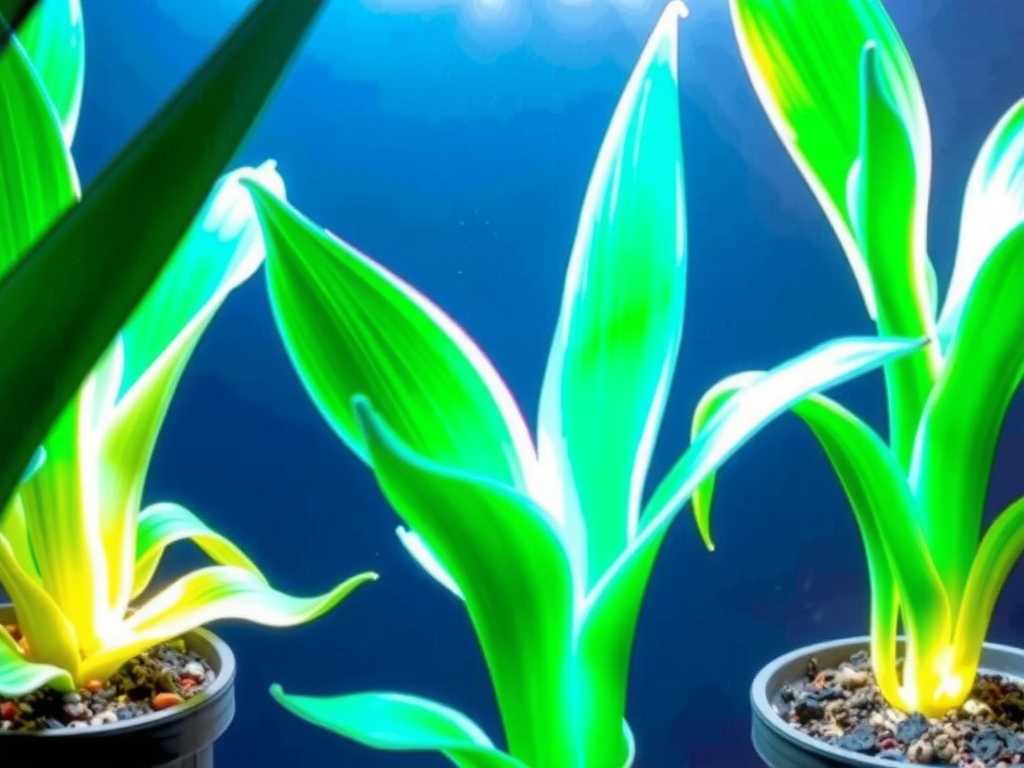
Without sufficient light, photosynthesis slows down. The plant focuses its energy on mere survival, not new growth. You might notice:
- Stretched, leggy leaves as the plant reaches for any light source.
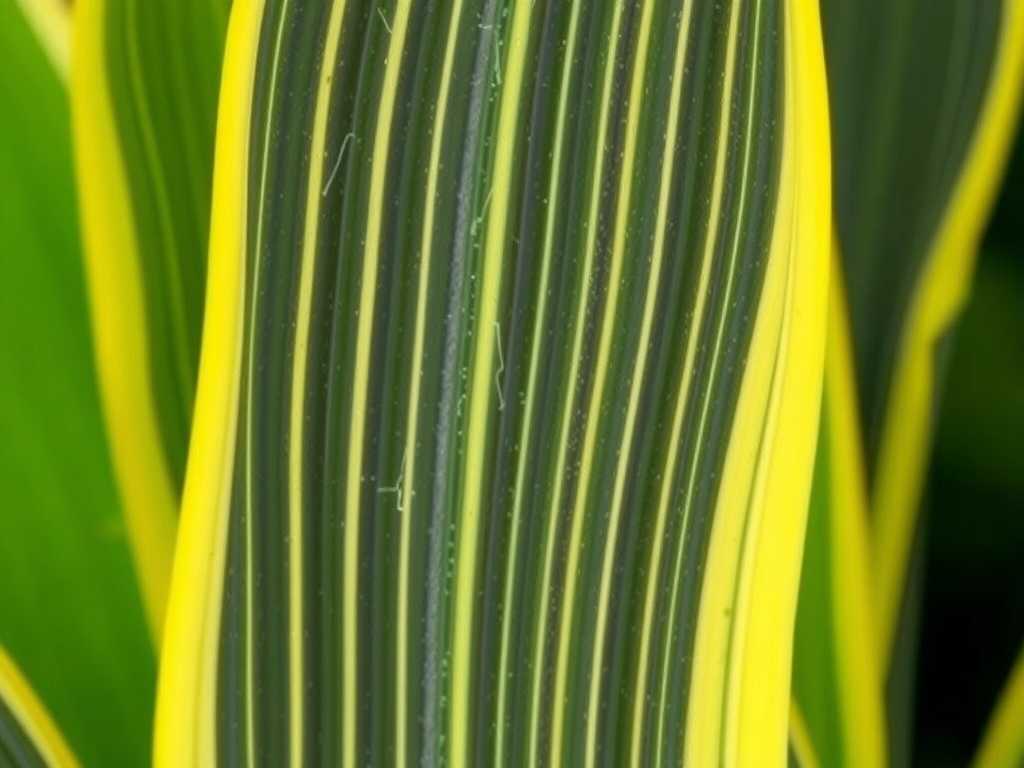
- Fading or loss of the beautiful yellow or silver variegation.
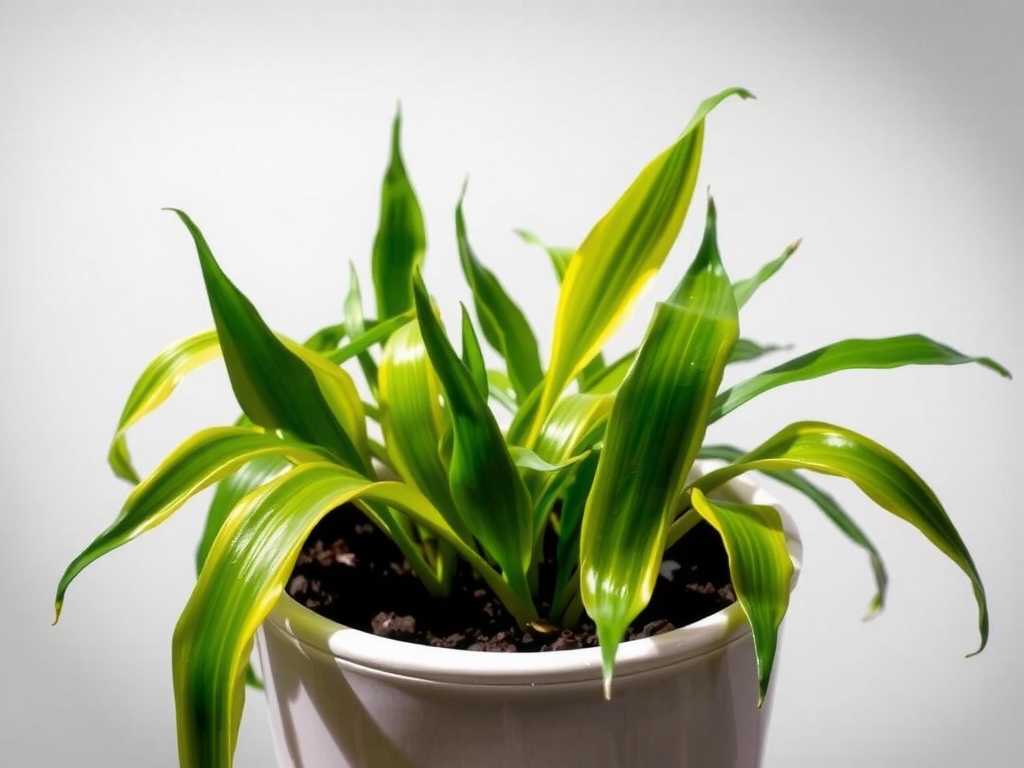
- Soft, weak leaves that may flop over.
- A complete halt in producing new shoots (pups).
My plants were showing the first two signs, which was my cue to act. A quality grow light setup became my solution to mimic their ideal conditions.
Choosing the Perfect Grow Light: My Research and Selection
The market is flooded with options, from purple LED panels to giant stand lights. It’s overwhelming. Here’s what I learned matters most for snake plants:
Light Spectrum: Plants primarily use blue and red light for growth. Blue promotes strong leaf development, while red encourages rooting and flowering. I opted for a full-spectrum LED grow light, which appears as white light with a slight pink hue. It’s pleasant for my living space and provides a balanced spectrum. The RHS notes that modern full-spectrum LEDs are highly effective and energy-efficient for supplemental lighting.
Light Intensity (PPFD): This gets technical, but it’s crucial. PPFD measures how many light photons hit the plant. Snake plants, being moderate-light plants, don’t need the intense levels required for tomatoes. I looked for a light that could deliver a PPFD of around 50-150 µmol/m²/s at the distance I planned to hang it. Many reputable manufacturers provide these charts.
Coverage Area: My collection was spread across a shelf. A single bulb wouldn’t cut it. I chose a 2-foot long LED bar light that could evenly cover several plants at once.
My Choice: After comparing, I selected a 24-inch, full-spectrum LED grow light bar with a dimmer and a built-in timer. The dimmer was key—it allowed me to adjust intensity without changing the light height. The timer ensured consistency, which plants love.
The Step-by-Step Setup: What I Actually Did
Here is my practical, tested process for setting up grow lights for indoor plants like snake plants.
1. Cleaning and Assessment: I started by gently wiping down every leaf of my snake plants with a damp cloth. Dust blocks light! This let me clearly see their current condition—slight fading, no pests, dry soil.
2. Positioning the Light: This is where I made my first mistake. Initially, I hung the light too close, about 6 inches above the plants, thinking “more light is better.” Within a few days, I noticed the very tips of a few leaves looking slightly bleached. I corrected it by moving the light to a consistent height of 12 to 18 inches above the tallest leaf. This provided strong, indirect light without risk of leaf burn.
3. Setting the Timer: Consistency is everything. Snake plants need a period of darkness. I set my timer to provide 12 hours of light, from 7 AM to 7 PM, mimicking a natural day cycle. I avoided running it 24/7, as plants need a rest period for respiration.
4. Adjusting My Watering Routine: This is the most critical adjustment and a common pitfall. Under grow lights, your snake plant will photosynthesize more and therefore use water more efficiently. I stuck my finger into the soil before my usual weekly watering and found it was still very moist. I switched to watering only when the soil was completely dry down to about two inches—which stretched to nearly 2.5 weeks. Overwatering is the fastest way to kill a snake plant, especially under lights.
My 2-Week Observation Diary
I kept a simple log to track changes. Remember, plants don’t change overnight, but two weeks can show promising signs.
- Days 1-3: No visible change. The plants seemed to be “waking up” under the new light source.
- Days 4-7: I noticed the leaves, especially on my ‘Moonshine’ snake plant, seemed to have a deeper, more uniform green color. The soil was drying noticeably faster.
- Days 8-10: The most exciting development! On my established ‘Laurentii’, I spotted the tight, pointed tip of a brand new pup (a baby plant) emerging from the soil line. This was the first new growth in over a year.
- Days 11-14: The new pup had grown about half an inch. The overall posture of all the plants looked more upright and robust. The slight leaf tip bleaching from my initial too-close light placement had stopped progressing after I adjusted the height.
The takeaway? The right indoor plant lighting strategy doesn’t just prevent decline; it actively stimulates growth and vitality.
Common Problems and How I Fixed Them
Even with planning, I hit snags. Here’s what to watch for:
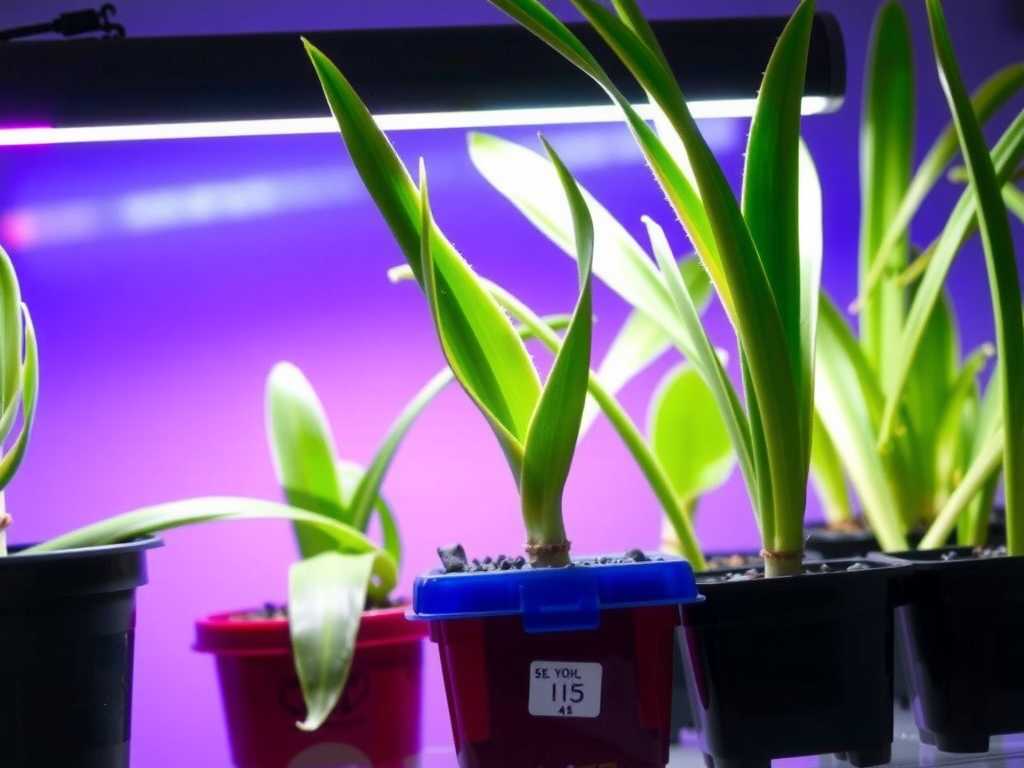
Problem 1: Leaf Discoloration or Bleaching. As mentioned, my light was too intense. Solution: I moved the light higher and used the dimmer to reduce intensity by about 25%. The bleaching stopped immediately.
Problem 2: The Plant is Still Not Growing. If after 3-4 weeks there’s no change, check two things. Solution: First, ensure your light is strong enough and on for 10-12 hours. Second, and most likely, reevaluate your watering. I was still overwatering out of habit. Let the soil dry out thoroughly.
Problem 3: Leggy, Reaching Growth. This means the light isn’t intense enough. Solution: Lower the light fixture (carefully, to avoid burn) or invest in a unit with a higher PPFD output. Ensure the plant isn’t off to the side, out of the light’s main coverage area.
Integrating Grow Lights into Your Care Routine
Grow lights are a tool, not a set-and-forget solution. They work in tandem with your other care habits.
- Fertilizing: With boosted growth, you can fertilize lightly during the growing season (spring/summer). I use a diluted, balanced liquid fertilizer every other month now, but never in winter.
- Rotation: Every time I water, I give the pot a quarter turn. This ensures all sides of the plant receive even light, promoting symmetrical growth.
- Seasonal Adjustments: In the darker winter months, I might run the lights for an extra hour. In summer, if the room gets good natural light, I might reduce the duration.
How far should grow lights be from snake plants? This depends on your light’s intensity. Start between 12 to 24 inches away. Watch for signs of stress (bleaching means too close, stretching means too far). My sweet spot for a medium-strength LED bar is 15 inches.
Can I use a regular LED light bulb as a grow light? You can, but it won’t be as effective. Regular LEDs lack the optimized spectrum for plant growth. They might keep a plant alive, but a full-spectrum grow light will help it thrive. The energy efficiency and low heat output of dedicated LED grow lights make them the superior choice.
How long should I leave the grow light on each day? Aim for 10 to 12 hours. I use a timer set for 12 hours to provide a consistent daily cycle. Never leave them on 24/7—plants need a dark period just as we need sleep.
Seeing that new green pup emerge from the soil was all the confirmation I needed. Using grow lights transformed my snake plants from static decor into actively growing, vibrant living things. It required a bit of initial research, careful setup, and a willingness to adjust my habits—especially watering. But the process was straightforward. By choosing the right full-spectrum light, positioning it carefully, and letting the plant’s response guide you, you can give your snake plants the energy they need to truly flourish, no matter how dim your corner of the world is. Start with one light, observe closely, and enjoy the growth.
发表评论