 admin
admin How to Prevent Snake Plants from Strong Summer Sunlight Exposure: A Gardener's Survival Guide
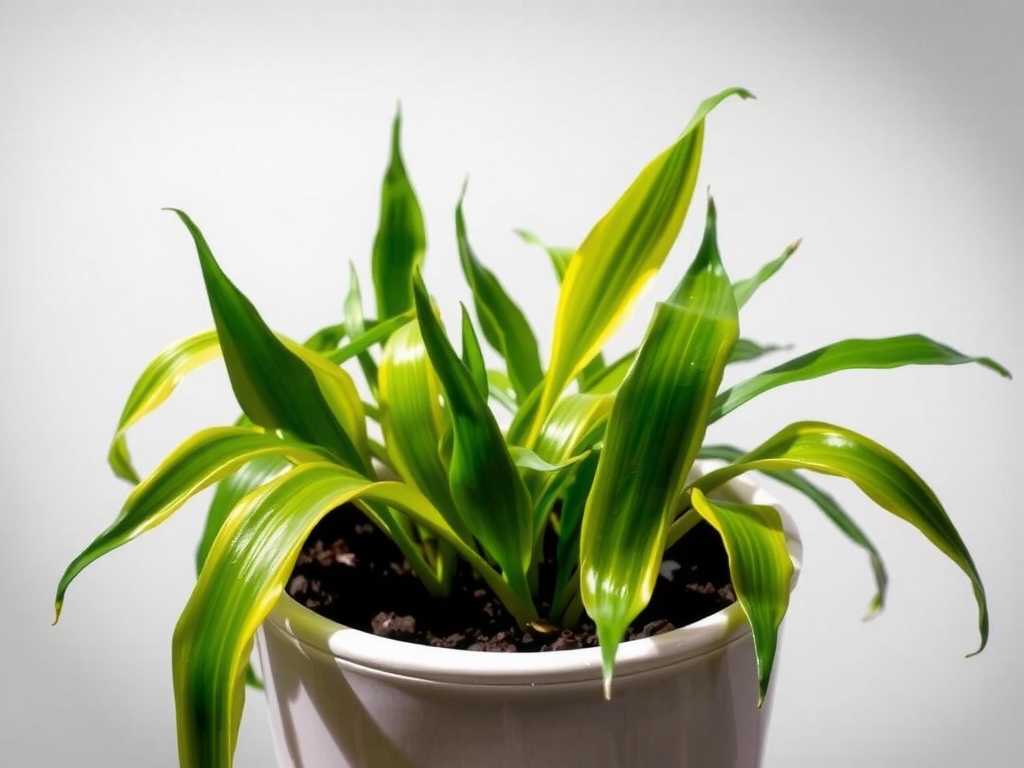
I’ve always considered my snake plants to be the ultimate survivors. They’ve thrived through my occasional forgetfulness with watering and adapted to various corners of my home. That’s why I was completely shocked last summer when I noticed the telltale signs of sunburn on my favorite Sansevieria trifasciata ‘Laurentii’. Its normally vibrant, sword-like leaves had developed crispy, brown patches and a washed-out, pale appearance. The plant wasn’t dying, but its majestic beauty was clearly compromised. This personal mishap sparked a mission: to understand exactly how to prevent snake plants from strong summer sunlight exposure and share a practical, tested plan. Over the next two weeks, I became a sunlight detective for my plants, implementing solutions and meticulously observing their recovery. What follows is my real-world journey from sunburn crisis to a thriving, protected indoor jungle.
Understanding the Sunburn Problem: More Than Just a Cosmetic Issue
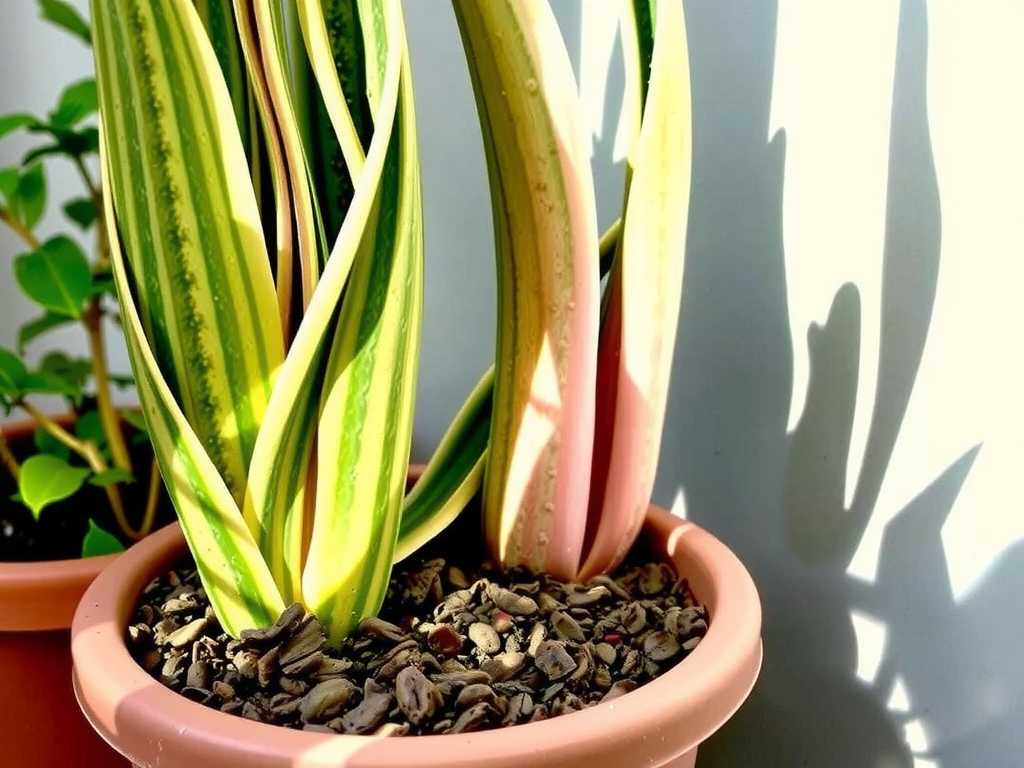
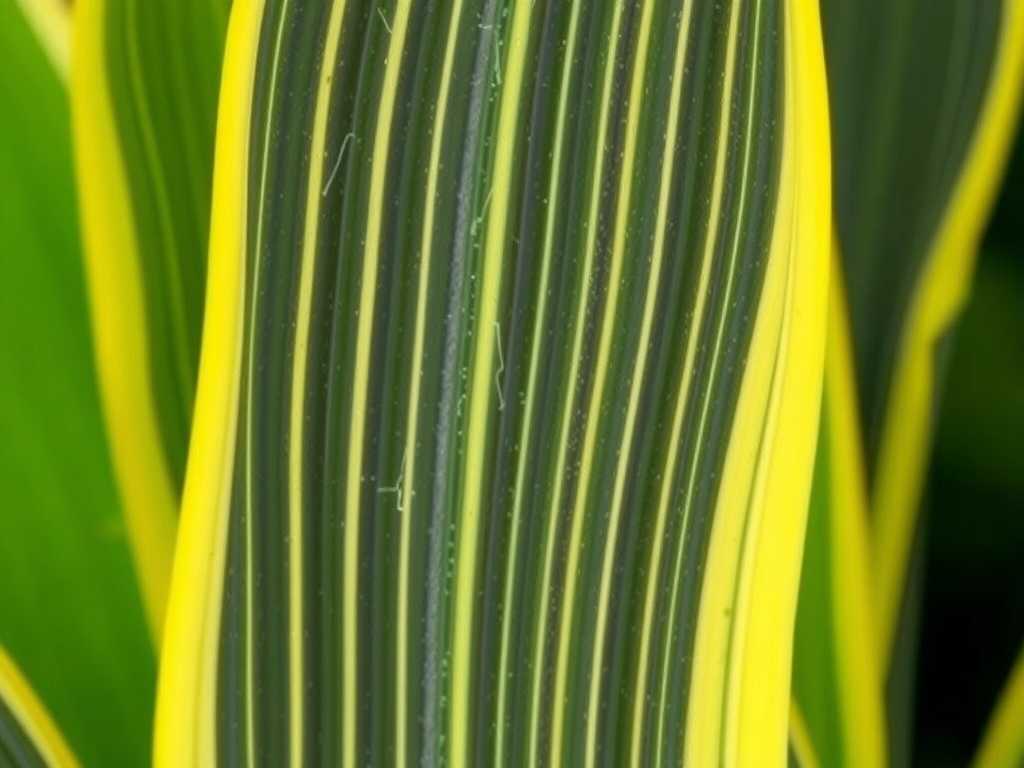
Most care guides will casually mention that snake plants prefer “bright, indirect light.” But what does that really mean during the intense, high-angle sun of July and August? The truth is, while snake plants are tolerant of some direct sun, the prolonged, unfiltered intensity of summer rays is a different beast. The damage occurs because the plant’s cells literally cook under the extreme heat and light intensity, leading to cellular death. According to the Royal Horticultural Society (RHS), symptoms of sun scorch include “bleached, pale or brown patches on leaves, often with a crispy texture.” This aligns perfectly with what I witnessed. It’s not just an aesthetic problem; these damaged areas are permanent, cannot photosynthesize effectively, and can become entry points for pathogens if the tissue rots.
My Two-Week Rescue and Prevention Protocol
Armed with knowledge, I moved my sunburned plant out of its south-facing windowsill immediately. But I didn’t stop there. I decided to apply a full prevention strategy to all my snake plants, turning my home into a controlled experiment zone. Here’s the step-by-step approach I followed, the results I saw, and the pitfalls I navigated.
Step 1: The Great Relocation and Light Assessment
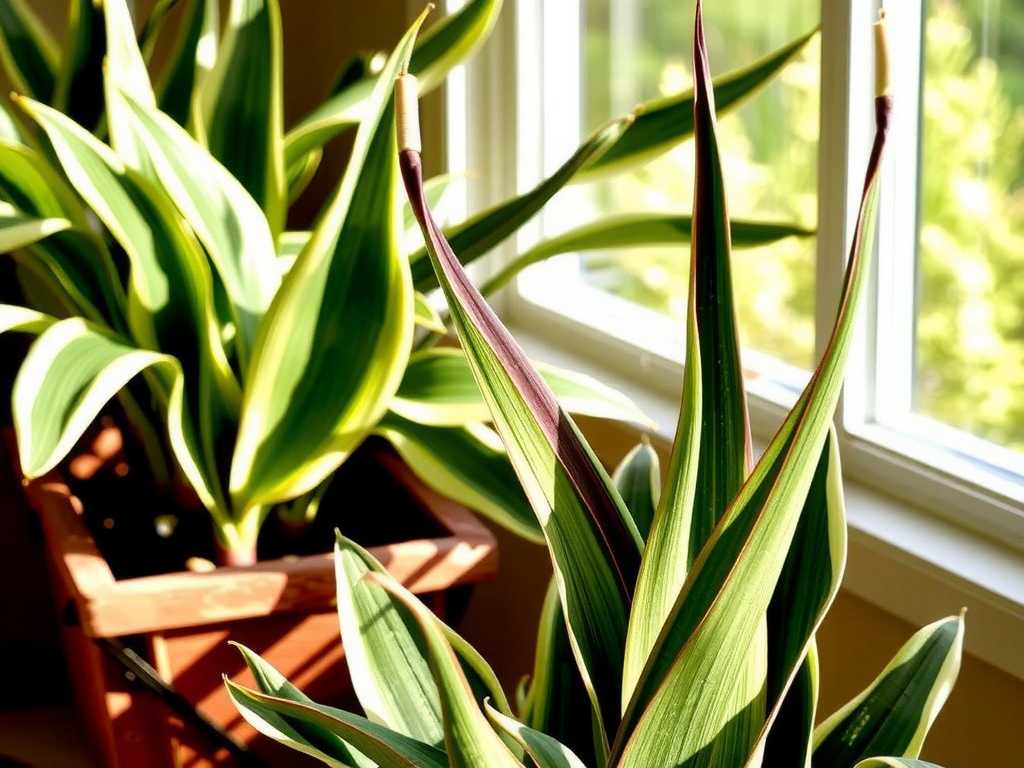
My first action was a thorough home audit. I identified which windows received harsh, direct sunlight and for how many hours. A south or west-facing window in summer can deliver 6+ hours of intense direct light—far too much for a snake plant’s liking.
What I Did: I relocated all my snake plants to spots receiving bright but filtered light. This included positions about 4-6 feet back from a south window, directly in front of a north-facing window, or to the side of an east-facing window where they only caught the gentle morning sun. I used a simple light meter app on my phone to compare intensity, which was a game-changer for objectivity.
The Two-Week Observation: Within the first 3-4 days, the progression of new sunburn spots on the affected plant completely halted. This was the first sign of success. By the end of week one, the undamaged portions of the leaves remained firm and deeply colored. The plant had stabilized.
The Pitfall & Solution: I initially placed one plant in what I thought was a perfect, bright corner, only to realize a glass vase on a shelf was acting like a magnifying glass, focusing a hot spot of light onto a single leaf. The solution was simple but crucial: I scanned the new location at different times of the day to check for reflective surfaces or unexpected light beams.
Step 2: Employing Creative Light Filtering Techniques
Sometimes, moving a plant isn’t an option, especially if it’s a large floor specimen or part of a specific room design. This is where filtering becomes essential.
What I Did: For the snake plants I wanted to keep near sunny windows, I introduced barriers. I installed a sheer, light-diffusing curtain on my largest south window. For another, I used a strategically placed taller, more sun-tolerant plant (a fiddle leaf fig) to cast a partial shadow during the peak afternoon hours. I also tested static-cling window films that reduce UV and glare—a fantastic, permanent solution for renters.
The Two-Week Observation: The plants behind the sheer curtain showed remarkable improvement. Their growth didn’t stall; in fact, one put out a new, healthy pup. The leaves maintained a rich, dark green color without any hint of bleaching. The light was ample but softened, proving the concept of “bright, indirect light” perfectly.
The Pitfall & Solution: My first sheer curtain was too dense, making the room feel dark and potentially limiting light too much for other plants. The solution was to switch to a lighter, voile-style curtain that scattered the light beautifully without creating a gloomy atmosphere. It was about filtering, not blocking.
Step 3: Adjusting the Watering Rhythm (A Critical, Often Overlooked Step)
This was perhaps my most significant learning. A snake plant sitting in strong sun, even if not directly scorched, loses soil moisture much faster. However, its drought-tolerant nature means its watering needs don’t increase proportionally to, say, a fern.
What I Did: I did not start watering more frequently on a fixed schedule. Instead, I doubled down on the “soak and dry” method but checked soil moisture more often. I used a moisture probe or the classic finger test, watering only when the soil was completely dry all the way to the bottom of the pot. I also ensured every pot had excellent drainage to prevent any chance of root rot from a combination of heat and residual moisture.
The Two-Week Observation: This careful approach prevented a cascade of issues. The plants looked hydrated and plump without being waterlogged. I noticed that the plant recovering from sunburn used water slightly slower than its unaffected neighbors, likely because its damaged leaves were less active. Tailoring care to each plant’s condition was key.
The Results: Health Restored and Confidence Gained
After the full two-week period, the transformation was clear. The sunburned plant’s damage had calloused over and stopped spreading. The plant had redirected its energy, and I could see the promise of new growth at its base. All my other snake plants looked robust and vibrant, their patterns sharp and colors deep. More importantly, I now had a system: protect snake plants from summer sun through location, filtration, and mindful watering. I felt equipped to handle any season.
Leveraging Expert Authority for Best Practices
My experience is reinforced by expert bodies. The RHS consistently advises protecting indoor plants from “direct sunlight through glass, which can be magnified and cause scorching.” Similarly, the American Horticultural Society’s (AHS) heat zone map reminds us that indoor conditions are influenced by our outdoor climate. Their emphasis on microclimates within the home directly supports my approach of assessing light in each specific spot, not just by window direction. By combining this authoritative guidance with hands-on observation, we create a summer snake plant care routine that is both scientifically sound and practically foolproof.
Addressing Your Top Concerns
Can a sunburned snake plant leaf recover? No, the damaged, crispy, or bleached tissue is permanently scarred. The plant cannot repair those cells. However, the leaf will often continue to function from its healthy green parts. You can choose to leave it for photosynthesis or cut it off at the base if you find it unsightly. The plant will focus energy on new growth.
My home has very low light. Is some direct sun okay? Yes, this is a key nuance. In a typically low-light environment, a few hours of gentle morning (east-facing) direct sun can be beneficial and is unlikely to cause burn. The danger is prolonged, intense afternoon sun. Observe your plant: if the leaves start to yellow or bleach, it’s getting too much.
Are there snake plant varieties more tolerant of direct sun? Some varieties, like the cylindrical snake plant (Dracaena angolensis, formerly Sansevieria cylindrica) or those with lighter, variegated patterns, may be slightly more susceptible to burning as they have less protective chlorophyll. The darker green varieties like ‘Zeylanica’ or ‘Futura Superba’ can sometimes handle a bit more, but the prevention of excessive sunlight on snake plants remains the universal rule. No variety is truly sun-loving in the context of a hot summer window.
Watching my snake plants navigate a harsh summer taught me more than any generic care tag ever could. It reinforced that resilience doesn’t mean invincibility. These architectural beauties rely on us to interpret their environment. Shielding snake plants from harsh sun isn’t about coddling them; it’s about partnering with their natural adaptability. By mastering the trio of placement, filtration, and adjusted care, you can ensure your snake plants don’t just survive the summer, but display their striking, sculptural form in perfect health all year long. Start with a simple light audit today—your plants will thank you with years of steadfast growth.
发表评论