 admin
admin How to Prevent and Control Sooty Mold on Snake Plant Leaves: Easy Steps
You’ve been admiring your snake plant’s sharp, architectural leaves when you notice it: a dark, dusty, almost powdery black coating that won’t rub off easily. It’s not dirt, and your plant seems… off. This is sooty mold, and if you’re like I was, you’re worried it’s a death sentence for your resilient plant. I’ve been there, staring at my favorite Sansevieria, feeling that mix of concern and determination. The good news? Sooty mold itself isn’t a direct killer, but it’s a glaring red flag for a deeper issue. Over the next sections, I’ll walk you through exactly how I tackled this problem, step-by-step, based on my own two-week battle and the lessons I learned the hard way. This guide is for every plant lover who wants to restore their snake plant to its glossy, healthy glory.
Understanding the Real Enemy: It’s Not Just Mold
Before you start scrubbing leaves, you need to understand what you’re fighting. Sooty mold is a superficial black fungus that grows on a sticky substance called honeydew. This honeydew is the waste product of sap-sucking pests. So, the mold is just a symptom. The actual disease agents are the pests secreting the sugary feast the mold thrives on.
On snake plants, the usual culprits are mealybugs, scale insects, and spider mites. In my case, it was a nearly invisible infestation of scale. They blended perfectly with the leaf variegation! The mold blocks sunlight, hindering photosynthesis and slowly weakening the plant. According to the American Horticultural Society (AHS), persistent sooty mold coverage can lead to stunted growth and increased susceptibility to other diseases. So, our mission is two-fold: eradicate the pests and clean the mold.
My Step-by-Step Rescue Plan: Diagnosis to Recovery
I committed to a full two-week process to break the pest life cycle and restore my plant’s health. Here’s the exact sequence I followed.
Initial Isolation and Assessment
The very first thing I did was move the affected snake plant away from all my other houseplants. Sooty mold doesn’t jump, but the pests causing it certainly can. I placed it in a separate room with good light for inspection. Under a bright lamp, I saw them: small, brown, bump-like scales clinging to the leaf bases and undersides. The sticky honeydew made the leaves feel slightly tacky. This confirmed the root cause.
Step 1: The Physical Pest Removal
Armed with cotton swabs and a bowl of rubbing alcohol (isopropyl alcohol 70%), I got to work. I dipped each swab in alcohol and gently dabbed every single scale insect I could find. You hear a satisfying faint click when they detach. For larger areas, I used a soft cloth dipped in a soapy water solution (1 teaspoon of mild liquid castile soap per liter of water) to wipe down the leaves. This physically removes many pests and dissolves some of the honeydew. A crucial mistake I made here: I didn’t check the crevices at the very center where new leaves emerge. A few pests hid there and repopulated later. Be thorough!
Step 2: The First Thorough Cleaning
After removing visible pests, it was time to tackle the sooty mold layer. I took the plant to my shower and gave it a gentle, lukewarm rinse to loosen the grime. Then, I prepared my cleaning solution: 4 parts water to 1 part neem oil and a few drops of the same castile soap. The soap helps the solution emulsify and stick to the leaves. Using a new, soft microfiber cloth, I gently wiped every leaf, top and bottom. The neem oil acts as both a natural fungicide and a mild pesticide, disrupting any remaining pests. The black coating came off, revealing the beautiful green beneath. It was instantly rewarding.
Step 3: Introducing the Treatment Routine
Physical cleaning isn’t enough. You must address the hidden pests. I opted for an insecticidal soap spray, a recommendation often backed by resources like the Royal Horticultural Society (RHS) for soft-bodied pests. I sprayed every inch of the plant—especially the undersides and soil surface—until it dripped lightly. Here was my second pitfall: I only did this once. For success, you must repeat treatment. I set a schedule: treat every 4-5 days for two weeks. This breaks the life cycle of hatching nymphs that the first treatment missed. I applied this spray three times total over 12 days.
Step 4: Ongoing Monitoring and Adjustment
For two weeks, I inspected the plant daily under good light. I looked for new honeydew, moving pests, or fresh sooty spots. Around day 5, I spotted a few new mealybugs (a different pest attracted to the stressed plant!). I immediately spot-treated them with alcohol. This daily check is non-negotiable. I also held off on fertilizing and was careful with watering, as stressed plants need less, not more. I ensured it got bright, indirect light to support its recovery.
The Two-Week Results: What Actually Happened
By the end of the first week, the leaves were mostly clean and no new sticky residue appeared. After the final insecticidal soap application on day 12, the plant was pest-free. The sooty mold did not return because its food source (honeydew) was eliminated. The plant’s growth seemed paused initially, but by the end of the second week, I noticed a new, tight rosette of a leaf starting to push up from the soil—the ultimate sign of a happy, recovering snake plant. The process worked.
Long-Term Prevention: Keeping Your Snake Plant Sooty-Mold-Free
Treatment is reactive; prevention is proactive. Here’s what I changed in my care routine to ensure this never happens again.
Routine Inspection Becomes a Habit
Now, every time I water my snake plants (which is infrequently), I do a quick pest check. I look under leaves, along the margins, and in the central whorl. Early detection is the key to easy management.
Optimizing the Growing Environment
Sooty mold-loving pests often exploit stressed plants. I made sure my snake plant was in well-draining soil and that I never overwatered it—allowing the soil to dry completely between waterings. I also placed it in a spot with consistent, bright light. A strong plant is your best defense.
Proactive Cleaning and Quarantine
I wipe my snake plant’s leaves with a damp cloth every month or two to remove dust, which also disrupts any early pest activity. Most importantly, I now quarantine any new plant for at least two weeks before placing it near my collection. This simple step could have prevented my entire ordeal.
What if the sooty mold is very thick? For a heavy coating, increase the cleaning power. After a gentle shower rinse, use a solution of water with a small amount of horticultural oil or neem oil and gently wipe. Patience is key; you might need two cleaning sessions a few days apart. Avoid harsh scrubbing that damages the leaf’s cuticle.
Can I use homemade solutions like vinegar? I do not recommend vinegar on snake plant leaves. Vinegar is acidic and can easily burn or discolour the leaves, causing permanent damage. Stick with milder options like diluted soapy water, neem oil solutions, or approved insecticidal soaps, which are effective and much safer for the plant.
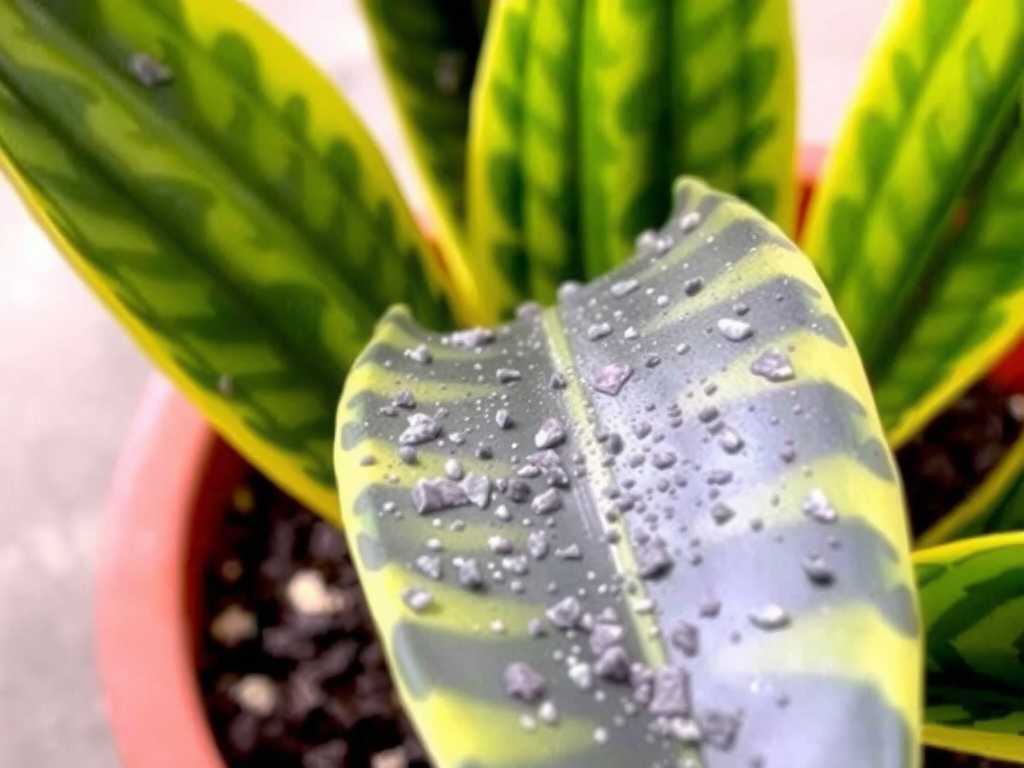
Will the sooty mold disappear on its own if I kill the pests? No, it won’t. The fungal layer clings tightly to the leaf. While killing the pests stops it from spreading, the existing black coating will remain, blocking light. You must physically wipe it off to restore the plant’s ability to photosynthesize efficiently and return to its aesthetic best.
Seeing that black sooty film can be alarming, but remember—it’s a solvable problem. The journey from a sooty, pest-ridden plant to a clean, thriving one took focused effort over two weeks, but it was absolutely worth it. The key is understanding the pest-mold connection, being relentless with your treatment schedule, and never skipping those daily inspections. Your snake plant is a survivor; with these easy steps, you’re simply giving it the support it needs to fight back and shine once more.
发表评论