 admin
admin How to Make Side Shoots of Snake Plants Grow Faster and Healthier
I’ve been there. You bring home a beautiful, full snake plant, and for a while, it’s the perfect, low-maintenance centerpiece. But then, you notice it. A tiny, promising side shoot peeking out from the soil—a pup, an offshoot, the promise of a new plant. Weeks go by, and it seems stuck in time, barely growing. The excitement turns to frustration. Why won't it grow faster? What am I doing wrong? If you're a fellow plant lover staring at a stubborn snake plant pup, wondering how to encourage robust growth, you're in the right place. After years of trial, error, and a particularly enlightening two-week experiment, I’ve cracked the code on accelerating the growth of these side shoots. This guide will walk you through the exact, actionable steps I used, the mistakes I made along the way, and the results I documented.
Understanding Your Snake Plant's Growth Cycle
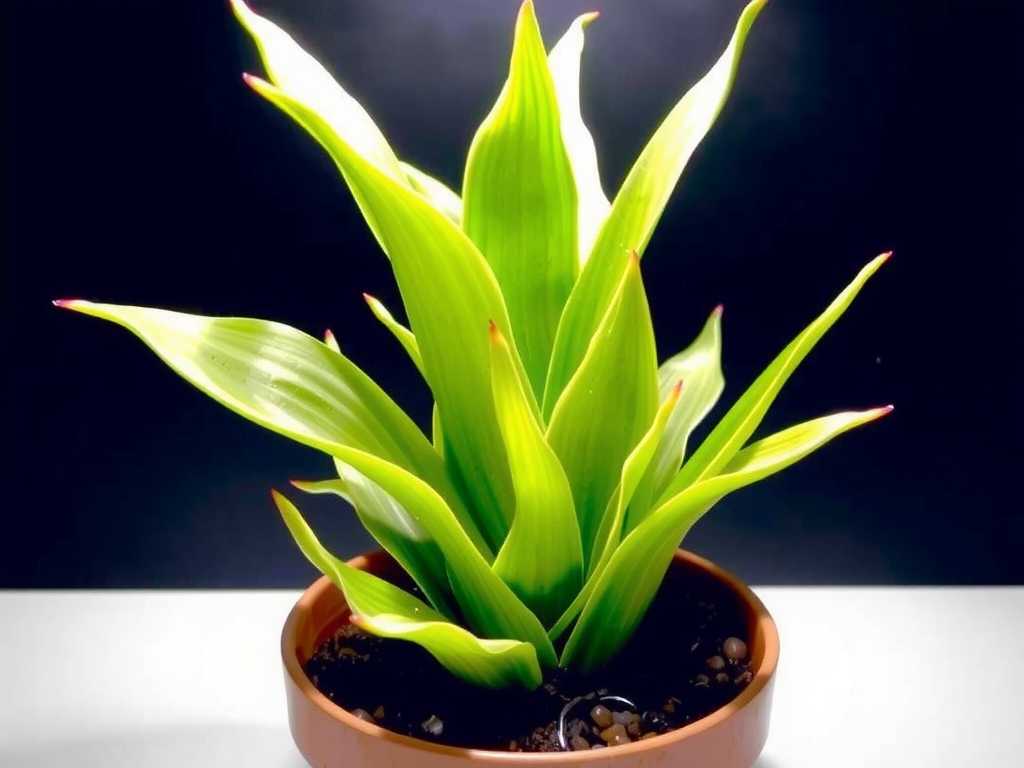
First, let's understand what we're dealing with. Those side shoots, often called pups, offsets, or rhizomes, are your snake plant's natural way of reproducing. They emerge from an underground stem called a rhizome. For these pups to thrive, they need the right signals and resources from their environment. The Royal Horticultural Society (RHS) notes that Sansevieria (now reclassified as Dracaena) are slow growers by nature, but their propagation via division or leaf cuttings is highly reliable once conditions are optimal. Our goal isn't to force unnatural growth but to remove all barriers and provide the ideal setup for explosive, healthy development.
My Two-Week Acceleration Plan: A Step-by-Step Journal
Frustrated with a particularly slow-growing pup in one of my mother-in-law's tongue plants, I decided to implement a focused regimen. I chose a healthy mother plant with one medium-sized pup that had been stagnant for over a month. Here’s exactly what I did, what I observed, and the pitfalls I navigated.
Step 1: The Critical Assessment and Separation Decision
Before any intervention, diagnosis is key. I gently brushed away the topsoil to examine the pup's connection to the mother plant. A healthy pup will have its own root system emerging from a thick, white rhizome. My pup had several small, firm roots about an inch long—a good sign. According to best practices from experienced growers, a pup is ready for independence when it's about one-third the size of the mother plant and has developed its own roots.
- The Mistake I Almost Made: I was tempted to separate it immediately. Impatience is the enemy here.
- The Solution: I decided not to separate it yet. Instead, I left it attached. Why? The mother plant provides a steady stream of energy and nutrients, acting as a life support system. For accelerated growth, I wanted the pup to benefit from that established root network while I optimized its conditions. Separation would come later, only after the pup showed vigorous new growth.
Step 2: Optimizing the Foundation: Soil and Pot
The right home is everything. Snake plants demand exceptionally well-draining soil to prevent rhizome rot. I prepared a fresh, gritty mix: 2 parts standard potting soil, 1 part perlite, and 1 part coarse sand. This creates the fast-draining, aerated environment that snake plant roots and rhizomes crave.
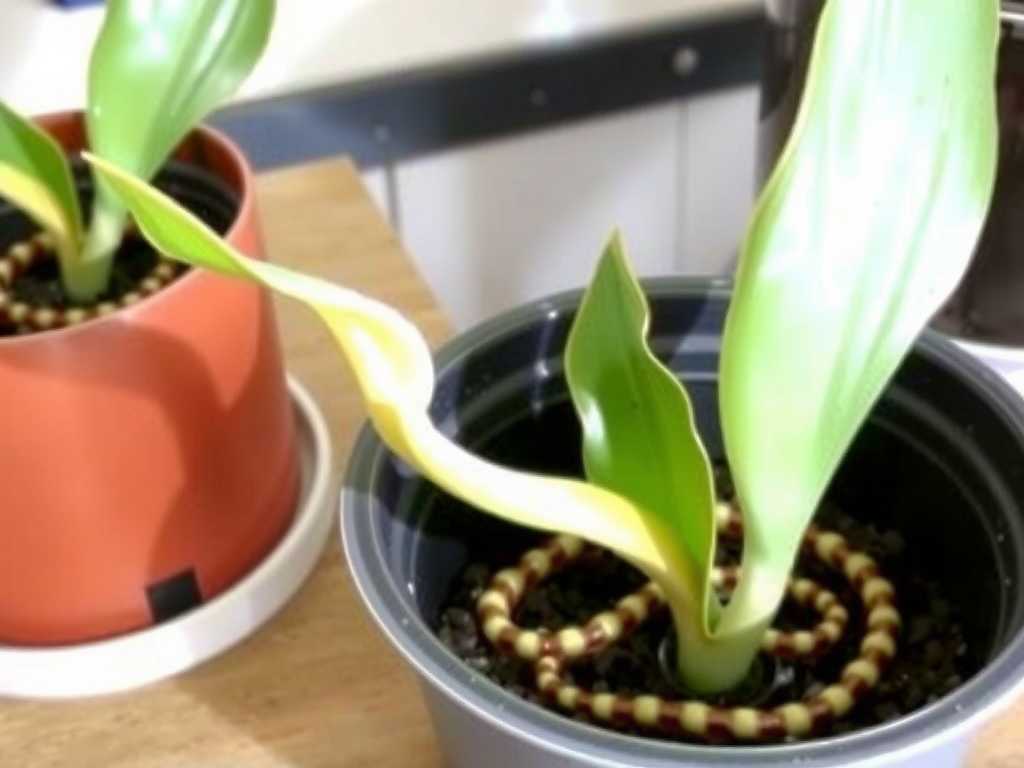
I then checked the pot. The mother plant was in a plastic pot with adequate drainage holes. However, I ensured the pot wasn't sitting in a saucer of water. I placed it on pebbles inside the saucer to create a humidity tray without risking a soggy bottom—a simple trick that boosts ambient moisture without wetting the roots.
Step 3: Mastering the Water and Light Equation
This is where most people, including my past self, go wrong.
- Watering for Growth, Not Survival: Instead of my usual "wait until bone dry" approach, I adopted a slightly more frequent schedule. I watered deeply only when the top 1.5 inches of soil were completely dry. I used the finger test religiously. The goal was to keep the rhizome zone slightly moist to stimulate root expansion without ever being wet. Over the two weeks, I watered twice.
- Light: The Ultimate Growth Catalyst: Light is energy. To make side shoots grow faster, they need more fuel. I moved the plant from its previous low-light spot to a location with bright, indirect light. A spot about 4 feet back from a south-east facing window proved perfect. I avoided direct, harsh afternoon sun which can scorch leaves, but provided ample bright ambient light all day. The American Horticultural Society (AHA) emphasizes that while snake plants tolerate low light, they thrive and grow noticeably faster in bright, filtered light.
Step 4: Strategic Feeding for Rapid Development
A growing pup needs nutrients. I used a balanced, water-soluble fertilizer (with an equal NPK ratio like 10-10-10), but I diluted it to half the recommended strength. I applied this weak fertilizer solution only once, during the second watering of my experiment. The key is a gentle boost, not an aggressive push that can burn tender new roots.
My Two-Week Observation Log
- Day 1-3: No visible change. The soil moisture level was ideal.
- Day 4-7: I noticed the pup's leaves felt slightly firmer and had a more vibrant, deep green color. The central new leaf seemed a tiny bit taller.
- Day 8-10: Clear, measurable growth! The main new leaf on the pup had grown approximately half an inch. Another, smaller leaf began to unfurl from the center.
- Day 11-14: The growth rate seemed to accelerate. By the end of the two weeks, the primary new leaf had added a full 1.2 inches in height, and the secondary leaf was clearly emerging. The pup as a whole looked denser and more robust.
The Pitfall and Recovery: Around day 5, I noticed a single, older leaf on the mother plant starting to yellow at the very tip. I panicked—was I overwatering? Upon investigation, I realized it was an isolated issue, likely an older leaf being shed as energy redirected to the new growth. I snipped the yellow tip off for aesthetics and continued my regimen. The lesson: Don't let one minor sign derail you; look at the whole plant's health.
Advanced Tips for the Committed Enthusiast
Once you see growth, you can push further.
1. The Power of Root Space: If your pup is in a crowded pot, consider repotting the entire family into a container just 1-2 inches wider. This gives the rhizomes room to expand and produce even more offshoots. I did this after my two-week experiment, and the growth continued unabated.
2. When and How to Separate for Independent Growth: After my pup had grown significantly (about 50% larger), I finally separated it. I removed the entire plant from its pot, used a clean, sharp knife to cut the rhizome connecting the pup to the mother, ensuring each had a good root system. I potted the pup in its own small pot with the same gritty mix. It experienced no transplant shock and continued growing, now as a thriving independent plant.
3. Consistency is Key: The "accelerated" care—bright indirect light, consistent but careful watering, and occasional weak feeding—is now its standard care. There's no going back to neglect if you want to see continuous production of healthy side shoots.
Your Questions, Answered
Can I use rooting hormone on snake plant pups? Yes, but it's often unnecessary for division. If you are propagating from a leaf cutting, a rooting hormone containing IBA (Indole-3-butyric acid) can encourage faster root development on the cut end. For pups already attached with roots, the benefit is minimal. Your efforts are better spent on perfecting light and soil conditions.
How often should I fertilize to encourage offshoot growth? Less is more. During the active growing season (spring and summer), a monthly feeding with a half-strength balanced fertilizer is sufficient. Do not fertilize in fall and winter when growth naturally slows. Over-fertilization will harm the roots and halt growth entirely.
My pup is growing but the leaves are pale and leggy. What's wrong? This is a classic sign of insufficient light. The plant is stretching (etiolating) to find a light source, resulting in weak, pale growth. Immediately move your snake plant to a brighter location with indirect light. The new growth will come in tighter, firmer, and with the characteristic deep green color.
Watching a once-stagnant snake plant pup surge with new growth is incredibly rewarding. It demystifies the plant's needs and transforms you from a passive owner to an active cultivator. The process hinges on a simple shift: from treating your snake plant as a survivor to nurturing it as a thriving, reproducing organism. By providing bright, indirect light, mastering a careful watering routine in well-draining soil, and offering gentle nutritional support, you create an environment where side shoots don't just appear—they flourish. Start with one change, perhaps the light, and observe the response. Your snake plant is ready to grow; it just needs the right invitation.
发表评论