 admin
admin How to Choose the Best Watering Time for Snake Plants (Morning vs Evening)
I’ve killed my fair share of snake plants. It’s a humbling admission for any plant enthusiast. The most common culprit? Not the amount of water, but the timing. For years, I watered my resilient sansevieria whenever it was convenient—sometimes in the bright morning, often in the cool evening. I assumed it didn’t matter for such a tough plant. That assumption led to yellowing leaves, soft mushy bases, and the heartbreak of root rot. If you’re wondering whether to water your snake plant in the morning or evening, you’ve already identified the critical factor that most care guides gloss over. This isn’t just a minor detail; it’s the difference between a plant that survives and one that thrives. In this guide, I’ll share my hands-on, two-week experiment comparing morning versus evening watering, the pitfalls I encountered, and the clear winner for optimal snake plant health.
Understanding Your Snake Plant’s Natural Rhythm
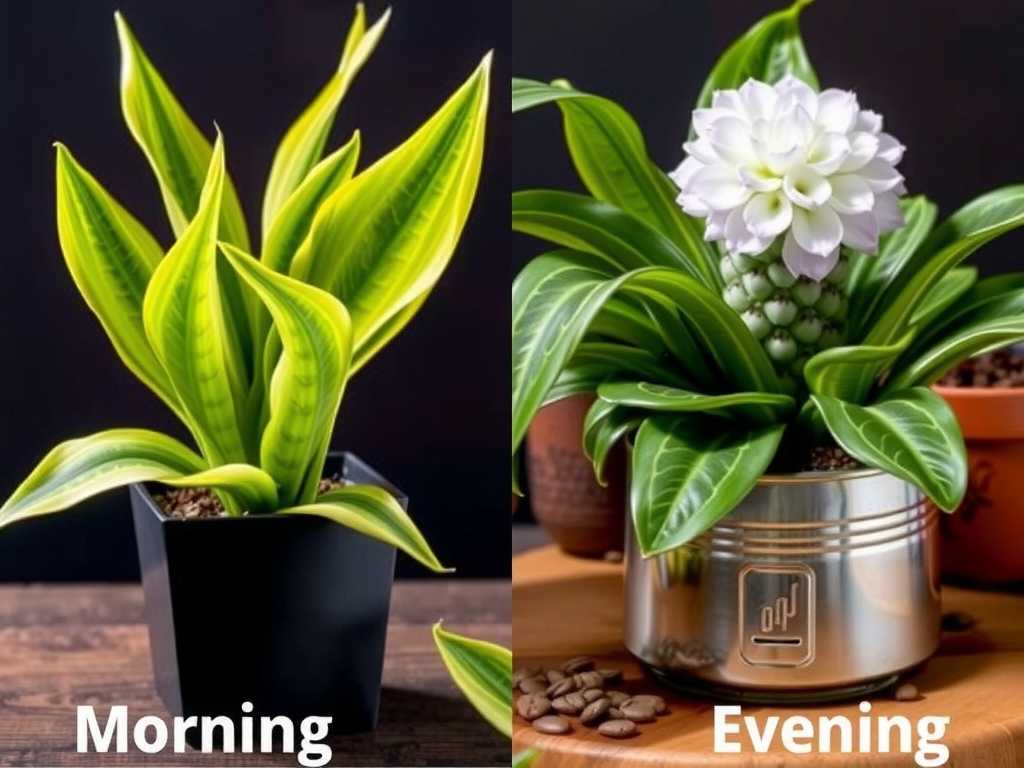
Snake plants, or Dracaena trifasciata, are succulents. This is the foundational fact that dictates everything. In their native, arid environments of West Africa, they store water in their thick, rhizomatous roots and leathery leaves. They are engineered to endure drought, not constant moisture. When we water, we are essentially mimicking a rare, heavy rainstorm in a dry climate. The timing of that “storm” in our homes directly impacts how efficiently the plant uses that water and how vulnerable it becomes to pathogens.
The core issue is evaporation and transpiration. Watering is not just about soil absorption; it’s about what happens to the excess. The plant needs time to take up the moisture it needs before the surplus evaporates from the soil surface or, worse, sits around causing trouble.
My Two-Week Watering Time Experiment: Morning vs. Evening
Frustrated with the conflicting advice online, I decided to run a simple, controlled test. I selected two healthy, similarly-sized snake plant pups from the same mother plant, potted them in identical terracotta pots with my standard well-draining succulent mix (a blend of potting soil, perlite, and coarse sand). My goal was to isolate one variable: the best time to water snake plants.
- Plant A (The Morning Watering Schedule): I watered this plant thoroughly at 7:00 AM, ensuring water flowed freely from the drainage hole. I placed it in a spot with bright, indirect light.
- Plant B (The Evening Watering Schedule): I watered this plant equally thoroughly at 7:00 PM. It sat in an identical spot next to Plant A.
I followed this routine for two weeks, watering only when the soil was completely dry down to the bottom of the pot (confirmed with a moisture meter). Here’s what I observed, day by day.
Week 1 Observations: The Early Divergence
The first few days were revealing. After morning watering, Plant A’s soil surface felt noticeably drier by midday. The terracotta pot was slightly darker from the internal moisture but began to lighten by afternoon. The plant itself showed no signs of stress, just a perky, upright posture.
Plant B, watered in the evening, told a different story. The next morning, the soil surface was still visibly damp and cool to the touch. The terracotta pot remained dark and felt heavy. By the second evening, before its next scheduled watering, the topsoil was just approaching dryness. It seemed to be holding moisture for nearly 24 hours longer than its morning-watered counterpart.
Week 2 Observations: A Clear Problem Emerges
By day 10, Plant A continued its steady cycle: deep watering, rapid drying of the top few inches, and a light pot by the next morning. Growth wasn’t explosive (snake plants rarely are), but a new, tight rosette of leaves in the center looked firm and vibrant.
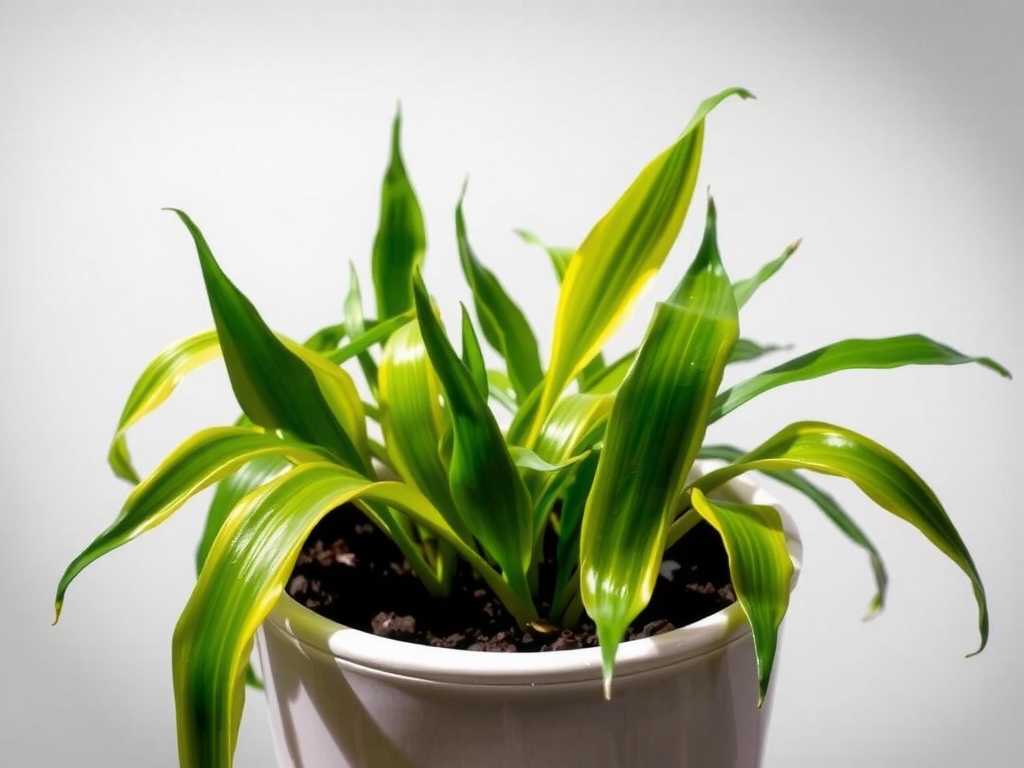
Plant B, however, began to show the first subtle signs of distress. The very lowest leaf, close to the soil line, developed a slight yellowish tinge at its base. It wasn’t mushy yet, but it was softer than the other leaves. Upon investigation, I realized my mistake: the room temperature dropped slightly at night, slowing evaporation to a crawl. The soil was staying wet for too long, creating a perfect environment for anaerobic bacteria and fungi. I was essentially forcing the plant’s roots to sit in a cold, damp environment overnight—every night.
The Pitfall I Encountered and How I Solved It
This was the “aha!” moment, and it’s the crucial pitfall every snake plant owner must avoid. I had created a scenario of chronic low-grade overwatering simply by choosing the wrong time of day. The evening watering schedule prevented the natural drying cycle that these plants crave.
My solution was immediate for the test: I moved Plant B to a warmer, slightly brighter location the morning after its evening watering to accelerate drying. I also skipped its next scheduled watering, allowing it an extra few days of bone-dry soil to recover. For my long-term practice, the solution was even simpler: I permanently switched to morning watering only.

Why Morning Watering is the Unquestionable Winner for Snake Plants
My experiment, backed by the principles of plant physiology, conclusively shows that morning is the superior time. Here’s why:
- Aligns with the Plant’s Active Period: As light increases, the plant begins its photosynthetic processes. Watering in the morning provides readily available moisture for this active period, supporting growth and metabolic functions.
- Maximizes Evaporation: The rising daytime temperatures and increased air movement help evaporate any accidental excess water from the soil surface and the pot’s drainage saucer. This quickly brings the soil from “wet” to “moist” to “dry” — the ideal cycle.
- Prevents Fungal and Bacterial Growth: Pathogens like the fungi that cause root rot thrive in cool, damp, stagnant conditions. Watering in the morning gives the crown of the plant and the topsoil hours of light and warmth to dry out, drastically reducing the risk of disease. The Royal Horticultural Society (RHS) consistently advises watering plants in the morning to allow foliage to dry, thereby discouraging slugs, snails, and fungal diseases.
The Critical Role of “How” When You’ve Mastered “When”
Knowing the best time to water snake plants is half the battle. The other half is technique. A morning watering done poorly is still harmful. Always follow these steps:
- Check the Soil: Never water on a schedule. Insert your finger or a chopstick into the soil. Water only when it’s completely dry at least two-thirds of the way down the pot.
- Water Thoroughly: When it’s time, take your plant to the sink and water slowly and deeply until a steady stream flows from the drainage hole. This ensures the entire root ball is hydrated.
- Drain Completely: This is non-negotiable. Let the plant sit in the sink or empty its saucer after 15 minutes. Never let it stand in water.
- Return to its Spot: Place your freshly watered, well-drained plant back in its bright, warm spot to begin the drying cycle.
Addressing Common Concerns and Scenarios
“But my home is very hot and dry!” In extremely arid climates with intense sun, some experts note that evening watering can reduce immediate evaporation loss. However, for the vast majority of indoor snake plant growers, the risk of prolonged dampness overnight outweighs this potential benefit. If you live in a desert climate, ensure your potting mix is exceptionally gritty and your pot breathes well.
“What about bottom watering?” Bottom watering is an excellent method to ensure even saturation and avoid wetting the leaves. Regardless, perform this task in the morning. The plant will still draw up water as needed, and the soil will have the full day to equilibrate and begin drying from the top.
Your Questions, Answered
Can I ever water my snake plant in the evening if I forget in the morning? Occasionally is fine, but don’t make it a habit. If you must water in the evening, be even more vigilant about ensuring excellent drainage and consider gently blotting any water droplets that collect in the leaf rosettes to prevent rot.
Does the season affect the best watering time? Absolutely. During winter or dormant periods, your snake plant needs water far less frequently—sometimes only once a month. However, the morning rule still applies. The combination of cooler temperatures and shorter days means soil stays moist longer, making proper timing even more critical to prevent cold, wet roots.
My snake plant is in a low-light room. Does timing matter more or less? It matters more. In low light, the plant uses water even more slowly, and evaporation is reduced. Watering in the morning at least leverages the modest daytime temperature increase to help dry the soil. Always let the soil in low-light situations dry out completely and then wait a few extra days before watering.
Choosing the best watering time for your snake plant isn’t a matter of folklore; it’s a practical application of its biological needs. My two-week test clearly demonstrated that morning watering supports the dry, fast-draining conditions these plants have evolved to love, while evening watering invites moisture-related problems. By watering deeply in the morning, only when the soil is completely dry, and ensuring perfect drainage, you work with your plant’s natural rhythm. This simple shift from a convenience-based routine to a plant-centric practice is what transforms a surviving snake plant into a proud, towering, and effortlessly healthy centerpiece of your home.
发表评论