 admin
admin How to Turn Snake Plant Side Shoots into Independent Healthy Plants
Seeing a cluster of new, vibrant shoots emerge at the base of your snake plant is always exciting. These side shoots, often called “pups” or “offsets,” are your plant’s way of telling you it’s thriving and ready to expand its family. However, a common dilemma for plant owners is what to do when these pups start crowding the mother plant. Leaving them attached can lead to competition for resources, potentially stunting the growth of all plants involved. The solution? Learning how to properly separate and propagate these side shoots. This guide will walk you through the entire process, transforming you from a concerned plant parent into a confident propagator, equipped to multiply your collection of these resilient, air-purifying beauties.
Understanding Snake Plant Propagation and Its Benefits
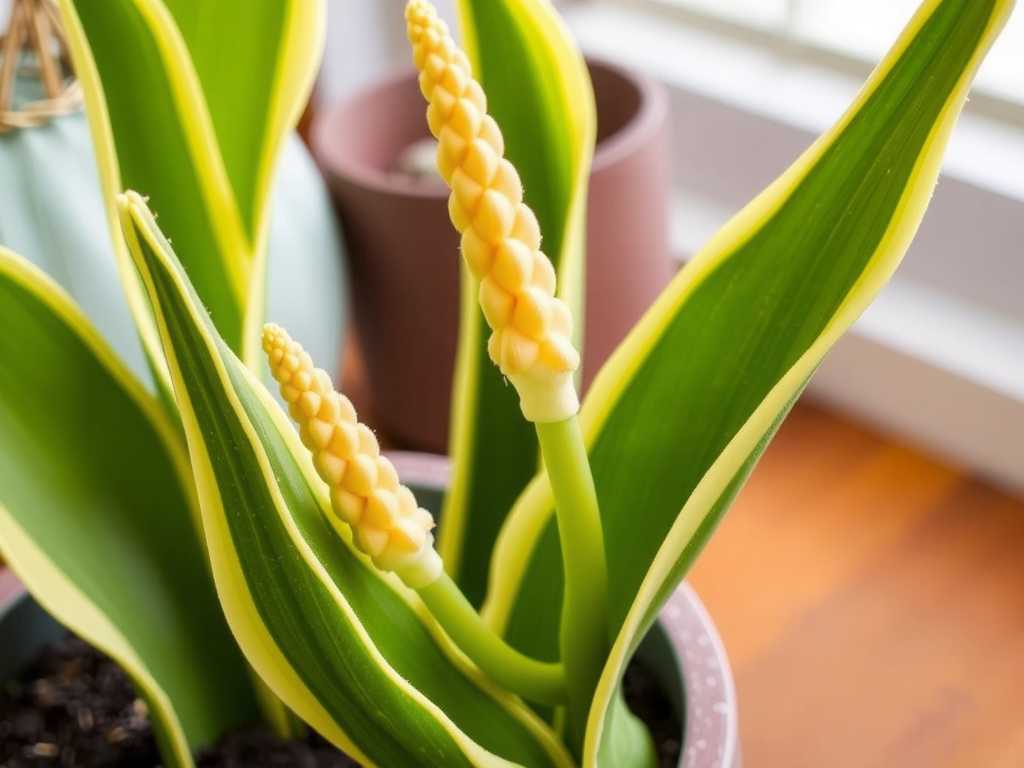
Before we dive into the “how,” let’s understand the “why.” Propagating your snake plant through its side shoots is one of the most rewarding and reliable methods for plant multiplication. Unlike growing from leaf cuttings, which can be slow and sometimes revert to a plain green form in variegated types, propagating pups guarantees an exact genetic clone of the mother plant. This means you’ll get a new plant with the same striking leaf patterns, color, and growth habits.
The benefits extend beyond just getting free plants. Dividing an overcrowded snake plant rejuvenates the original plant, giving its root system more space and nutrients to support lush, new growth. According to horticulturalists, regular division every few years is a key practice for maintaining long-term plant health and vigor. It’s a sustainable cycle of growth that allows you to share the joy of gardening with friends and family.
Identifying the Right Time and Tools for Separation
Timing and preparation are crucial for successful propagation.
When is the Right Time? The ideal time to separate snake plant pups is during the active growing season, typically in spring or early summer. This gives the new divisions the entire growing period to establish their own root systems before the slower growth of fall and winter. Look for pups that are at least 4-6 inches tall and have developed their own set of leaves. A good rule of thumb is that the pup should look like a miniature version of the mother plant.
Gathering Your Propagation Toolkit You don’t need fancy equipment, but having the right tools makes the job cleaner and safer for your plants.
- A sharp, clean knife or pruning shears: A sterile blade is non-negotiable. Wipe it with rubbing alcohol to prevent transmitting any disease.
- Fresh, well-draining potting mix: A cactus or succulent mix is perfect. You can make your own by blending regular potting soil with perlite or coarse sand.
- Appropriate pots: Select pots with drainage holes that are just 1-2 inches wider than the root ball of your new division.
- Gloves (optional): Snake plant sap can be mildly irritating to some skin types.
A Step-by-Step Guide to Separating Snake Plant Pups
Follow these clear steps to ensure a smooth transition for both the mother plant and its offspring.
Step 1: Remove the Plant from Its Pot Water the plant a day or two before the procedure to make the soil easier to work with but not soggy. Gently tip the pot on its side and carefully ease the entire root ball out. You may need to tap the pot’s sides or run a knife around the interior edge to loosen it.
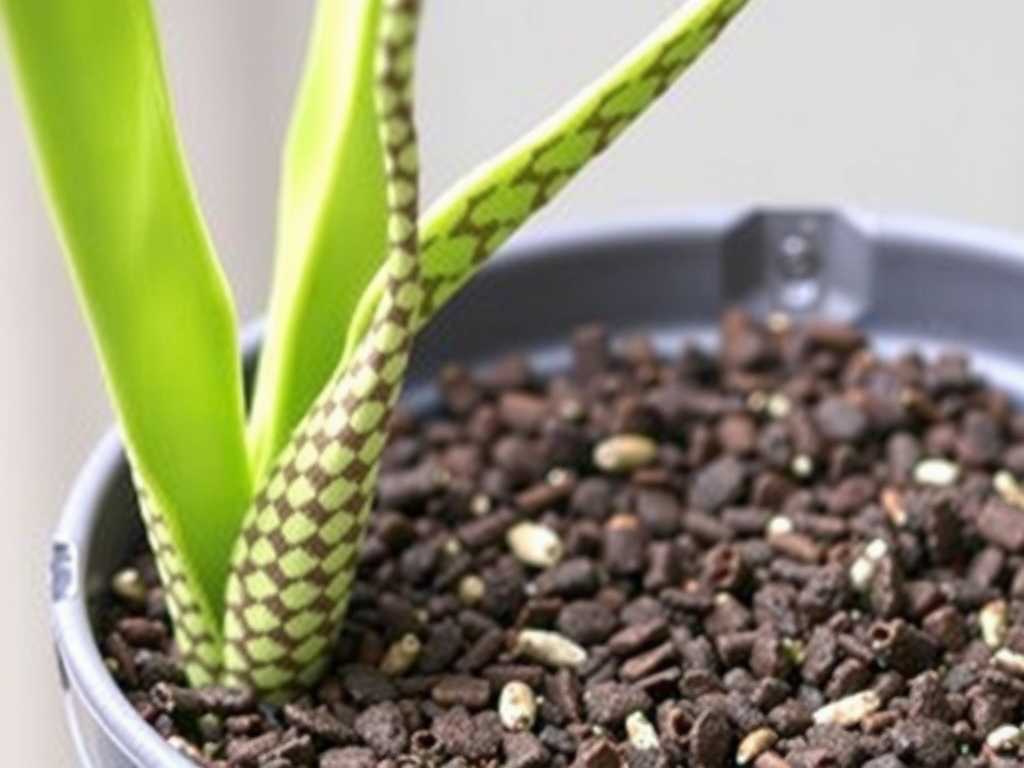
Step 2: Locate and Expose the Connection Gently brush away the soil from the root mass to reveal where the pup is attached to the mother plant. You will see a thick, rhizomatous root (a horizontal underground stem) connecting them. This rhizome is the lifeline, storing water and nutrients.
Step 3: Make the Separation Using your sterilized knife, make a clean cut through the rhizome, ensuring the pup retains a good portion of its own roots. If the connection is loose, you might be able to gently twist and pull the pup away by hand. The goal is to minimize damage to the root systems of both plants.
Step 4: Potting Your New Snake Plant Fill your new pot partway with fresh potting mix. Place the pup in the center, ensuring it sits at the same soil depth as it was before. Backfill with more soil, gently firming it around the base to provide support. Do not water immediately.
Step 5: The Critical Aftercare Period This is the most important phase for ensuring your side shoot becomes an independent healthy plant. Place the newly potted pup in a location with bright, indirect light. Wait at least 5-7 days before giving it its first thorough watering. This allows any minor root injuries to callous over, preventing rot. After the initial watering, adopt a “soak and dry” method, allowing the soil to dry out completely between waterings.
Troubleshooting Common Propagation Issues
Even with careful execution, sometimes issues arise. Here’s how to handle them.
- Pup Has No Roots: If a pup breaks off with little to no roots, don’t discard it. You can treat it like a leaf cutting. Let the cut end dry and callous for a day or two, then plant it in moist soil. Rooting will take longer, but it’s often successful.
- Leaves Turning Yellow or Mushy: This is almost always a sign of overwatering, especially in the early stages. Unpot the plant, trim away any rotten, soft roots, and repot in dry, fresh mix. Hold off on watering for at least a week.
- The New Plant is Wobbly or Not Growing: Ensure the plant is potted firmly and has adequate light. A lack of growth for the first few months is normal as the plant focuses its energy on root establishment. Patience is key.
Expert Tips for Maximizing Success
To elevate your propagation game, consider these insights from experienced growers. Lisa Eldred Steinkopf, author of Houseplant Party, emphasizes the importance of light: “A newly propagated plant needs bright light to fuel root growth, but direct hot sun can scorch its tender leaves.” Furthermore, resist the urge to fertilize your new snake plant for at least the first 6 months. The fresh potting mix contains enough nutrients, and fertilizers can burn delicate new roots.
How long does it take for a separated snake plant pup to grow? Growth can be slow initially. It may take 2-3 months before you see significant new leaf growth, as the plant’s priority is establishing a strong root system underground. With proper care, you can expect steady growth within 4-6 months.
Can I separate a pup without removing the mother plant from the pot? While it’s possible to carefully excavate soil and cut a pup from the edge of the pot, it’s riskier. You can easily damage other roots or miss the connection point. For the health of all plants, removing the entire plant for a clear view is the recommended method.
What is the difference between propagating a pup and propagating from a leaf cutting? Propagating a pup (division) is faster and guarantees a clone of the mother plant. Propagating from a leaf cutting involves rooting a section of a leaf in water or soil, a process that takes much longer and, for variegated varieties like ‘Laurentii’ or ‘Moonshine,’ often results in a new plant that loses its yellow or silver edges, reverting to solid green.
Mastering the art of turning snake plant side shoots into independent plants is a fundamental skill for any indoor gardener. It’s a process that connects you more deeply to the lifecycle of your plants, offering both practical rewards and immense satisfaction. By choosing the right time, using clean tools, making precise separations, and providing attentive aftercare, you ensure the legacy of your hardy snake plant continues. Each successfully propagated pup is a testament to your care, ready to clean your air and add a touch of green elegance to your home or to be gifted as a living token of friendship.
发表评论