 admin
admin How to Choose Healthy Mother Plants for Snake Plant Cuttings: A Guide
You've decided to propagate your snake plant. You have your shears ready and a vision of lush, new growth. But then, doubt creeps in. Why did your last attempt fail? The cuttings rotted, never sprouted roots, or produced a weak, struggling pup. The problem often isn't your technique—it’s your starting point. Selecting the wrong mother plant is the most common, yet overlooked, mistake in propagation. A cutting is only as vigorous as the plant it came from. This guide will walk you through the exact steps to identify and choose the healthiest mother plant, setting you up for propagation success from the very first cut.
The Critical Role of the Mother Plant
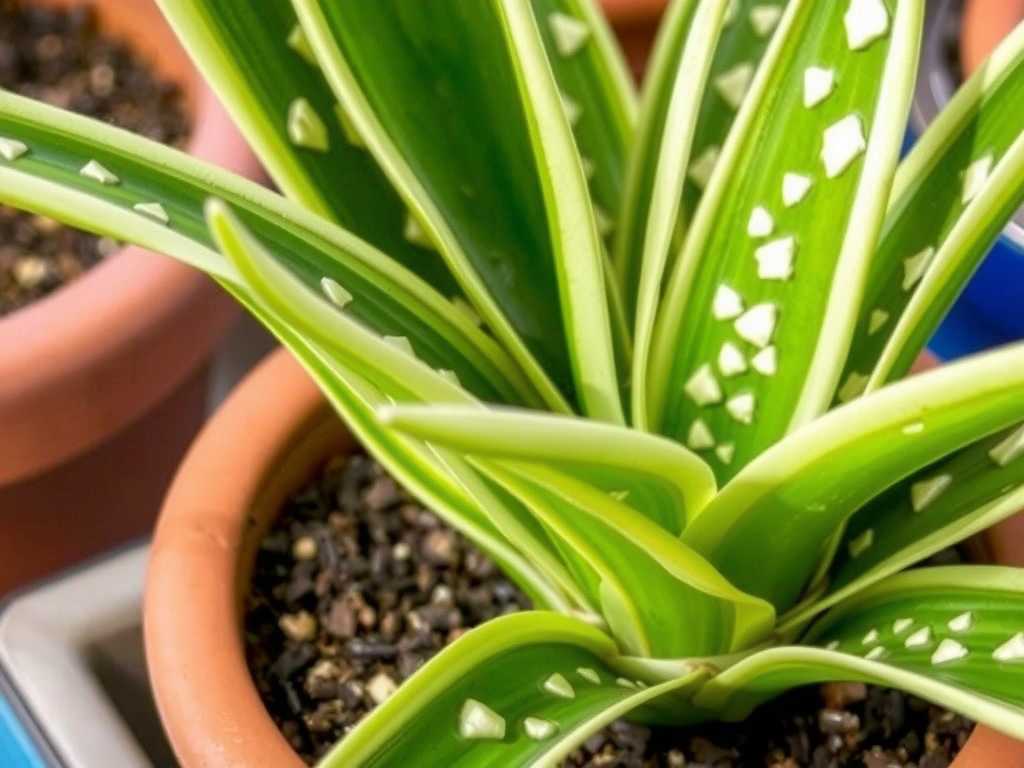
Think of a mother plant as the genetic and physiological blueprint for all its cuttings. Every new snake plant pup inherits its health, growth rate, resistance to pests, and even its potential for vibrant variegation directly from its parent. A stressed, nutrient-deficient, or diseased plant will pass on those weaknesses. According to horticulture experts, propagation success rates can increase by over 60% when cuttings are taken from robust, actively growing stock plants. Your goal isn't just any snake plant; it's the best snake plant in your collection.
Visual Inspection: Your First Assessment
Before you even think about making a cut, conduct a thorough visual exam. This is your non-negotiable first step.
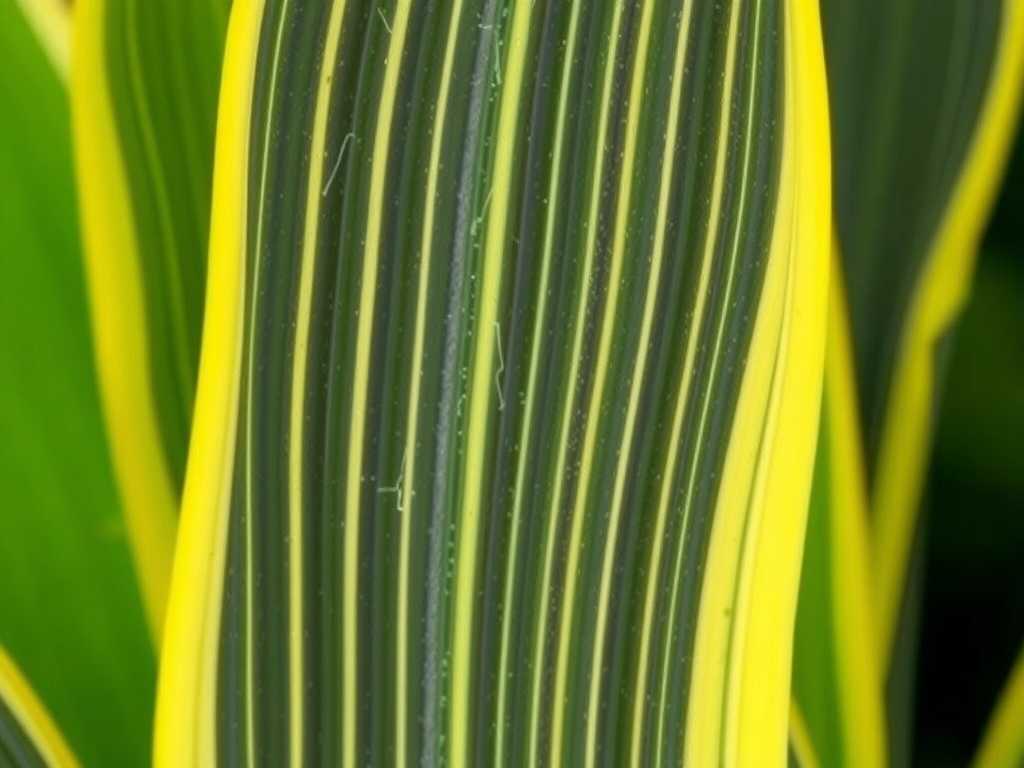
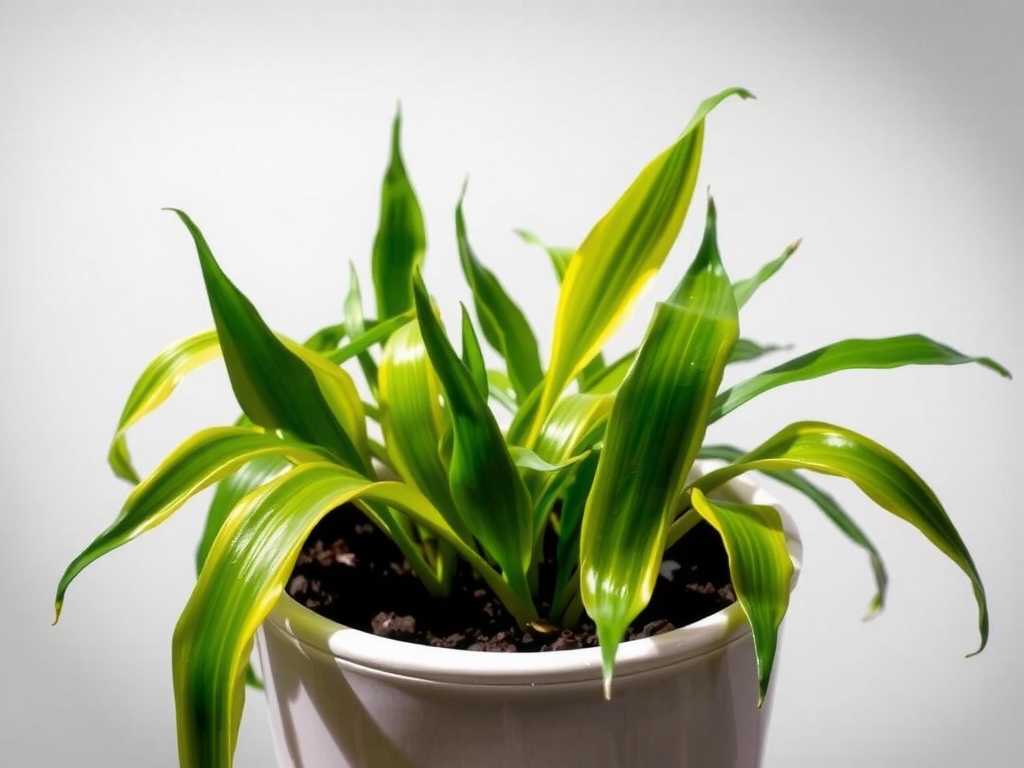
Examine the Foliage Healthy snake plant leaves are firm, taut, and stand upright with confidence. They should have a consistent color—deep green for standard varieties, with clear, crisp patterns for variegated types like Laurentii or Moonshine. Run your fingers along the leaves. They should feel smooth and substantial, not flimsy or rubbery.
Reject plants with these leaf issues:
- Soft, mushy spots: A telltale sign of overwatering and potential root rot.
- Wrinkled or puckered leaves: This indicates severe dehydration or root damage.
- Brown, crispy tips: Often a sign of low humidity, fluoride in water, or inconsistent watering.
- Yellowing leaves: Especially from the bottom up, this can signal overwatering or natural aging. Widespread yellowing is a red flag.
- Dull, faded, or washed-out color: This suggests insufficient light, which weakens the plant's overall vitality.
Investigate the Roots and Soil If possible, gently tip the plant out of its pot to inspect the root ball. You're looking for firm, orange-tipped roots. Healthy snake plant roots are thick, pale, and crisp. Be alarmed by:
- Brown, black, or slimy roots: This is root rot. Avoid this plant entirely.
- A pungent, sour smell from the soil.
- Soil that is constantly soggy or shows signs of mold.
Pest and Disease Patrol Inspect every nook, especially the tight center where new leaves emerge and the undersides of leaves. Use a magnifying glass if needed. Look for:
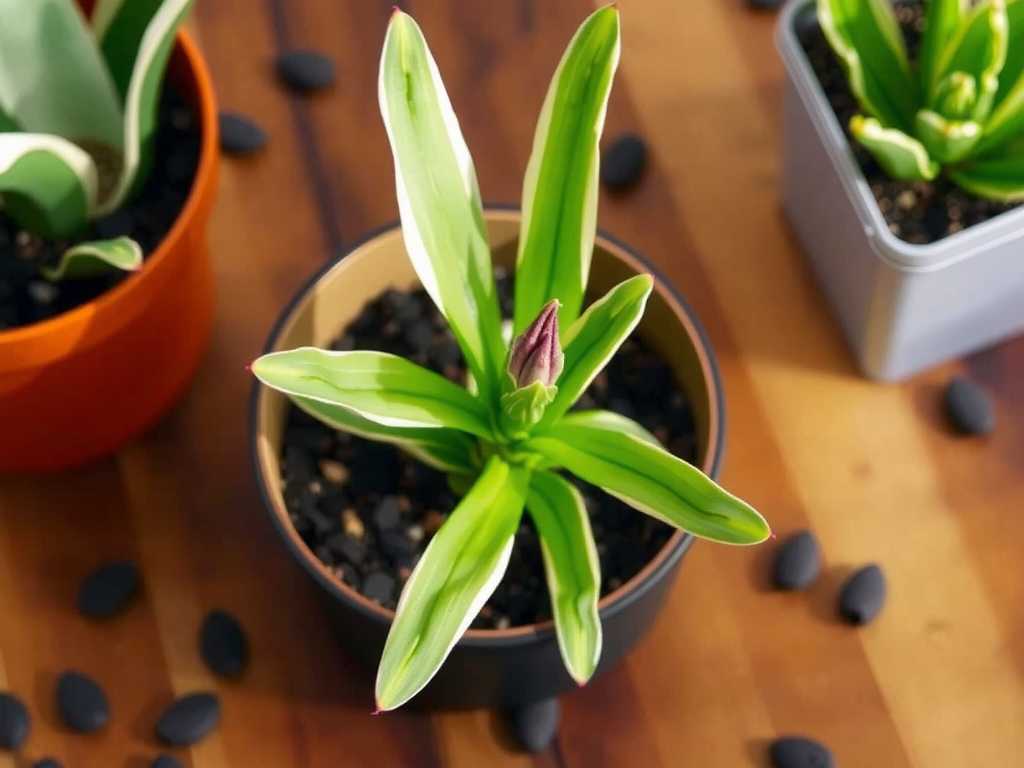
- Fine webbing (spider mites)
- Small, cottony masses (mealybugs)
- Sticky residue (honeydew from scale or aphids)
- Small, scar-like marks or rusty spots (fungal or bacterial issues)
A plant under pest siege is stressed and diverting energy to survival, not robust growth. Do not take cuttings from it.
Beyond Looks: Assessing Plant Vitality and Condition
A plant can look okay on the surface but lack the internal vigor needed for strong propagation.
Growth Stage and Season The ideal mother plant is in its active growing season (typically spring and early summer). During this time, the plant's metabolism is high, and it produces natural rooting hormones more readily. Avoid taking cuttings from a dormant plant in the middle of winter, as it will root painfully slowly, if at all.
Age and Maturity of the Plant While you can propagate from a relatively young plant, the most reliable cuttings come from mature, established snake plants. A plant that has been in the same pot for a few years and has produced several pups of its own has proven its vigor. Its leaves are packed with stored energy. Very old, gigantic plants can sometimes be less vigorous, so aim for a happy medium—a plant that is neither a seedling nor a decades-old giant.
Pot-Bound Status: A Hidden Advantage A slightly pot-bound snake plant is often an excellent candidate for propagation. When roots fill the pot, the plant often redirects its energy into producing pups or strengthening its existing leaves, making them prime for cuttings. However, there's a limit. A severely root-bound plant that is cracking its pot and showing stunted growth is overly stressed.
Preparing Your Chosen Mother Plant
Once you've selected the perfect candidate, don't cut immediately. A little preparation dramatically increases your success rate.
The Pre-Propagation Care Routine About 2-4 weeks before you plan to take cuttings, begin optimizing the plant's care:
- Watering: Ensure the plant is on a perfect watering schedule. Water deeply only when the soil is completely dry, then allow it to drain. You want the leaves fully hydrated but not waterlogged at the time of cutting.
- Light: Place it in bright, indirect light. This boosts photosynthesis, creating more carbohydrates (energy) stored in the leaves.
- Nutrition: Apply a balanced, half-strength liquid fertilizer once during this preparation period. This provides a mild nutrient boost without forcing excessive, soft growth. Avoid fertilizing right before cutting.
Gathering Your Tools You must work with clean, sharp tools. Use a sterile utility knife, pruning shears, or scissors. Wipe blades with isopropyl alcohol before and after use. This prevents transmitting pathogens from the tool into the plant's open tissue.
How to Select the Best Leaf for Cutting
Not every leaf on your healthy mother plant is equal for propagation.
Choosing the Right Leaf
- Opt for Outer, Mature Leaves: Select a long, healthy leaf from the outer ring of the plant. These are the oldest, most mature leaves, packed with stored resources.
- Avoid the Youngest Center Leaves: The small, new leaves in the center are still developing and lack the reserves needed to sustain themselves while rooting.
- For Variegated Varieties: If you have a snake plant with yellow or white edges (like Sansevieria trifasciata 'Laurentii'), note that leaf cuttings may revert to all-green growth. To preserve the variegation, propagation by division is more reliable. If using a leaf cutting, choose one with strong, distinct variegation.
Making the Cut Make a clean, horizontal cut as close to the soil line as possible. You can cut the leaf further into smaller segments (4-6 inches long), but remember: the original cut end from the mother plant must always go into the soil or water. Mark it with a tiny scratch or tape if needed, as it will not root if planted upside down.
Post-Cutting Care for the Mother Plant Your job isn't over. The mother plant now has an open wound. Place it back in its ideal conditions and avoid watering for at least a week. This allows the cut to callus over at the base, preventing rot. It will soon redirect energy to produce new pups from the rhizome.
Common Questions Answered
Can I use a leaf that has a damaged tip? Yes, absolutely. You can simply cut off the damaged portion. As long as the rest of the leaf is healthy and you have a segment at least 3-4 inches long, it will propagate successfully. Just ensure you track which end is the bottom.
My mother plant seems healthy but hasn't grown in months. Is it still good for cuttings? A lack of growth could indicate dormancy (if it's winter) or being extremely root-bound. Assess its conditions first. If it's root-bound and otherwise healthy, it can still be a good candidate. The cuttings may be slow to root, mimicking the mother's slow growth. For faster results, consider repotting the mother plant, waiting a few months for it to show new growth, and then take cuttings.
Is it better to take cuttings from a soil-grown or water-grown mother plant? Always choose a mother plant grown in soil. Soil-grown plants develop stronger, more adaptable root systems and overall structure. A plant grown solely in water is acclimated to that environment, and its leaves may not have the same structural integrity or nutrient reserves. Cuttings from water-grown plants can struggle to adapt to soil later.
Choosing the right mother plant is the cornerstone of successful snake plant propagation. It transforms the process from a gamble into a predictable, rewarding practice. By investing time in selecting a plant with vibrant foliage, a robust root system, and no signs of stress, you provide your cuttings with the best possible start. Remember the key steps: inspect meticulously, assess vitality, prepare the plant, and select the strongest leaves. With a healthy mother plant as your source, you're not just making cuttings—you're ensuring a legacy of strong, thriving snake plants for years to come.

发表评论