 admin
admin How to Help Snake Plant Cuttings Adapt to Outdoor Environments Quickly
You’ve successfully propagated a healthy snake plant cutting, watching its roots develop in water or soil. Now, you’re ready to move it outside to enjoy the fresh air and natural light. But this transition is a critical moment. Moving your indoor-grown cutting directly into the garden can lead to shock, sunburn, stunted growth, or even loss of the plant. The key to success lies not in a sudden change, but in a gradual, mindful process of acclimatization. This guide will walk you through the exact steps to help your snake plant cuttings adapt to outdoor environments quickly and thrive in their new home.
Understanding the Challenge: From Indoor Shelter to Outdoor Elements
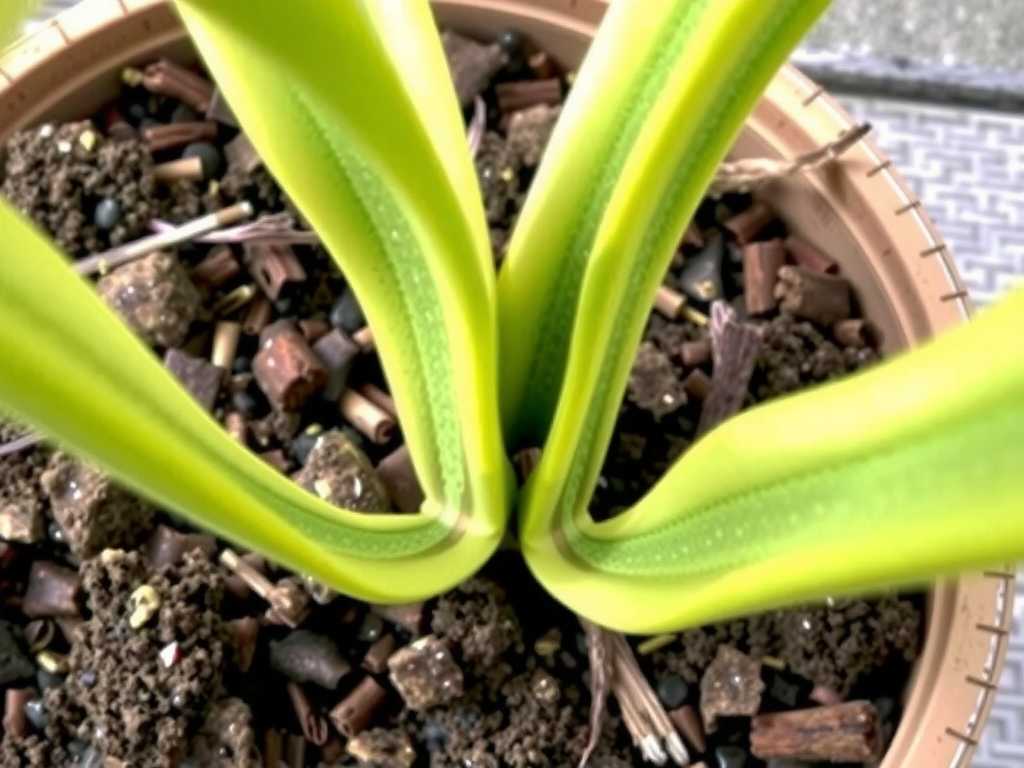
Snake plants (Sansevieria) grown indoors live in a controlled, stable world. Light levels are consistent, temperatures are moderate, and there’s no wind or rain. The outdoor environment is dynamic and full of variables. Your cutting needs to build resilience to several new factors:
- Intense Sunlight: Direct, outdoor sun is far stronger than even the brightest south-facing window.
- Temperature Fluctuations: Nights can be cooler, and daytime heat can be more intense.
- Wind and Rain: Physical stress from wind can damage leaves, while excessive rain can waterlog the soil.
- Pests and Diseases: The outdoor ecosystem includes insects and fungi not present indoors.
The goal of acclimatization, or “hardening off,” is to gently expose your cutting to these elements, allowing it to develop stronger cell walls and adapt its physiology for survival outdoors.
Pre-Transition Checklist: Is Your Cutting Ready for the Move?
Before beginning the outdoor adaptation process, ensure your cutting is primed for success.
Root Development is Paramount A cutting cannot adapt to anything without a robust root system. Whether you propagated in water or soil, wait until the roots are at least 2-3 inches long and appear thick and healthy. For soil propagations, a gentle tug should meet resistance, indicating established roots. Rushing this step is the most common mistake.
Choose the Right Season Timing is everything for a quick adaptation. The ideal period is during mild, stable weather. Aim for late spring or early summer when nighttime temperatures are consistently above 50°F (10°C). Avoid transitioning during heatwaves, frost warnings, or periods of heavy rain.
Select the Perfect Outdoor Location Not all outdoor spots are equal for a snake plant. They prefer bright, indirect light outdoors. Look for a location with:
- Dappled sunlight under a tree.
- Covered patio with morning sun only.
- East-facing spot that gets gentle morning light but is shaded from the harsh afternoon sun. A location that provides protection from the strongest midday and afternoon sun will significantly speed up adaptation and prevent leaf scorch.
The Step-by-Step Acclimatization Process
This gradual introduction is the core strategy for helping your snake plant cuttings adapt to outdoor conditions quickly. Plan for this process to take 7 to 14 days.
Week 1: Introducing the Elements in Short Bursts Start on a calm, overcast day if possible. Place your potted cutting in your chosen, sheltered outdoor location for just 1-2 hours. Then, bring it back inside. Each day, increase the outdoor time by 1-2 hours. Throughout this first week, scrupulously avoid direct midday sun. The focus is on acclimating to breeze, ambient humidity, and temperature changes.
Week 2: Building Tolerance to Sunlight In the second week, you can begin to introduce milder direct sunlight. Early morning sun (before 10 AM) is gentle. Allow your plant to experience this for an hour or two during its outdoor time. Continue to extend the total hours outdoors. By the end of this week, your cutting should be able to stay out overnight if temperatures permit, having been exposed to the full daily cycle.
Monitoring and Adjusting in Real-Time This schedule is a guide. Observe your plant closely every day. Signs you’re moving too fast include:
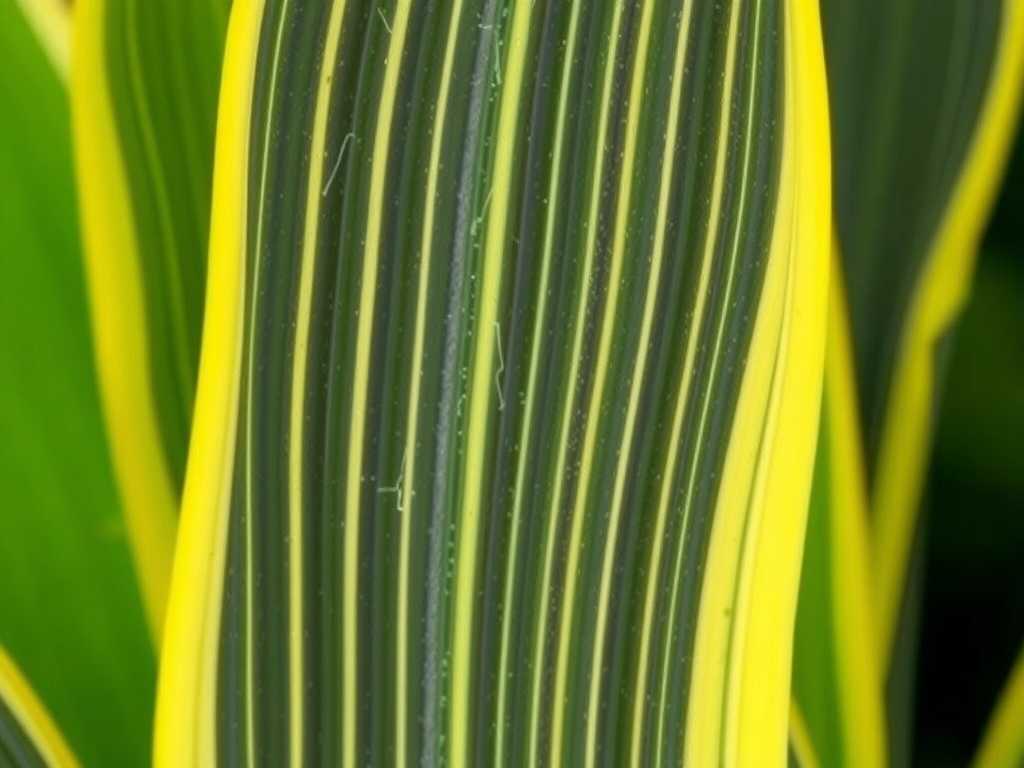
- Yellowing or bleached leaves: Too much sun too quickly.
- Brown, crispy tips or edges: Often a sign of windburn or low humidity.
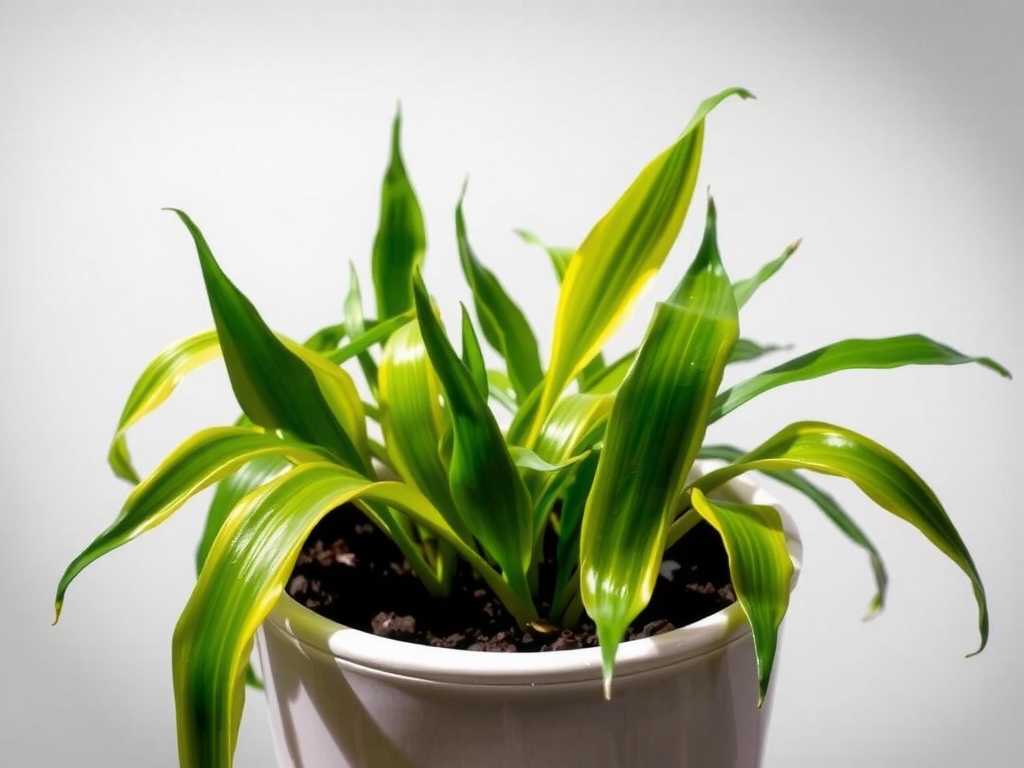
- Wilting or drooping: Could indicate temperature stress or underwatering (wind dries soil faster). If you see any stress signals, reduce exposure time or move the plant to a more protected spot for a few days before continuing.
Post-Transition Care for Thriving Outdoor Snake Plants
Once fully acclimatized, your snake plant cutting will be a resilient outdoor resident. A few care adjustments will ensure it thrives.
Watering Adjustments for Outdoor Growth Outdoor plants dry out faster due to wind and sun. Check soil moisture more frequently than you did indoors. The rule remains the same: water deeply only when the soil is completely dry. In hot, dry climates, this may be weekly; in humid climates, it may be far less often. Proper watering is crucial for maintaining healthy snake plant cuttings outdoors.
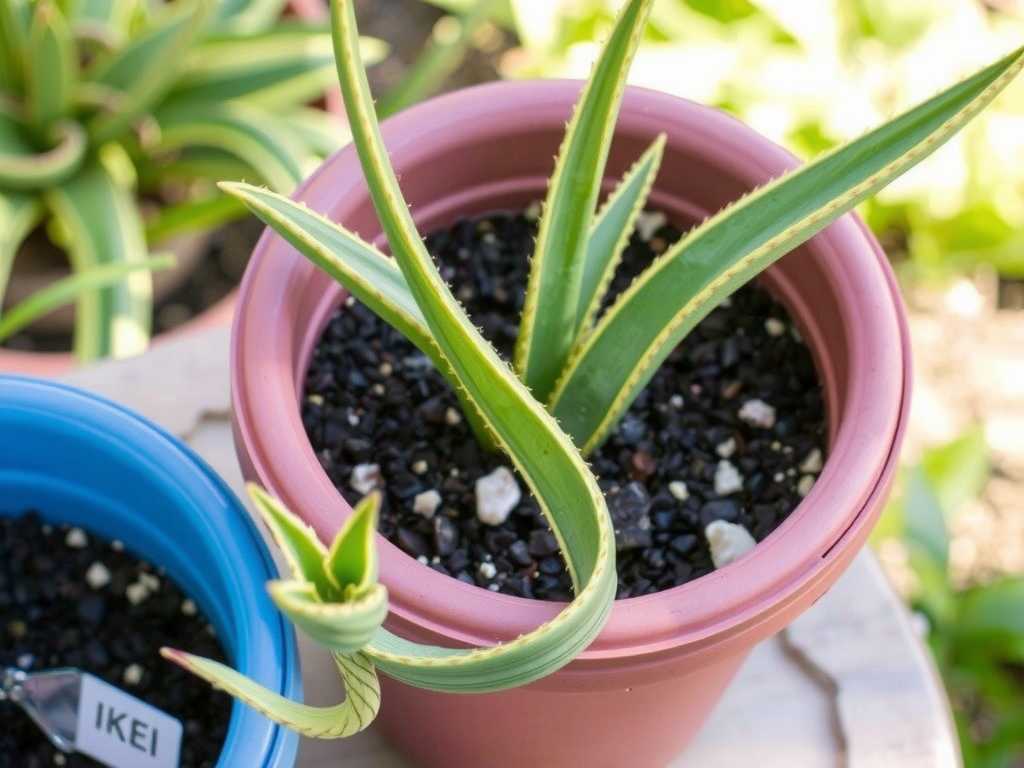
Soil and Container Considerations Use a well-draining, sandy succulent or cactus mix. Ensure your pot has excellent drainage holes. A terra-cotta pot is ideal as it breathes and helps soil dry evenly. This prevents root rot, which is a greater risk outdoors during rainy periods.
Vigilance Against Pests and Weather Extremes Occasionally inspect the leaves for pests like mealybugs or spider mites. A strong spray of water or insecticidal soap usually handles infestations. For unexpected weather—like a sudden hailstorm or heatwave—be prepared to temporarily move your plant to shelter. This protects the investment you made in the careful adaptation process.
How long does it truly take for a snake plant cutting to harden off outdoors? While the intensive acclimatization process takes 7-14 days, the plant’s full physiological adjustment to its new microclimate can continue for several weeks. The hardening-off period builds basic tolerance; the following month solidifies its adaptation. Patience in the beginning leads to a stronger plant in the long run.
Can I skip the hardening-off process if I place it in full shade? Even in full shade, the outdoor environment is vastly different. Temperature swings, wind, and humidity levels will still cause shock to an unprepared plant. While you may avoid sunburn, skipping acclimatization often leads to stalled growth or leaf damage from other stressors. A shortened, 5-7 day process focusing on non-light elements is still essential.
My cutting has a few scorched leaves after moving outside. What should I do? Don’t panic. This is a common setback. Move the plant immediately to a more shaded, protected location. Do not cut off the damaged leaves immediately, as they still contribute energy. Allow the plant to recover for at least a week. Once you see new, healthy growth emerging, you can trim away the badly damaged portions. Resume the acclimatization schedule more slowly, with even less direct sun exposure.
Successfully moving your snake plant cutting outdoors is a rewarding milestone. By respecting its need for a gradual transition, you build its natural resilience. The process of careful exposure to sunlight, wind, and temperature variations transforms a tender indoor propagation into a sturdy, outdoor-ready plant. With the right location and adjusted care routine, your snake plant will not just survive but flourish, adding robust, architectural beauty to your garden or patio space for years to come.
发表评论