 admin
admin How to Prevent and Control Aphid Infestations on Snake Plant Cuttings
Discovering a cluster of tiny, sap-sucking pests on your prized snake plant cuttings can be a disheartening experience. You’ve carefully selected a healthy leaf, made a clean cut, and patiently waited for roots to develop, only to find your propagation efforts threatened by a sudden aphid infestation. These small, soft-bodied insects can quickly multiply, weakening your cuttings, stunting growth, and potentially introducing diseases. This guide provides a comprehensive, step-by-step approach to prevent and control aphid infestations on snake plant cuttings, ensuring your new plants get the strongest, healthiest start possible.
Understanding why your cuttings are vulnerable is the first step to protection. The tender, new growth and the stress of propagation make cuttings a prime target for pests like aphids. They are attracted to the plant’s sap, which is rich in nutrients. Left unchecked, an infestation can cause yellowing leaves, distorted growth, and a sticky residue known as honeydew, which can lead to sooty mold.
Identifying Aphids on Your Cuttings
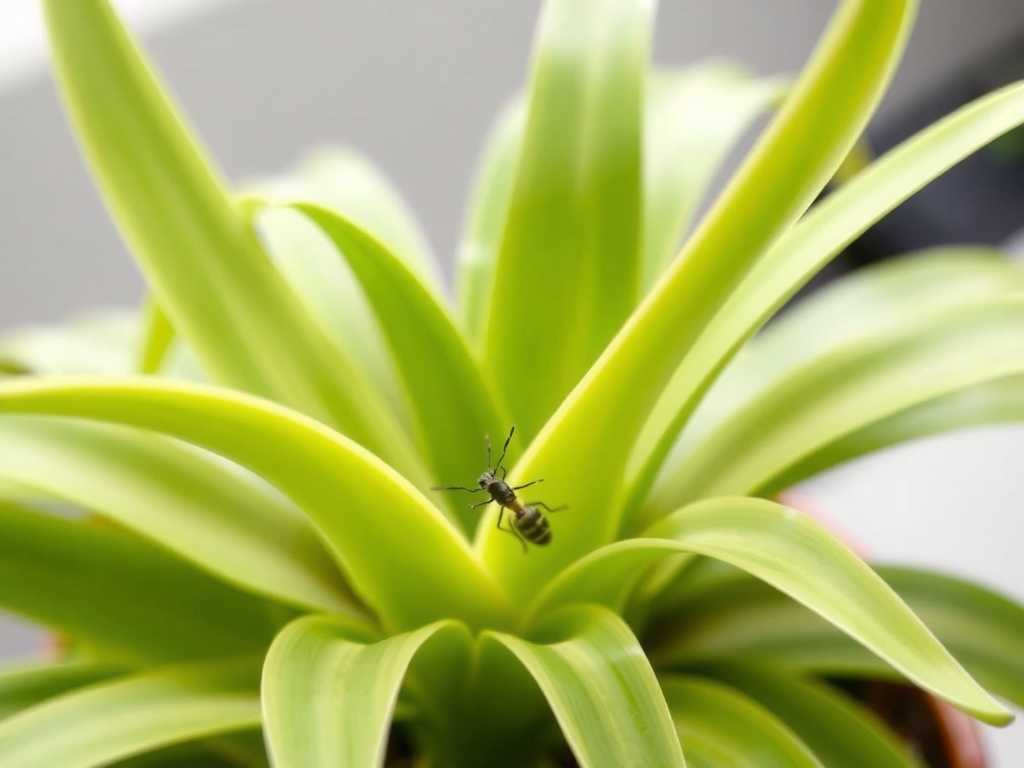
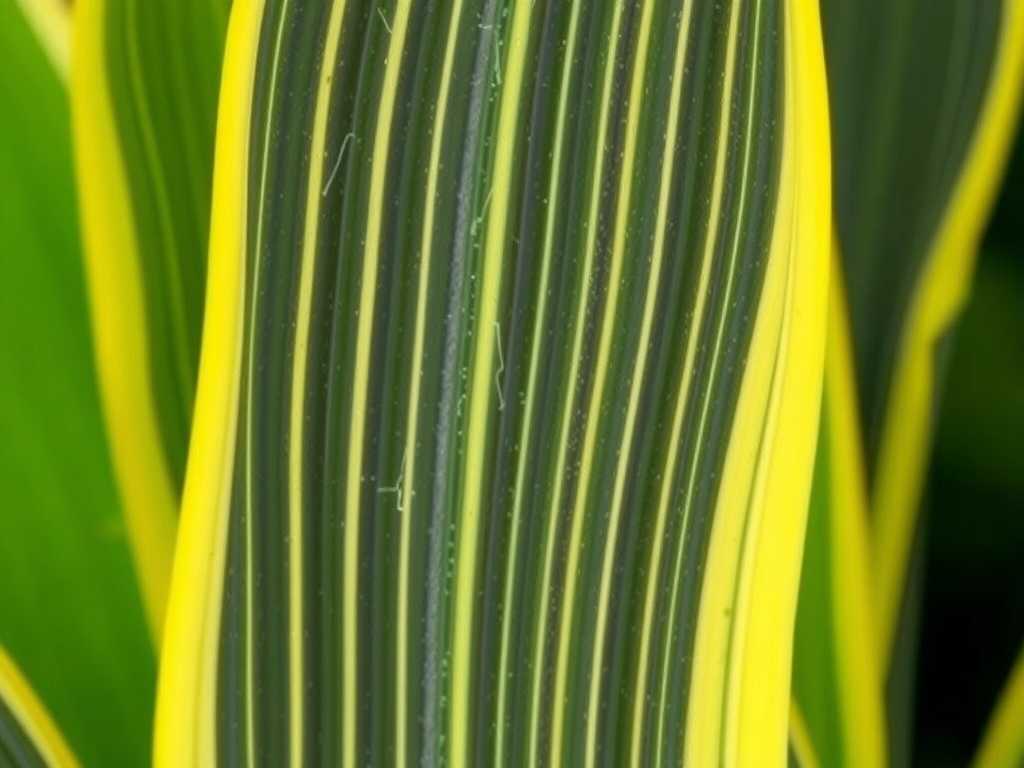
Before taking action, confirm the pest is indeed an aphid. On snake plant cuttings, you’ll typically find them clustered at the base of new shoots or on the underside of leaves. They are small, often pear-shaped, and come in various colors like green, black, brown, or yellow. Look for the telltale signs: a sticky honeydew residue, cast-off white skins, or ants farming the aphids for this sugary substance.
Prevention: The First and Best Line of Defense
An ounce of prevention is truly worth a pound of cure, especially in plant care. Integrating these proactive measures into your propagation routine drastically reduces the risk of an outbreak.
Start with Healthy, Pest-Free Mother Plants Always take cuttings from a vigorous, disease-free snake plant. Carefully inspect the mother plant, especially the crevices and undersides of leaves, for any signs of pests. As noted by horticulturist Dr. Linda Chalker-Scott, "The single most important factor in preventing pest issues in propagated plants is the initial health of the plant material." Quarantine new mother plants for at least two weeks before taking cuttings.
Implement Strict Sanitation and Quarantine Protocols Sterilize all your tools—pruners, knives, pots—with isopropyl alcohol or a bleach solution before each use. Use fresh, sterile potting mix specifically designed for succulents or cacti, never garden soil. Most importantly, isolate all new cuttings in a separate area from your established houseplant collection for the first 4-6 weeks. This quarantine period allows you to monitor for any hidden pests without risking your other plants.
Optimize Growing Conditions to Deter Pests Aphids are attracted to stressed plants and tender new growth. While you can’t stop new growth on a cutting, you can minimize stress.
- Light: Provide bright, indirect light. Weak, leggy growth from low light is more susceptible.
- Water: Overwatering is a major stressor for snake plants. Allow the soil to dry out completely between waterings. Soggy soil stresses the cutting and can attract other pests like fungus gnats.
- Nutrients: Avoid fertilizing snake plant cuttings until they are well-established with a robust root system. Excess fertilizer can promote soft, sappy growth that aphids love.
Control: Effective Strategies for an Active Infestation
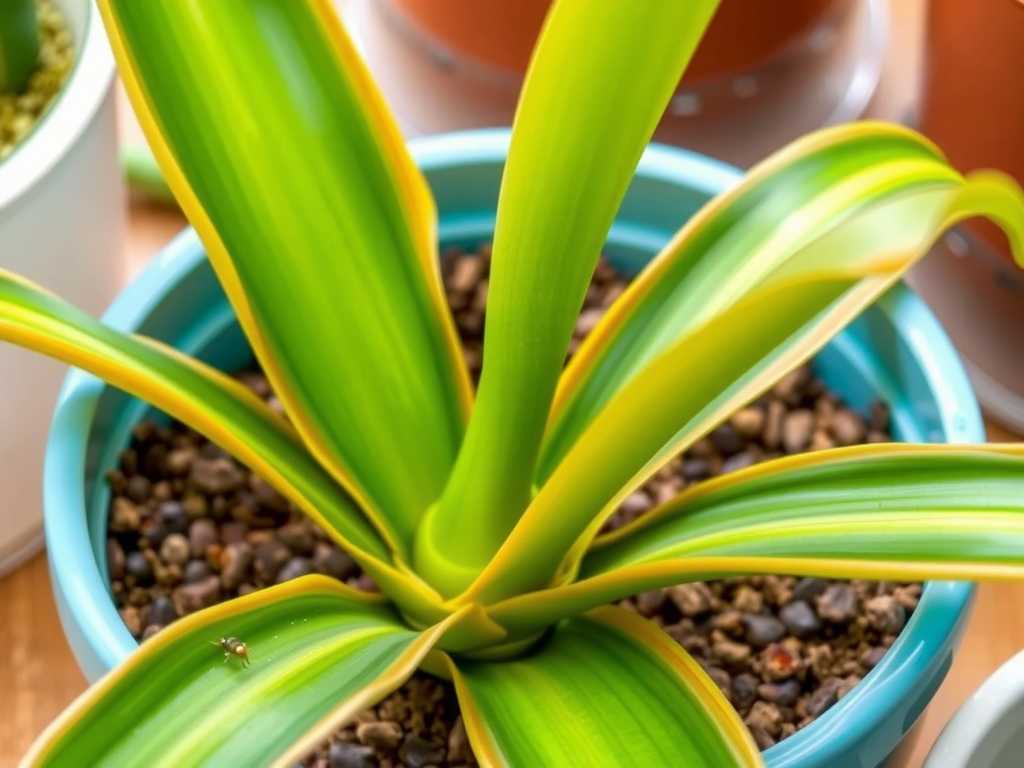
If you spot aphids, act immediately. Isolate the affected cutting to prevent spread. The control method you choose depends on the severity.
Immediate Physical Removal For a light infestation, this is often all that’s needed. Blast the cuttings with a strong jet of water to dislodge the aphids. Wipe remaining pests off with a soft cloth or cotton swab dipped in rubbing alcohol. Test the alcohol on a small area first to ensure it doesn’t damage the leaf.
Utilizing Natural and Organic Solutions These methods are effective for moderate infestations and are safe for indoor use.
- Insecticidal Soap: A commercially prepared insecticidal soap or a homemade mix (1 teaspoon of mild liquid soap per liter of water) can be very effective. Spray thoroughly, covering all surfaces, especially under leaves. Repeat every 5-7 days for two weeks to break the life cycle.
- Neem Oil: This natural oil acts as both a repellent and an insecticide. Mix according to label instructions and spray in the evening to prevent potential leaf burn from sunlight. Neem oil disrupts the aphids' hormonal systems, stopping them from feeding and reproducing.
- Beneficial Insects: For a greenhouse or enclosed porch, introducing predators like ladybugs or lacewings can provide excellent biological control.
When to Consider Targeted Chemical Treatments Reserve systemic insecticides for severe, persistent infestations where other methods have failed. Look for products containing imidacloprid or acetamiprid, applied as a soil drench. The cutting takes up the insecticide, making its sap toxic to sucking pests. Always use these products strictly according to the label and only in well-ventilated areas.
Monitoring and Post-Treatment Care
After treatment, continue monitoring the cutting weekly for any signs of returning aphids. Maintain optimal, stress-free growing conditions to help the cutting recover and build resilience. Once the cutting has developed strong roots and shows consistent new growth, you can gradually acclimate it to its permanent location among your other plants.
Can aphids kill my snake plant cutting? While a severe, untreated infestation can certainly kill a young cutting by draining its vital sap and stunting root development, snake plants are generally resilient. Early intervention is key. Most cuttings will recover fully with prompt and appropriate treatment.
Why do my snake plant cuttings keep getting aphids? Recurring infestations often point to an ongoing source. Inspect all nearby houseplants thoroughly, as aphids may be migrating from another host. Re-evaluate your growing conditions—overwatering, over-fertilizing, or low light can create chronically stressed plants that attract pests. Ensure you are not inadvertently bringing them in on new plants or through open windows.
Is it safe to use dish soap to make my own insecticidal spray? You must exercise caution. Standard dish soaps can contain degreasers and additives that are phytotoxic (harmful to plants). They can strip the protective cuticle from your snake plant's leaves. It is safer to use a pure castile soap or a commercially formulated insecticidal soap, which is specifically designed to be effective against pests while minimizing plant damage.
Successfully propagating snake plants is incredibly rewarding, and a proactive approach to pest management ensures your efforts are not undone. By starting with clean materials, maintaining a strict quarantine for new cuttings, and providing optimal, low-stress conditions, you create an environment where your cuttings can thrive and aphids cannot. Vigilance through regular inspection allows for early detection, making any necessary control measures simple and effective. With these integrated strategies, you can confidently grow robust, pest-free snake plants from cuttings for years to come.
发表评论