 admin
admin How to Solve White Spots on Snake Plant Leaves: A Step-by-Step Guide
Discovering white spots on your snake plant's leaves can be alarming. These resilient plants, known for their hardiness, suddenly show signs of distress, leaving you wondering what went wrong. Don't worry. This comprehensive guide will walk you through identifying the exact cause and providing the right cure to restore your plant's health.
Understanding the problem is the first step to a solution. Let's begin by accurately diagnosing the issue.
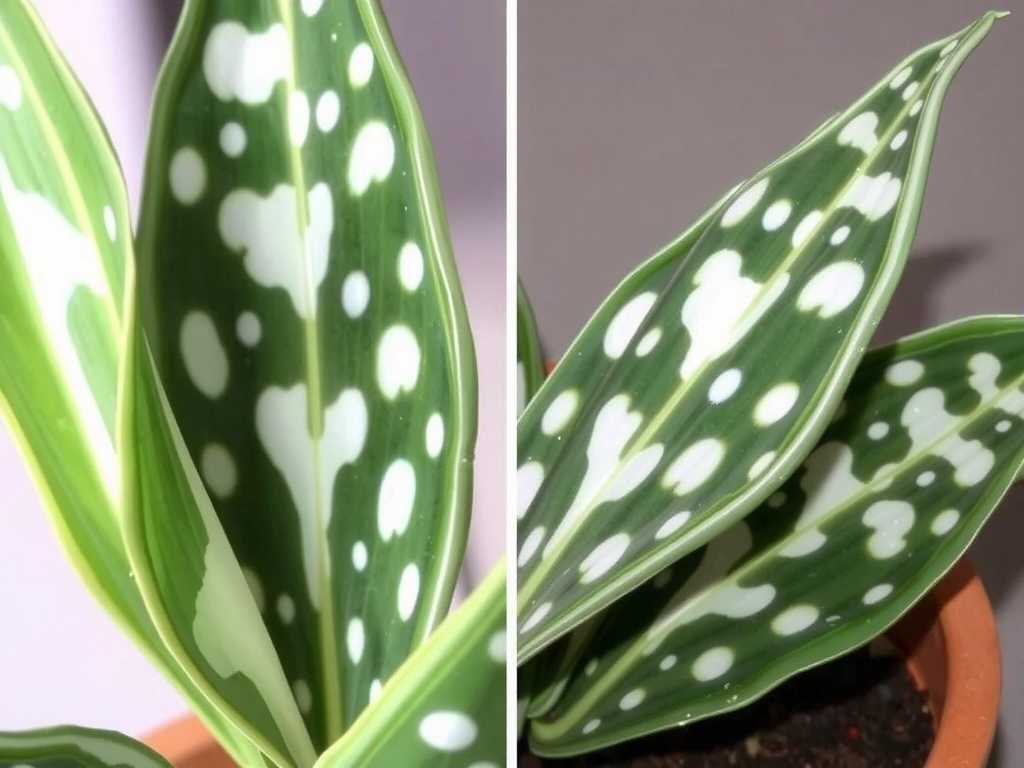
Diagnosing the White Spots on Your Snake Plant
Not all white spots are created equal. Close observation is key to identifying the true culprit. Here are the most common causes.
Mealybugs: The Cottony Culprits
If the white spots look like tiny, fluffy cotton balls or patches, you're likely dealing with mealybugs. These sap-sucking pests cluster along leaf veins, on new growth, or at the base of the plant. They weaken the plant by feeding on its juices, leading to yellowing and stunted growth.
Powdery Mildew: The Fungal Film
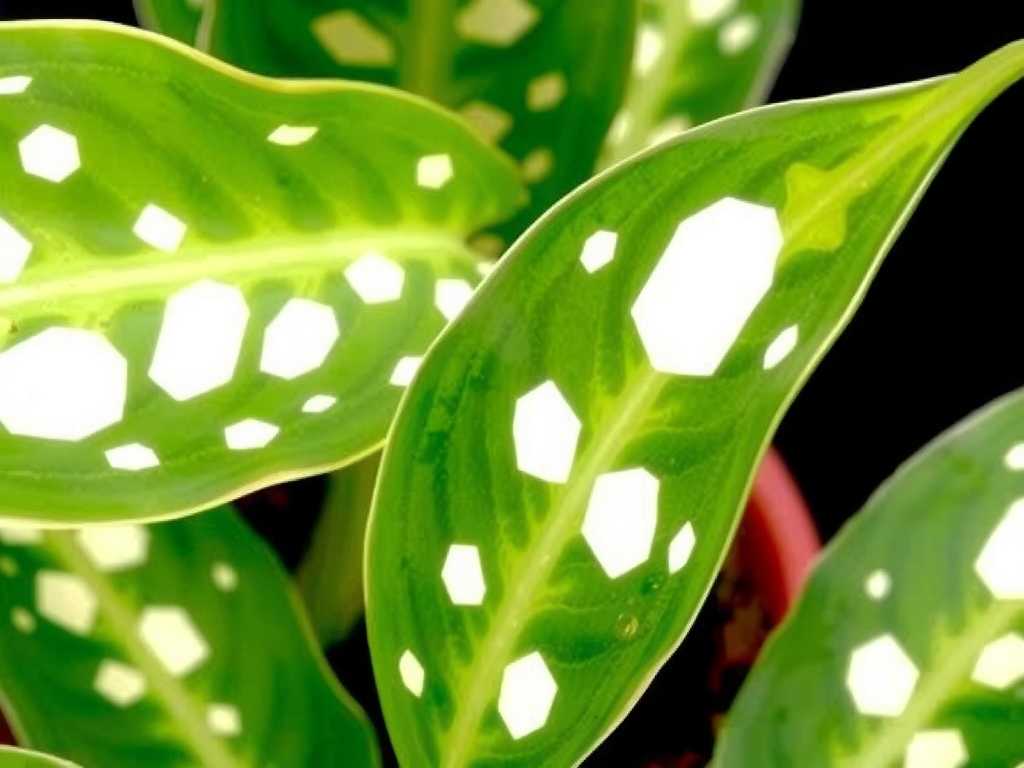
This appears as a white, powdery or chalky coating that seems dusted onto the leaves. Unlike distinct spots, it often forms irregular patches. It's a fungal disease that thrives in conditions with poor air circulation and high humidity.
Mineral Deposits from Hard Water
If you water with tap water high in minerals like calcium and magnesium, you might see crusty, white or off-white spots or streaks on the leaves. These are harmless mineral deposits left behind after water evaporates. They are often more pronounced near the soil line or where water droplets sit.
Sunburn or Physical Damage
White, dry, crispy patches or bleached areas on the leaves, especially those facing a bright window, often indicate sunburn. Similarly, physical damage from bumps or scrapes can leave behind pale, scarred marks.
Once you've identified the cause, follow these targeted, step-by-step solutions.
Step-by-Step Solutions for Each Cause
Solution for Mealybug Infestation
Isolate the infected plant immediately to prevent the pests from spreading.
Prepare a solution of 70% isopropyl alcohol and water (1:1 ratio). Dab a cotton swab directly onto each mealybug cluster. The alcohol dissolves their protective waxy coating, killing them on contact.
For larger infestations, mix a few drops of mild liquid dish soap (like Castile soap) with a liter of water in a spray bottle. Thoroughly spray the entire plant, focusing on the undersides of leaves and crevices. Wipe the leaves gently with a soft cloth afterward.
Repeat the treatment every 4-7 days for at least two to three weeks to eliminate newly hatching nymphs.
As a final step, consider repotting the plant with fresh, sterile soil to remove any pests hiding in the root zone.
Solution for Powdery Mildew
Improve air circulation around your plant. Use a small fan or move it to a breezier location. Avoid misting the leaves.
For treatment, mix one tablespoon of baking soda and half a teaspoon of liquid soap in a gallon of water. Spray the solution generously on all affected areas once a week until the fungus disappears.
For severe cases, a fungicide containing potassium bicarbonate or neem oil can be highly effective. Always follow the product label instructions.
Removing Mineral Deposits
Wipe the leaves gently with a soft cloth dampened with a solution of equal parts distilled water and white vinegar. The mild acidity helps dissolve the crusty deposits. Follow by wiping with a cloth dipped in plain distilled water to rinse.
The best prevention is to water your snake plant with distilled water, rainwater, or filtered tap water.
Addressing Sunburn and Damage
Relocate the plant to a spot with bright, indirect light. Snake plants tolerate low light but can scorch in direct, hot afternoon sun.
Trim away severely damaged, crispy leaf sections with clean, sharp scissors. Make a straight cut to mimic the leaf's natural shape. The plant cannot heal the burned tissue, but removing it improves appearance and prevents potential decay points.
Preventive Care: Keeping Your Snake Plant Spot-Free
Consistent care is your best defense against future problems. Adopt these practices to maintain a healthy, resilient snake plant.
Water only when the soil is completely dry, at least 2 inches deep. Overwatering is the root of many issues, including pest attraction and fungal growth.
Ensure your plant receives bright, indirect light. An east-facing window is often ideal.
Use a well-draining succulent or cactus potting mix. Ensure the pot has adequate drainage holes.
During the growing season (spring and summer), feed with a balanced, diluted liquid fertilizer once a month. Avoid over-fertilizing, as salt buildup can also cause leaf issues.
Regularly inspect the leaves, both topside and underside, during your watering routine. Early detection makes any problem easier to solve.
Common Questions About White Spots on Snake Plants
Are the white spots on my snake plant harmful to me or my pets?
The white spots themselves from pests, fungus, or minerals are not directly harmful to humans. However, snake plants are considered mildly toxic if ingested by pets or children, causing nausea or vomiting. Keep treated plants out of reach, especially when using insecticides or fungicides, even organic ones.
Can I use neem oil for all types of white spots?
Neem oil is a versatile, natural option effective against both pests (like mealybugs) and fungal diseases (like powdery mildew). It acts as both an insecticide and fungicide. However, it is not effective for removing mineral deposits or healing sunburn. Always test it on a small leaf section first and apply in the evening to prevent potential leaf burn in sunlight.
My plant is treated and healthy, but the old white marks remain. What should I do?
The original white spots, especially from scars, sunburn, or heavy mineral deposits, may be permanent. The plant has healed the underlying issue, but the leaf tissue is damaged. You can leave them as a record of the plant's history, or if they are unsightly, carefully trim the affected leaves at the soil line. The plant will redirect energy to producing new, healthy growth.
By correctly diagnosing the cause of white spots and applying the appropriate remedy, your snake plant can make a full recovery. Remember, these plants are survivors. With a little attentive care and the steps outlined here, you can restore its striking, spot-free appearance and enjoy its robust beauty for years to come. The key is observation, timely action, and adjusting your care routine to prevent future issues.

发表评论