 admin
admin How to Solve Shriveled Leaves After Snake Plant Cuttings: Easy Fixes
You’ve carefully taken cuttings from your beloved snake plant, expecting new growth, but instead, you’re faced with a worrying sight: shriveled, wrinkled, or curling leaves. This common frustration can make any plant parent feel like they’ve failed. Don’t worry—this is a normal part of the propagation process, and it’s almost always fixable. Understanding how to solve shriveled leaves after snake plant cuttings is the key to turning those sad-looking cuttings into thriving, independent plants.
The primary cause of leaf shriveling is water stress. A cutting, having lost its root system, struggles to absorb moisture effectively. The plant responds by conserving water, leading to those telltale wrinkles. Our guide will walk you through the simple, effective steps to diagnose and correct this issue, ensuring your propagation efforts are a success.
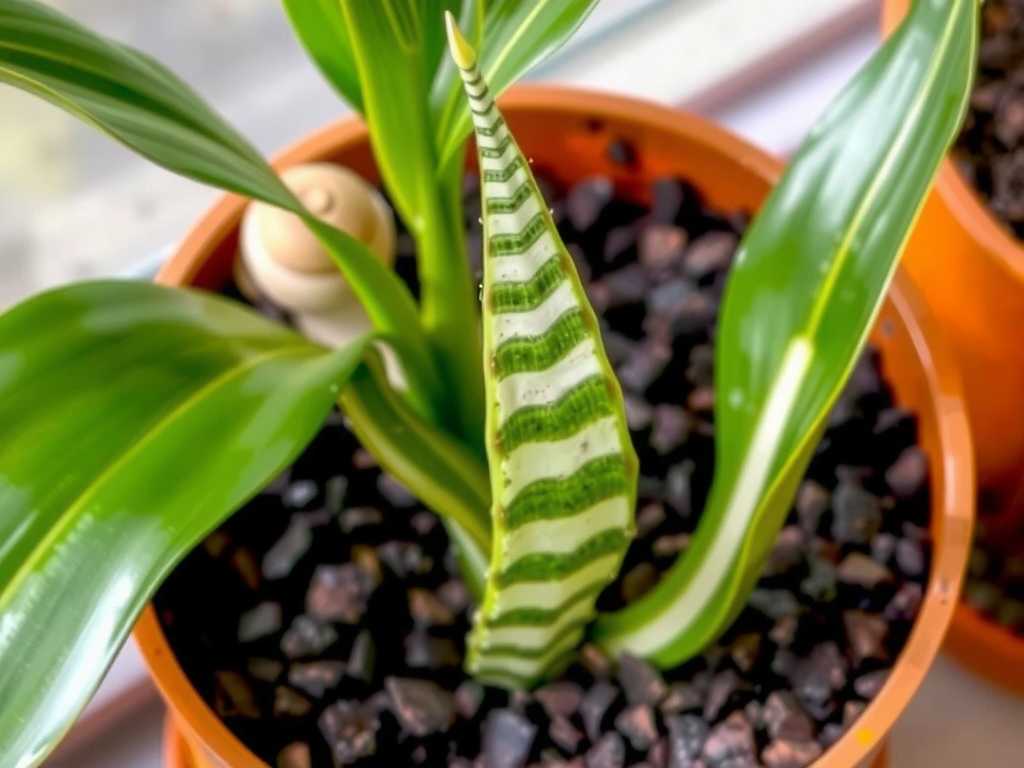
Understanding Why Your Snake Plant Cuttings Are Shriveling
Before jumping into solutions, it’s helpful to know the science behind the problem. A snake plant leaf cutting is essentially a severed piece of tissue. It no longer has roots to take up water from the soil, but it continues to lose moisture through its leaves via transpiration. This creates a deficit.
The plant’s first response is to close its stomata (tiny pores) to reduce water loss, which is a good short-term strategy. However, if the water stored in its thick, fleshy leaves is used up faster than it can be replenished—or if the environment pulls out too much moisture—the leaves will start to shrivel. It’s a clear distress signal.
The Two Main Propagation Methods and Their Risks
Your approach to fixing shriveled leaves depends largely on how you started your cuttings. There are two primary methods, each with its own common pitfalls.
Water Propagation This popular method involves placing the cut end of the leaf in a jar of water. While it’s exciting to watch roots form, it’s not without risks. The cut end can become soft and mushy if the water isn’t changed regularly, leading to bacterial rot that travels up the leaf. Furthermore, roots grown in water are different from soil roots. When finally potted, the plant must grow an entirely new set of roots, which can prolong the water-stress period and cause shriveling after transplant.
Soil Propagation Planting the cutting directly into a well-draining mix mimics a more natural transition. The challenge here is balance. The soil must stay slightly moist to encourage root growth but never soggy, as this will cause the cutting to rot from the base up. Under-watering in this critical phase is a direct path to shriveled leaves, as the cutting has no way to access the scant moisture in the soil.
Step-by-Step Fixes for Shriveled Snake Plant Cuttings
Now, let’s address the core issue: reviving shriveled snake plant cuttings. Follow these actionable steps to nurse your cuttings back to health.
1. Assess and Diagnose the Root Cause First, gently examine your cutting. Is the shriveling firm or soft? Is the base discolored?
- Soft, Mushy Base with Shriveled Leaves: This indicates rot, often from overwatering or contaminated water (in water propagation). The fix is surgical.
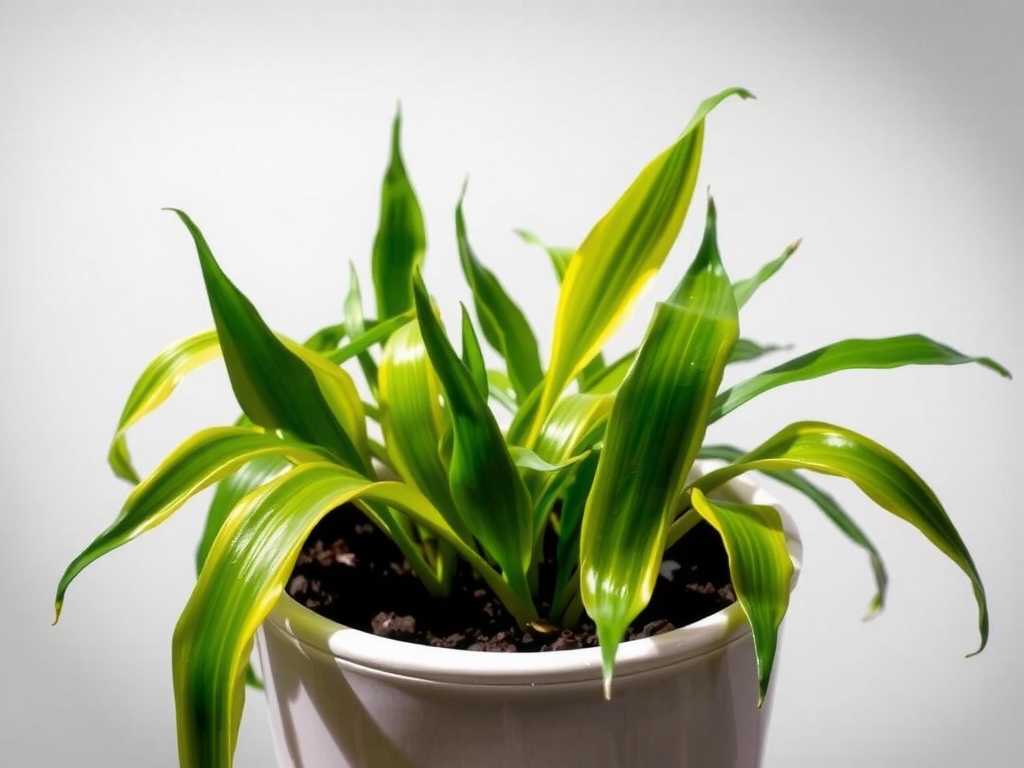
- Firm but Wrinkled Leaves, Dry Base: This is classic underwatering or environmental stress. The cutting is dehydrated and needs a controlled rehydration strategy.
2. The Immediate Rescue Protocol For Rot (Mushy Base):
- Remove the cutting from water or soil.
- Using a sterile, sharp knife, cut away all soft, brown, or blackened tissue. Cut until you see only healthy, firm, green or white tissue.
- Let the cutting callous over. Place it in a dry, shaded spot for 2-3 days. This allows the wound to seal, preventing new rot when you replant.
- After callousing, restart propagation in fresh water or a new, dry, well-draining cactus/succulent mix. Do not water a soil-propagated cutting for the first week.
For Dehydration (Firm but Wrinkled):
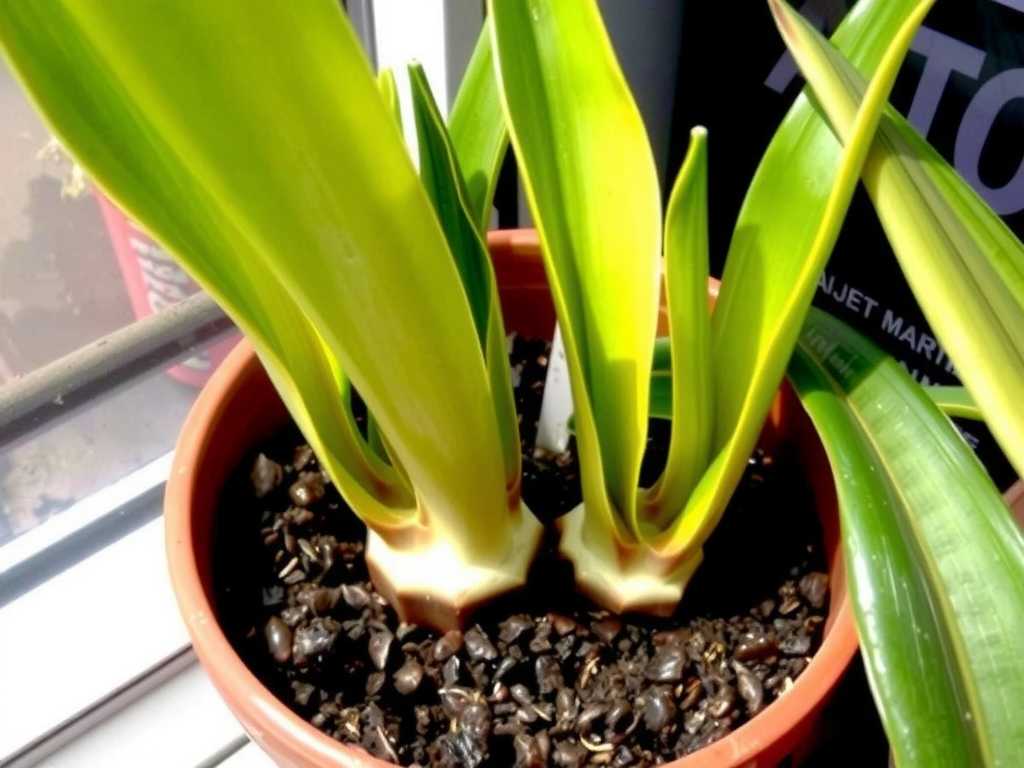
- If in Water: Ensure only the very bottom inch is submerged. Top up with fresh, room-temperature water. Place the jar in bright, indirect light, away from drafts or heating vents.
- If in Soil: Perform the “soil moisture test.” Stick your finger an inch into the soil. If it’s bone dry, it’s time for a thorough but careful watering. Water the soil evenly until it runs out of the drainage holes, then allow it to drain completely. Do not let the pot sit in a saucer of water.
3. Optimize the Environment for Recovery Creating the right microclimate is crucial for treating wrinkled snake plant cuttings. Snake plants are tough, but cuttings are vulnerable.
- Light: Provide bright, indirect light. Direct sun will scorch and further dehydrate the cutting. A north or east-facing window is ideal.
- Temperature & Humidity: Maintain steady room temperatures (65-80°F or 18-27°C). Avoid cold drafts and hot air vents. While snake plants don’t need high humidity, extremely dry air (common in winter) can worsen shriveling. A light misting around—not directly on—the cutting can help, or place it near other plants.
- Patience is Key: Root development can take 4-8 weeks. During this time, the parent leaf may continue to look a bit rough or even die back slightly as it fuels new growth. Focus on the base for signs of new roots or pups (baby plants).
Best Practices to Prevent Shriveled Leaves from the Start
An ounce of prevention is worth a pound of cure. Follow these easy fixes for snake plant propagation problems to set your cuttings up for success from day one.
1. The Perfect Cut and Preparation Always use a clean, sharp tool. A ragged cut invites disease. Allow the cut end to callous over for at least 48 hours before placing it in water or soil. This single step dramatically reduces the risk of rot.
2. The Ideal Soil and Water Setup
- For Soil: Use a sterile, fast-draining mix. A cactus/succulent blend is perfect. The pot must have a drainage hole.
- For Water: Use a clear glass to monitor root growth and water clarity. Change the water every 5-7 days to keep it oxygenated and free of bacteria.
3. The Watering Wisdom for Cuttings This is the most critical skill. Your goal is to encourage root searching.
- In soil, water deeply only when the top inch is completely dry, then let it dry out again. This cycle promotes strong root growth.
- As horticulturist Jane Smith notes in The Modern Propagator, “Cuttings need moisture to root, but their need for oxygen at the base is even greater. A well-aerated, slightly dry medium often outperforms a constantly wet one.”
Frequently Asked Questions
My cutting has roots but the leaf is still shriveled. What now? This is common. The new root system is likely still too small to support the full leaf’s water needs. Ensure the soil is consistently lightly moist (not wet) and that the plant is in bright, indirect light. As the roots establish and grow over the next few weeks, the leaf should gradually plump up. If it’s a water-propagated cutting, transplant it into soil now so the roots can adapt and expand properly.
Can I propagate a shriveled leaf cutting, or should I start over? You can absolutely propagate it, as long as there is still some firm, healthy green tissue. Follow the rescue protocol for dehydration or rot. Even a section of a healthy leaf can be cut and propagated. The snake plant’s resilience is remarkable.
How long does it take for a shriveled cutting to recover? Recovery is not instantaneous. After correcting the issue (proper watering, treating rot), you may see the leaf begin to firm up within 1-2 weeks. However, full recovery and noticeable new growth (like a pup emerging) can take 1-2 months. Consistency in care is your greatest ally during this waiting period.
Seeing shriveled leaves on your snake plant cuttings is a temporary setback, not a failure. By responding quickly to diagnose the issue—whether it’s rot from excess moisture or dehydration from lack of it—you can guide your cuttings back to health. Remember the golden rules: a clean cut, a patient callous period, perfect drainage, and watering that encourages roots to grow. With these easy fixes for snake plant propagation problems in your toolkit, you can propagate with confidence, turning a single leaf into a collection of robust, new plants.
发表评论