 admin
admin How to Treat Thin Leaves in Indoor Snake Plants: A Complete Guide
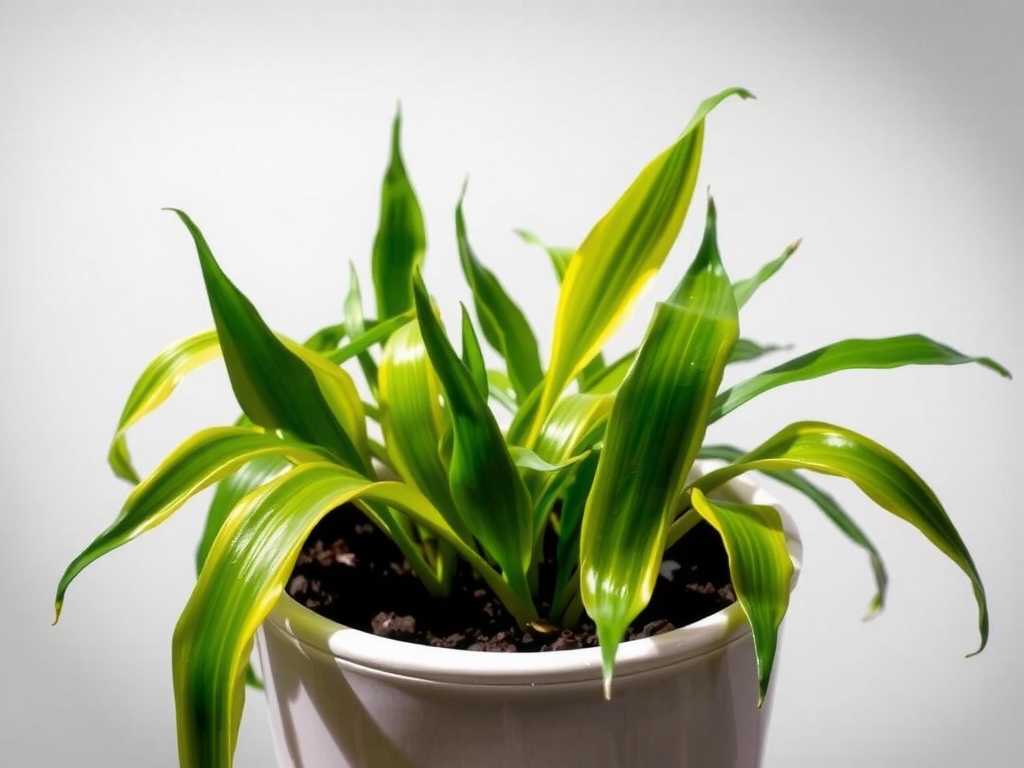
Is your once-sturdy snake plant starting to look a little… wimpy? Those iconic, sword-like leaves that are supposed to stand tall and proud are now thin, floppy, or curling inward. It’s a disheartening sight for any plant parent. Don’t worry, you’re not alone. How to treat thin leaves in indoor snake plants is a common concern, and the good news is that it’s almost always fixable. Thin leaves are your plant’s SOS signal, telling you that one or more of its basic needs aren’t being met. This guide will help you decode that signal and take the right steps to restore your snake plant to its former sculptural glory.
Understanding why your snake plant has thin leaves is the first and most crucial step toward a cure. The issue is rarely random; it’s a direct response to its environment.
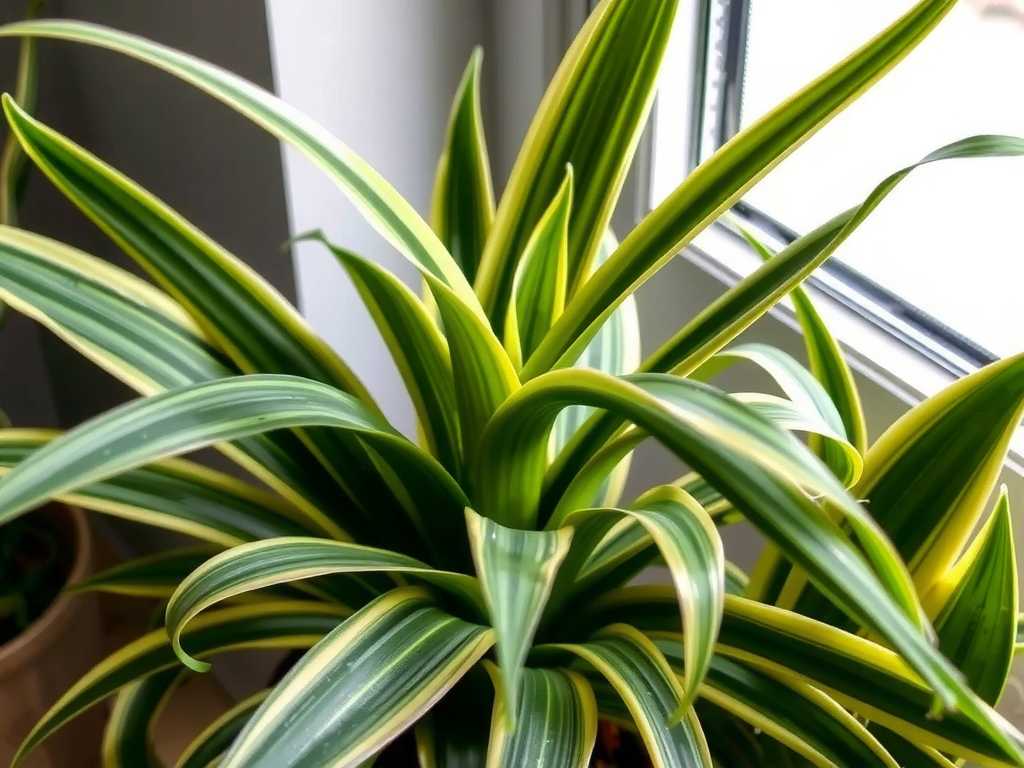
Diagnosing the Cause of Thin Leaves
Before you try any treatment, play plant detective. Look closely at your plant’s conditions and the specific symptoms. Here are the primary culprits.
Insufficient Light: The Most Common Culprit
Snake plants are famous for tolerating low light, but they don’t thrive in it. "Tolerate" is not the same as "prefer." In deep shade, they enter survival mode.
- The Science: Light is the energy source for photosynthesis. With insufficient light, the plant cannot produce enough structural carbohydrates (like cellulose) to build thick, rigid cell walls in new leaves.
- The Symptom: New leaves grow in noticeably thinner, weaker, and often taller as the plant stretches toward any light source (a condition called etiolation). The leaves may also lose some variegation and become a uniformly darker green.
- The Fix: Move your plant to a spot with bright, indirect light. An east-facing window is ideal, or a few feet back from a south or west-facing window. Avoid harsh, direct afternoon sun which can scorch leaves.
Improper Watering: A Delicate Balance
Both overwatering and underwatering can lead to thin, unhealthy leaves, but through different mechanisms.
- Overwatering & Root Rot: This is the most dangerous cause. Soggy soil suffocates roots, causing them to rot and die. A rotten root system cannot absorb water or nutrients, so the plant dehydrates and starves from the bottom up. Leaves become thin, mushy, and yellow at the base before collapsing.
- Underwatering: While snake plants are drought-tolerant, extreme neglect forces the plant to consume its own internal water reserves to survive. Leaves lose their plumpness, becoming thin, wrinkled, and may curl inward or develop dry, brown tips.
- The Fix: Always use the "soak and dry" method. Water thoroughly only when the soil is completely dry all the way to the bottom of the pot. Ensure your pot has drainage holes and you’re using a well-draining, sandy potting mix.
Lack of Nutrients: Running on Empty
Snake plants aren’t heavy feeders, but they aren’t zero-feeders either. A plant living in the same soil for years will eventually deplete its nutrient reserves.
- The Science: Key nutrients like nitrogen (for leaf growth) and potassium (for overall vigor and water regulation) are essential. Without them, new growth is stunted and weak.
- The Symptom: General, slow decline. The entire plant may look less robust, with new leaves being smaller and thinner than previous ones. Growth may have stalled completely.
- The Fix: Feed your snake plant sparingly during its active growing season (spring and summer). A balanced, diluted liquid houseplant fertilizer (e.g., 10-10-10) applied once every 4-6 weeks is sufficient. As noted by horticulturist Jane Smith in The Indoor Plant Journal, "Infrequent, weak feeding aligns perfectly with the snake plant's slow-growth strategy and prevents fertilizer salt buildup."
Pot-Bound Roots: Cramped for Space
While snake plants don’t mind being slightly root-bound, there’s a limit. An extremely congested root system has no room to grow and can’t effectively gather water or nutrients.
- The Symptom: The plant stops putting out new growth, or new leaves are spindly. You might see roots circling the surface of the soil or growing out of the drainage holes. The plant may also dry out extremely quickly after watering.
- The Fix: It’s time to repot. Choose a new pot only 1-2 inches larger in diameter than the old one. Gently loosen the root ball during repotting to encourage roots to grow outward into the new soil.
Your Step-by-Step Treatment Plan
Now that you’ve diagnosed the likely cause, follow this actionable plan to nurse your plant back to health.
Step 1: Immediate Assessment and Adjustment First, check the soil moisture with your finger. Is it sopping wet or bone dry? Next, evaluate the light. Then, gently inspect the base of the plant and the roots if possible. Immediately correct the environmental factor you suspect:
- If overwatered: Stop watering immediately. Move the plant to a brighter, warmer spot to help soil dry. For severe cases, you must unpot the plant to check for root rot.
- If underwatered: Give it a thorough, deep watering, allowing excess water to drain away completely.
- If light-starved: Gradually acclimate it to a brighter location over a week to avoid shock.
Step 2: Addressing Root Rot (If Present) If the plant is unstable or leaves are collapsing from the base, root rot is likely.
- Remove the plant from its pot and gently wash the roots.
- Using sterile scissors, cut away all soft, brown, mushy, or smelly roots. Healthy roots are firm and white or orange.
- Let the plant and its remaining healthy roots air dry for a day.
- Repot in fresh, well-draining cactus or succulent mix, in a pot with a drainage hole. Do not water for about a week to allow roots to heal.
Step 3: Long-Term Corrective Care
- Establish a Watering Routine: Ditch the calendar. Water only when the soil is 100% dry. In winter, this could mean watering only once a month or less.
- Optimize Light: Maintain consistent bright, indirect light. Rotate the pot a quarter turn every time you water to ensure even growth.
- Provide Gentle Nutrition: Begin a light feeding schedule in the growing season. Remember, less is more.
- Consider Repotting: If the plant is severely pot-bound, schedule a repotting for the early growing season (spring).
How to Prevent Thin Leaves in the Future
Prevention is always easier than cure. Make these practices part of your regular snake plant care to avoid thin leaves down the line.
- Right Plant, Right Place: Choose a bright spot from the start. A snake plant in adequate light is fundamentally healthier and more resilient.
- Master the "Soak and Dry" Method: This is the single most important skill for snake plant success. It prevents both over and underwatering.
- Use Terracotta Pots: Unglazed terracotta pots are porous, allowing soil to dry out more evenly and reducing the risk of overwatering.
- Refresh Soil Periodically: Every 2-3 years, even if not repotting, scrape off the top few inches of old soil and replace it with fresh potting mix to replenish nutrients.
Why are my snake plant leaves thin and curling? Thin, curling leaves are most often a classic sign of underwatering. The plant is using up the moisture stored in its leaves, causing them to shrivel and curl inward to reduce surface area and conserve water. Give it a deep drink and adjust your watering schedule.
Can I cut off the thin leaves? Yes, you can. If a leaf is severely thin, damaged, or drooping, you can prune it at the soil line using clean, sharp shears. This allows the plant to redirect its energy into producing new, healthy growth. However, focus on fixing the underlying problem first; pruning alone won't stop new thin leaves from appearing.
How long does it take for a snake plant to recover? Patience is key. Snake plants are slow growers. After correcting the care issue, you may see improvement in the firmness of existing leaves within a few weeks. However, waiting for a new, thick leaf to grow and fully unfurl can take several months. Consistency in your corrected care routine is essential during this recovery period.
Seeing thin leaves on your resilient snake plant can be alarming, but it’s a solvable problem. By carefully diagnosing the cause—whether it’s a plea for more light, a correction in watering, a need for nutrients, or more room to grow—you can take precise action. Remember, the goal is to mimic the plant's natural, arid environment: plenty of bright light, infrequent but deep watering, and minimal but thoughtful feeding. With these adjustments, your snake plant will stop sending distress signals and will soon reward you with the robust, architectural beauty it’s known for.
发表评论